
Vintage Typewriters, Accessories & Small Gifts for Writers
Alle anzeigen-
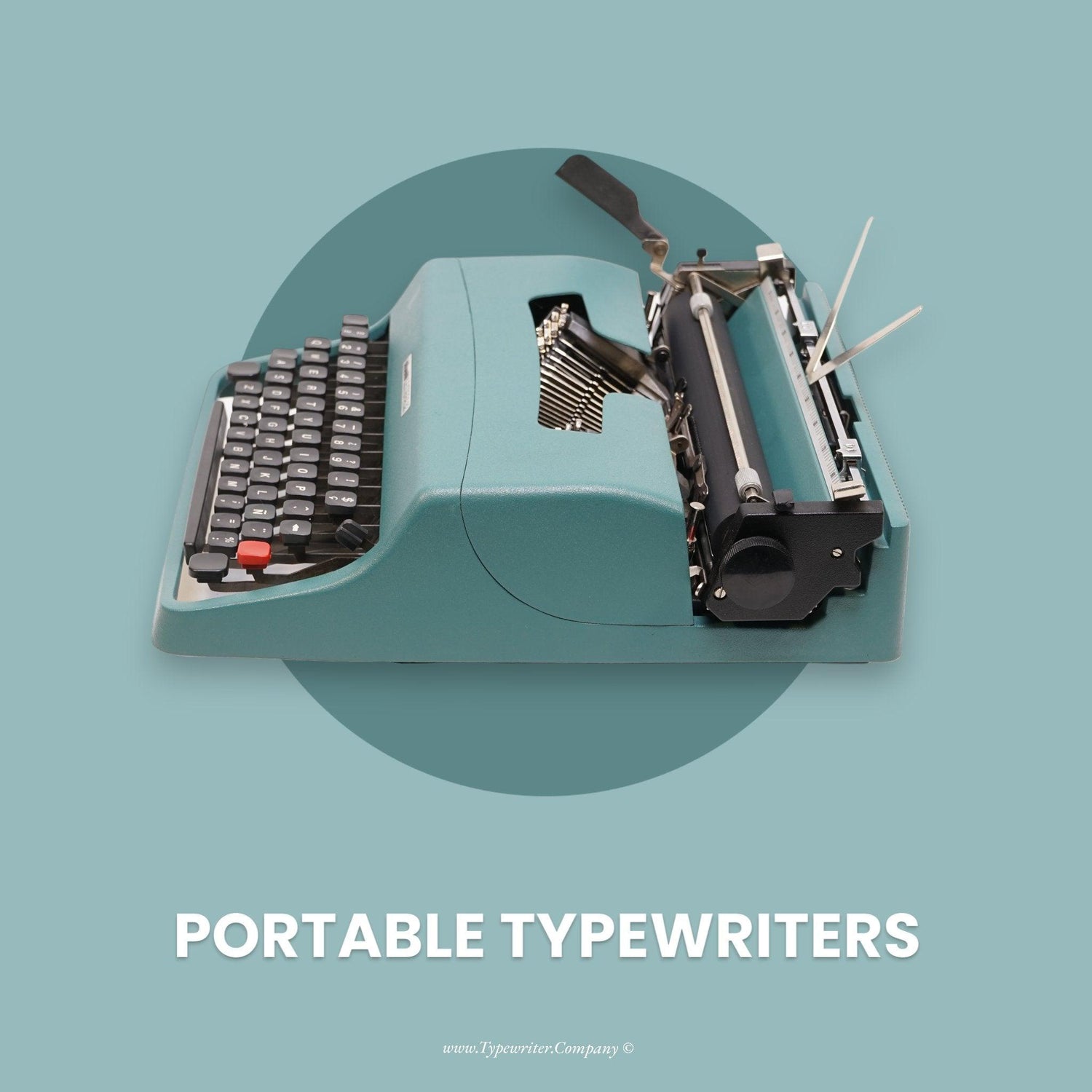
PORTABLE TYPEWRITERS
Portable Typewriters Explore our collection of vintage portable typewriters, each meticulously restored...
-
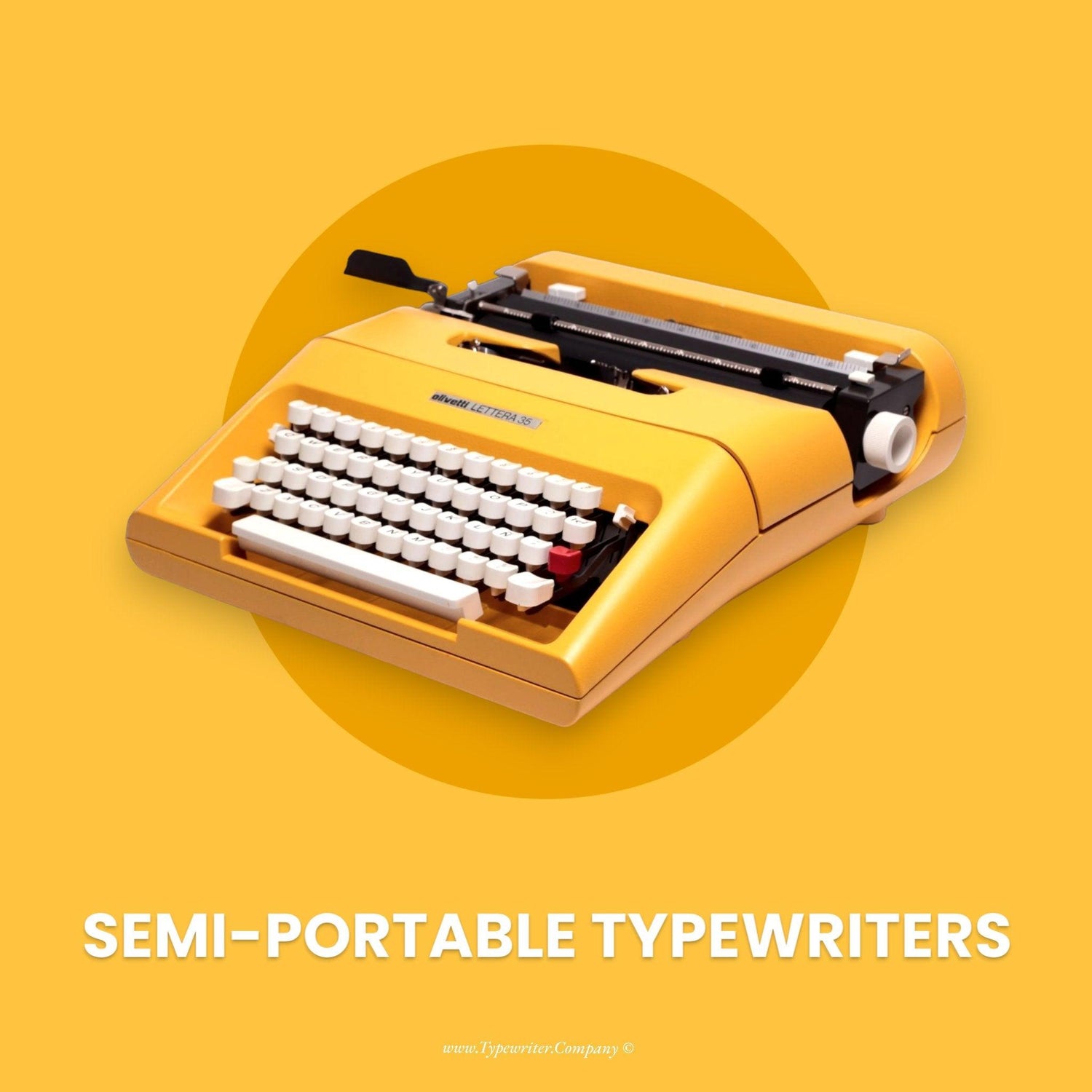
SEMI-PORTABLE TYPEWRITERS
Semi-Portable Typewriters Semi-portable typewriters blend the portability of compact models with the...
-
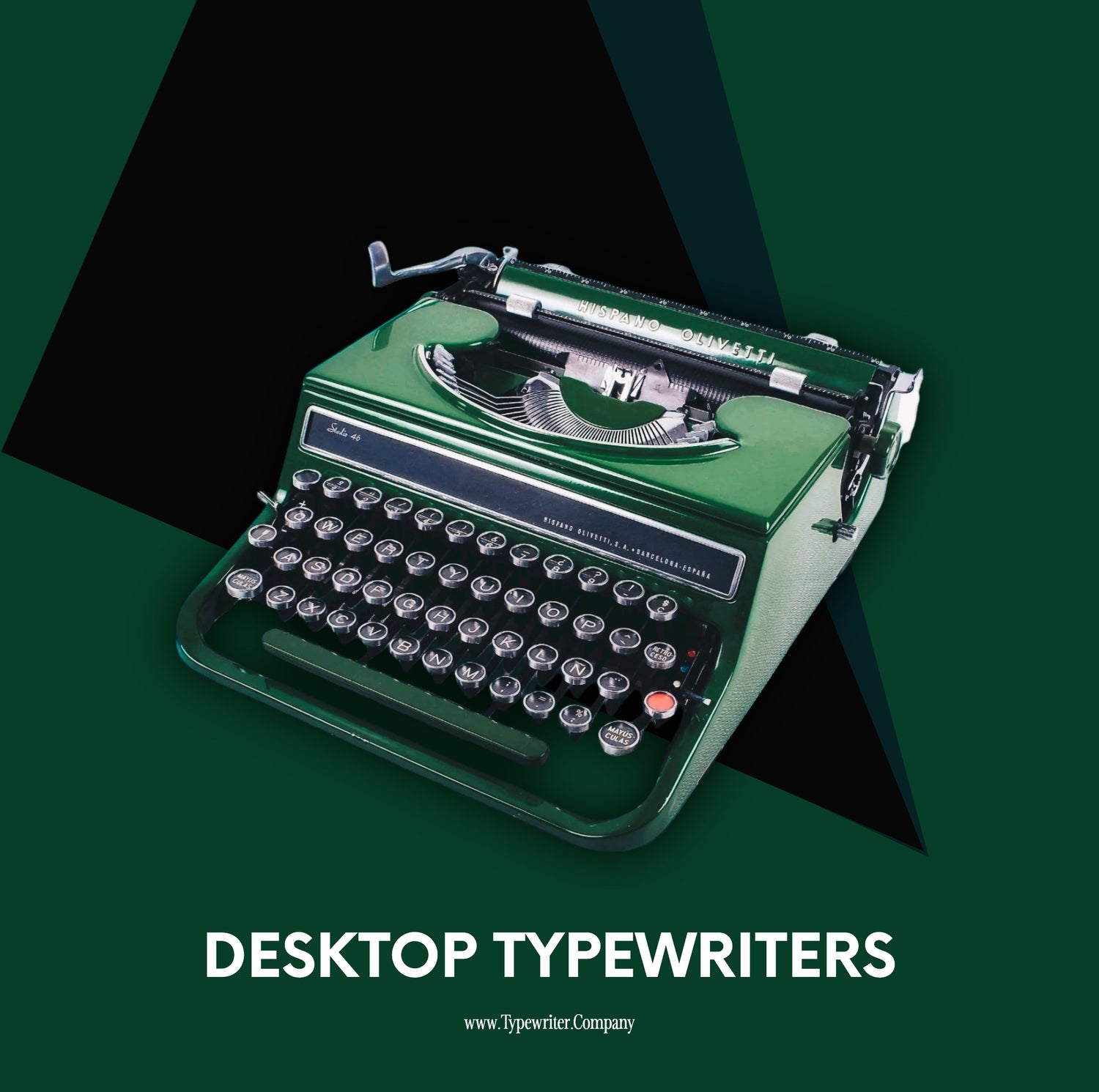
DESKTOP TYPEWRITERS
Desktop Typewriters Discover our exclusive collection of desktop typewriters, where classic elegance...
-
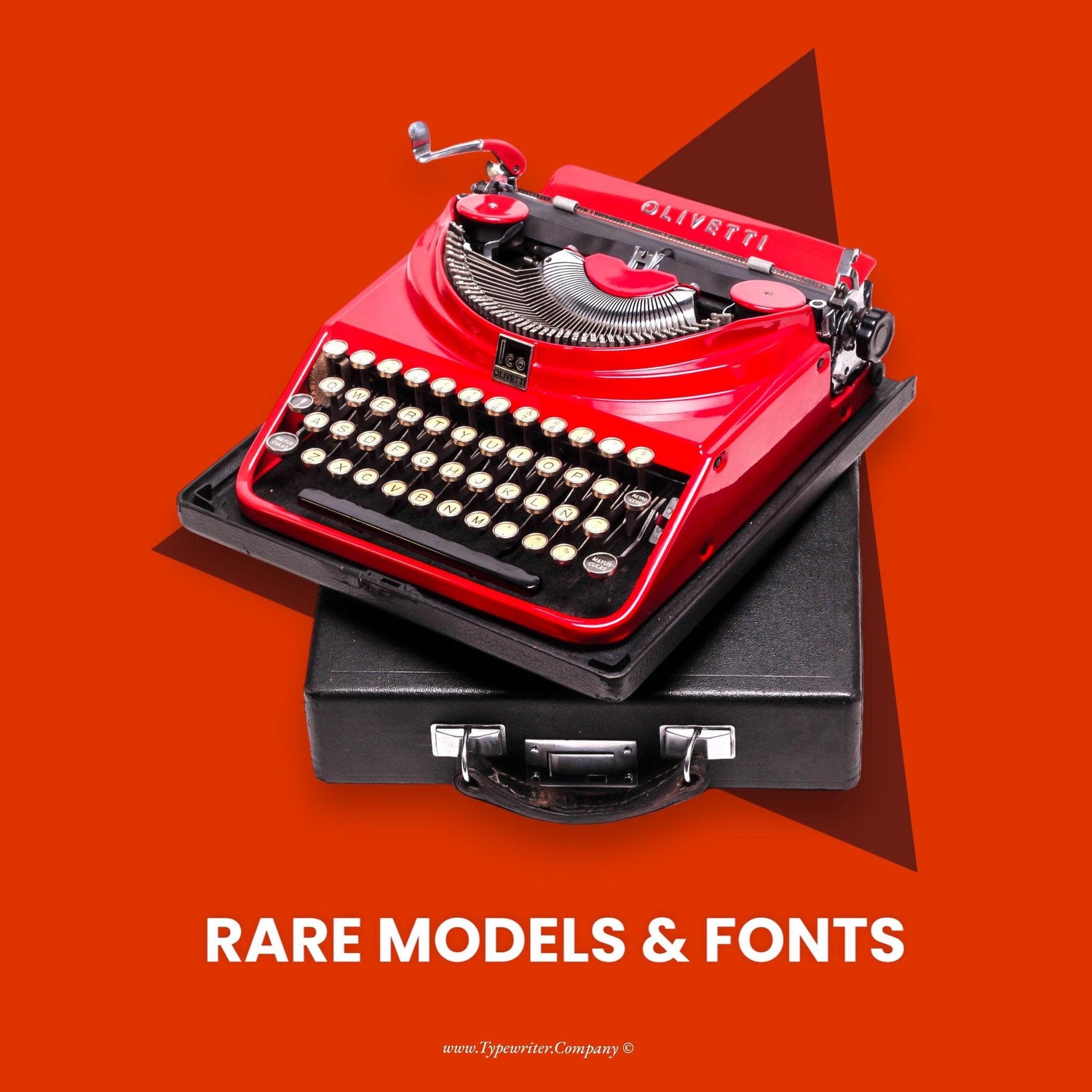
RARE TYPEWRITER MODELS & FONTS
Rare Typewriter Models & Fonts Explore our exclusive collection of rare typewriter...
-
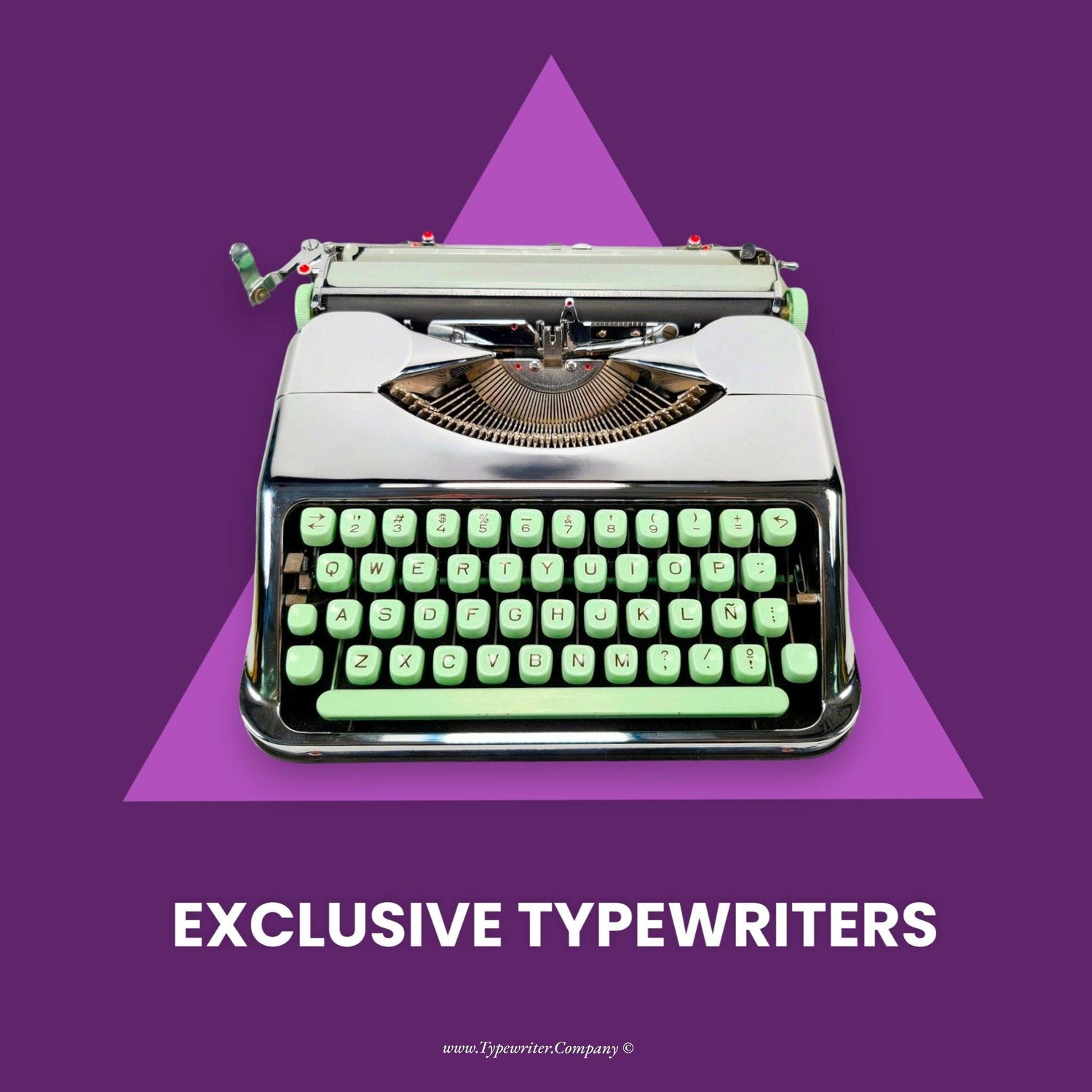
EXCLUSIVE TYPEWRITERS
Exclusive Typewriters Discover our exclusive typewriters, including chrome-plated, professionally painted, and rare...
-
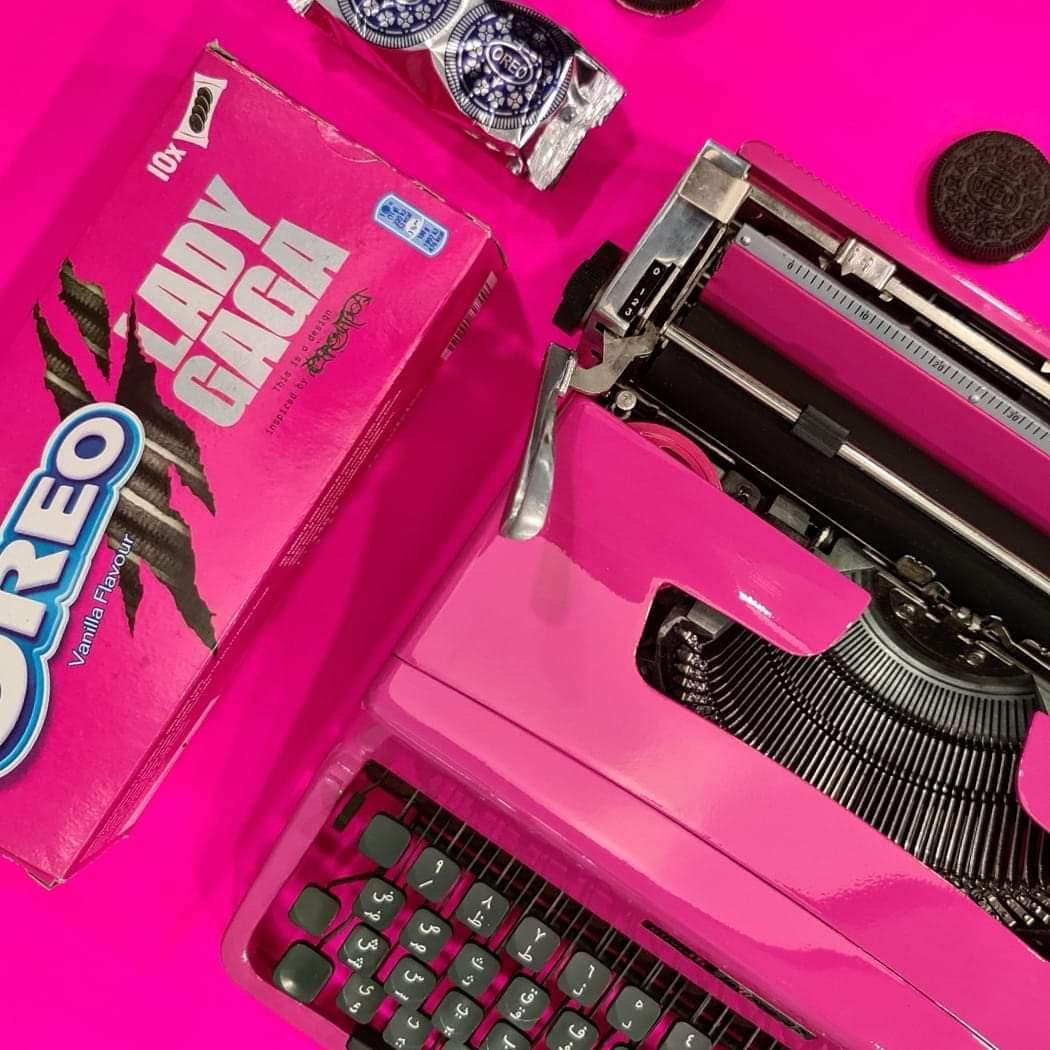
CUSTOM TYPEWRITERS
Custom Typewriters Made To Order Customize your writing experience with our Made...
-
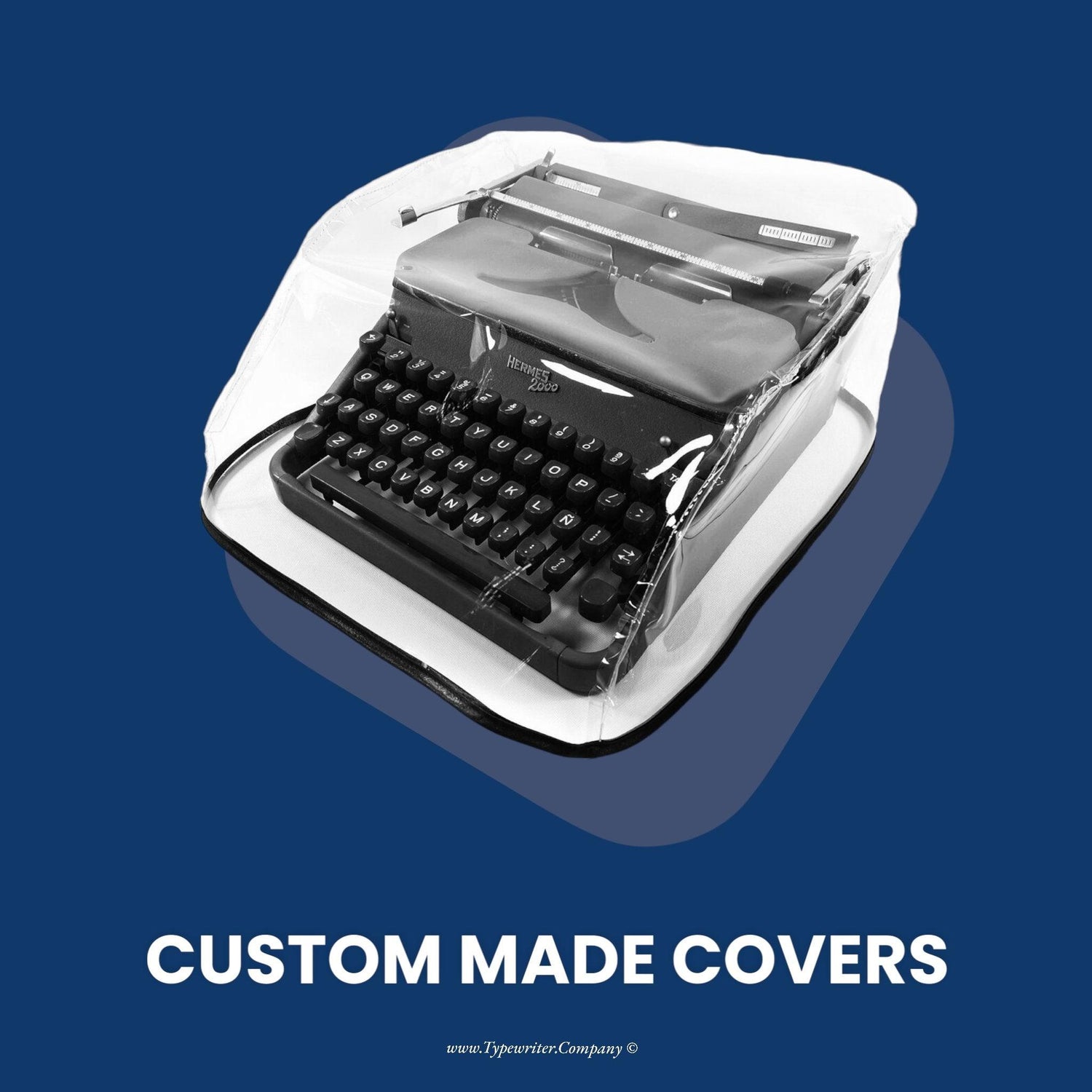
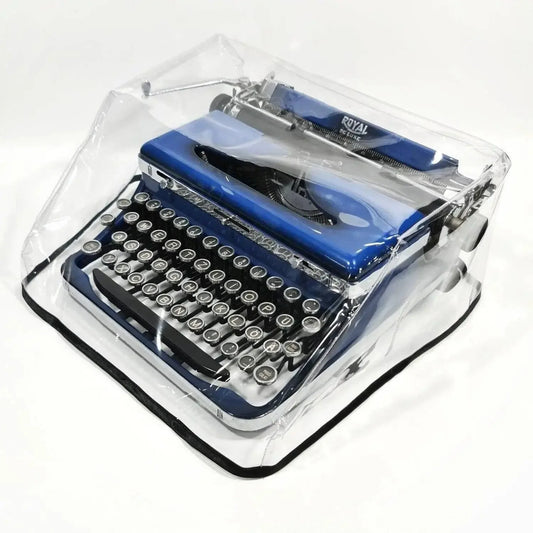
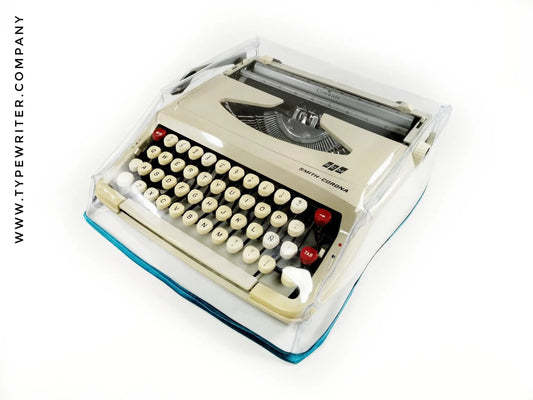
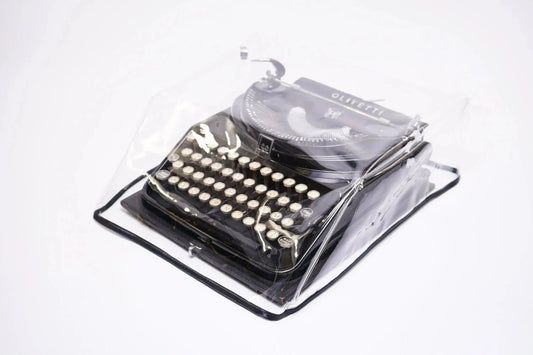
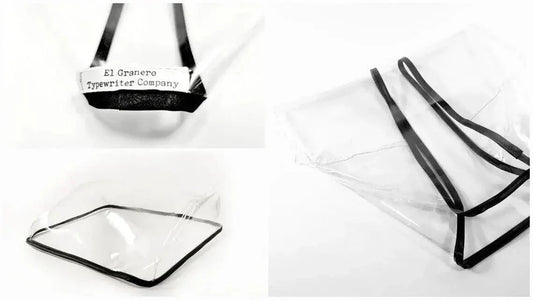
CUSTOM TYPEWRITER DUST COVERS
Custom Typewriter Dust Covers Protect your beloved typewriter with our durable custom...
-
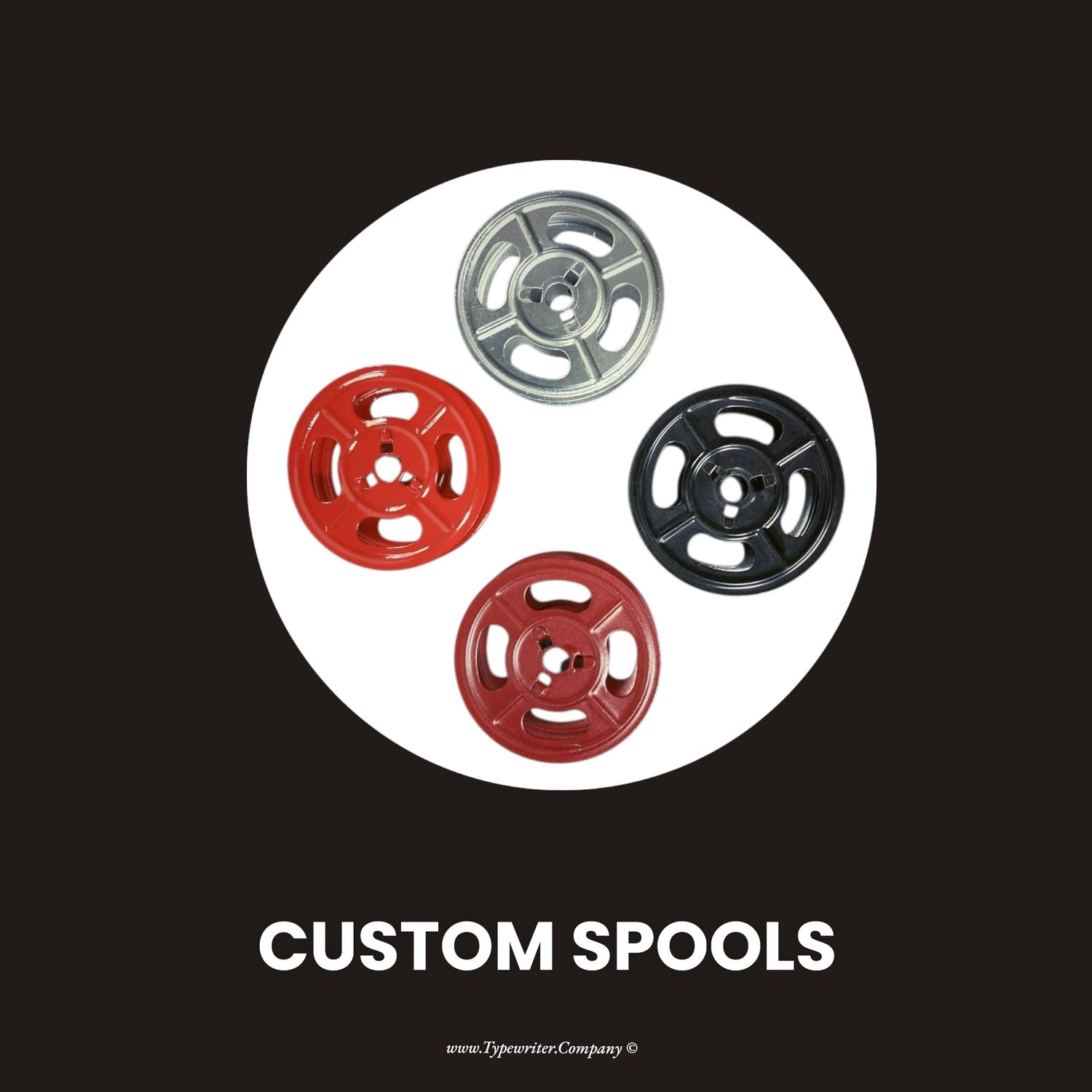
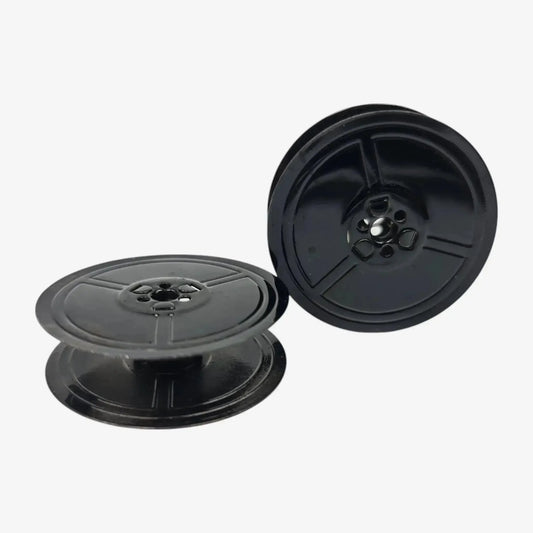
CUSTOM SPOOLS
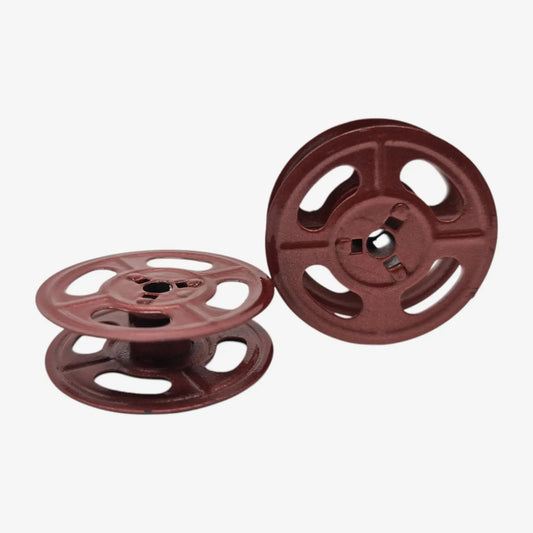
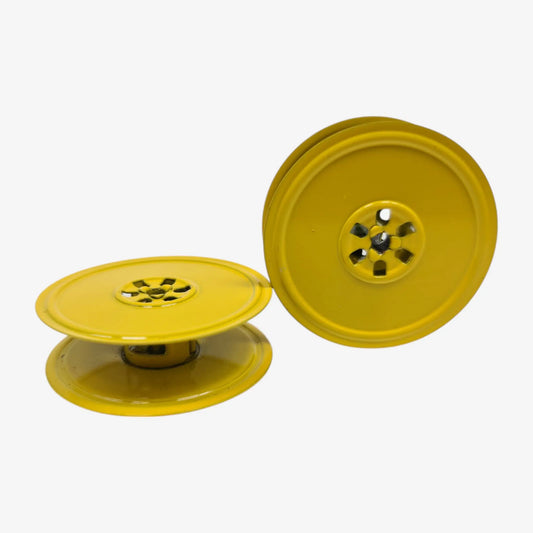
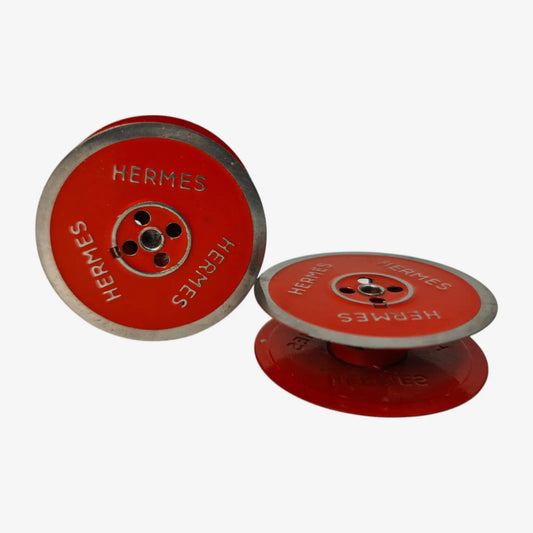
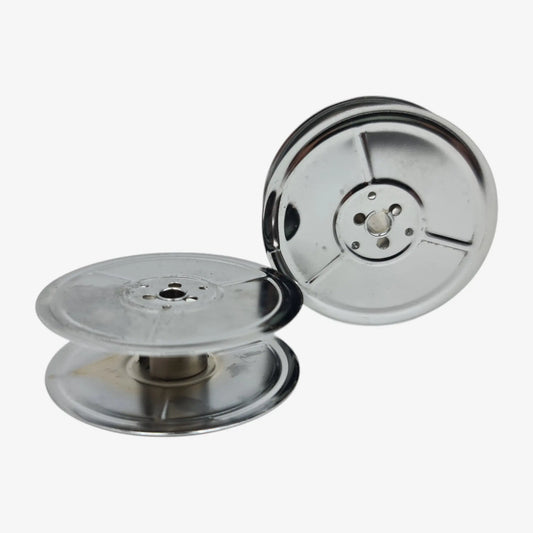
Custom Spools Explore our selection of typewriter custom spools, compatible with various...
-
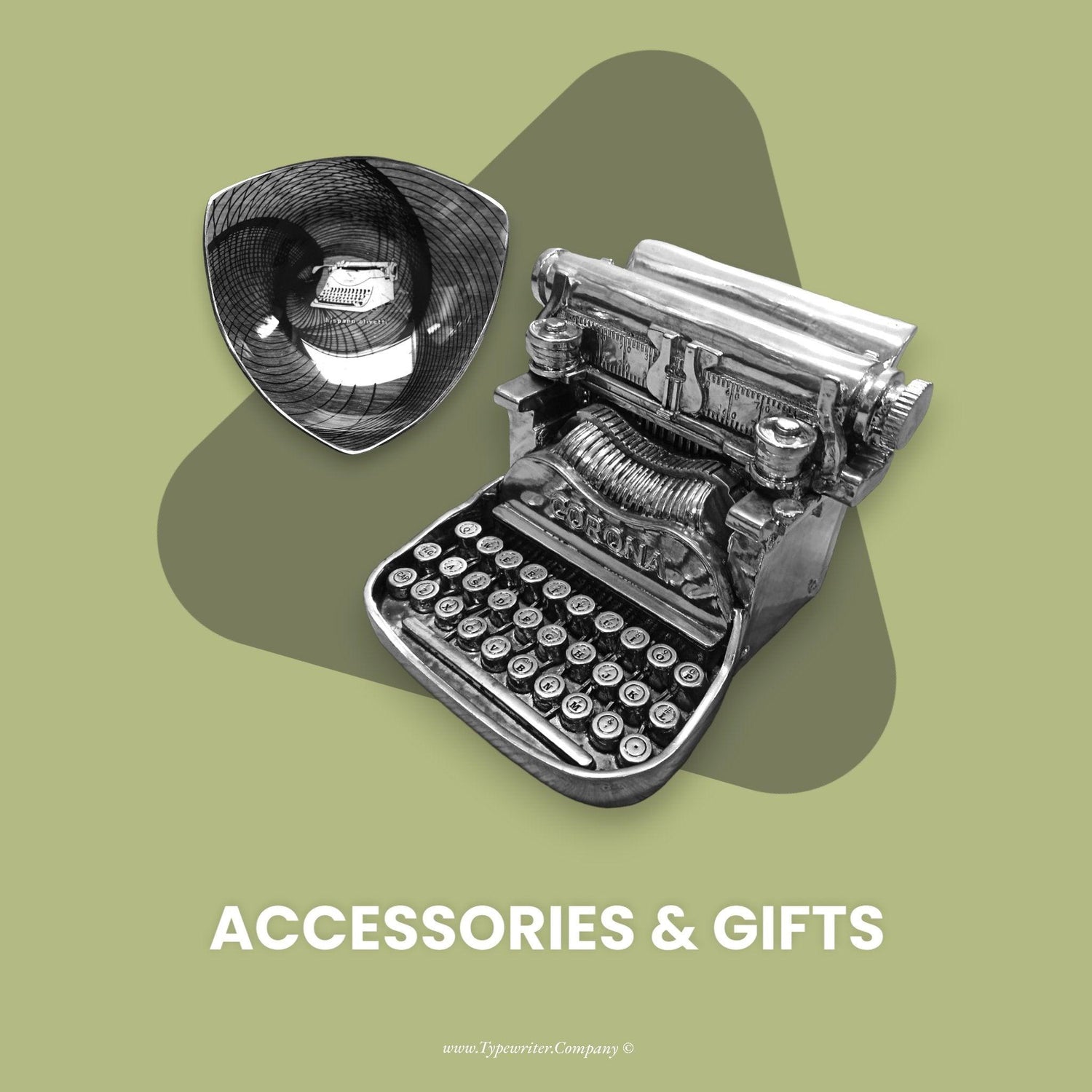
TYPEWRITER ACCESSORIES
Typewriter Accessories Vintage typewriter accessories - protect your typewriter with durable dust...
-
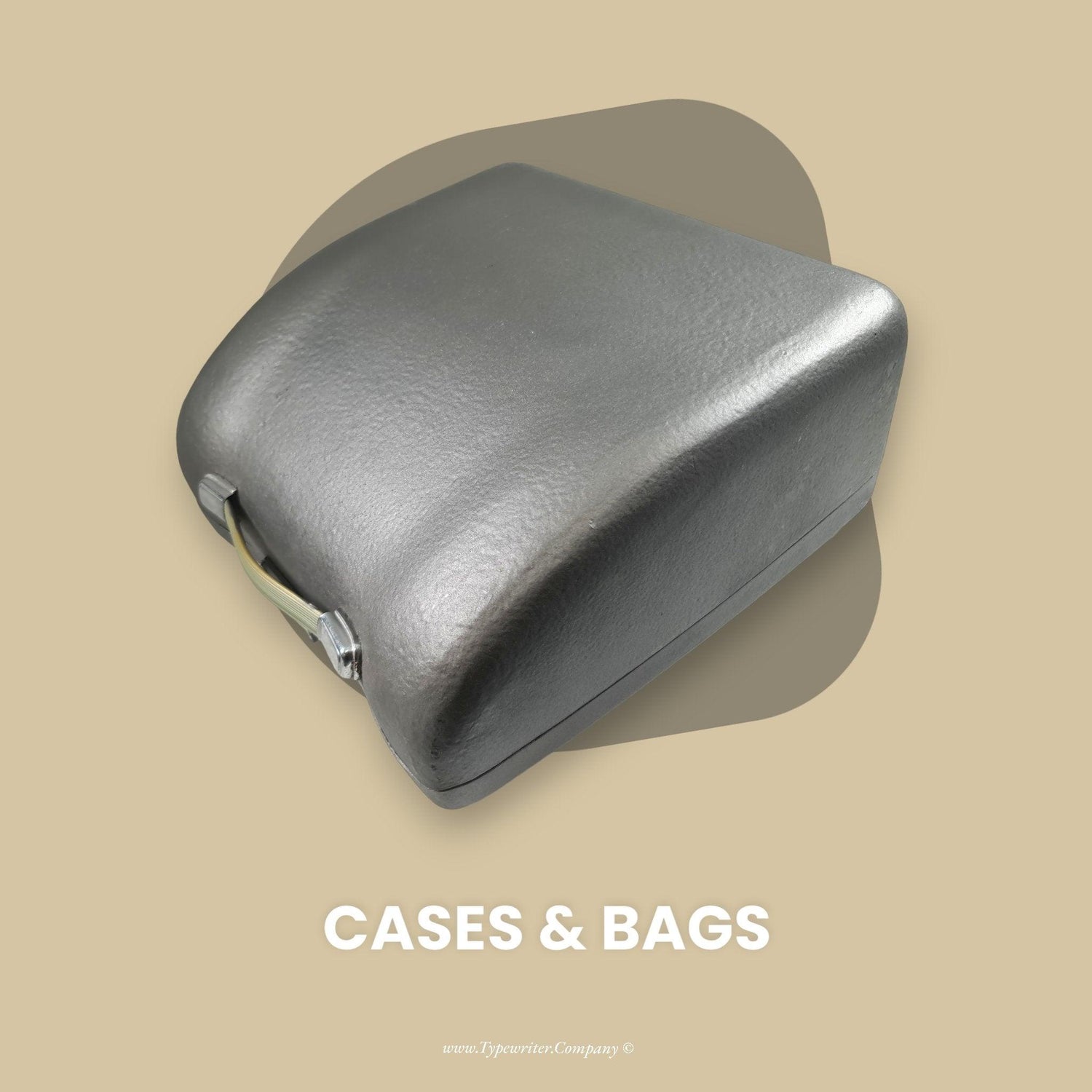
TYPEWRITER CASES & BAGS
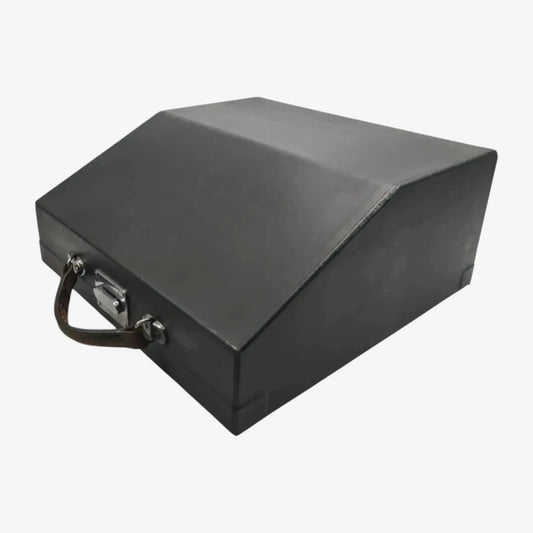
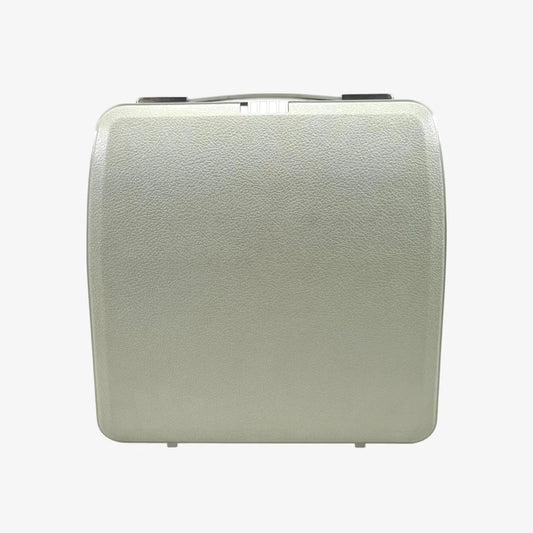
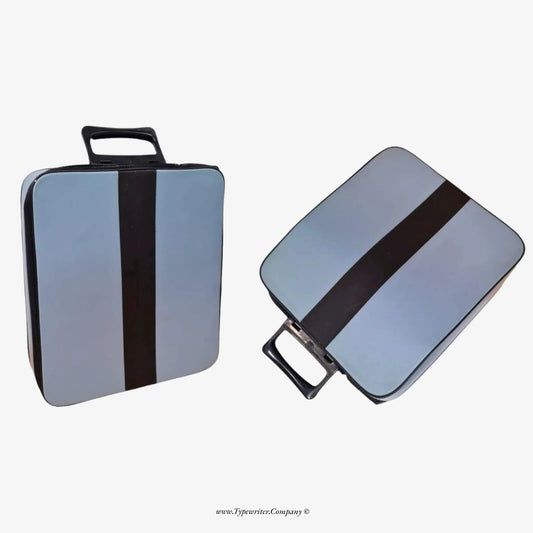
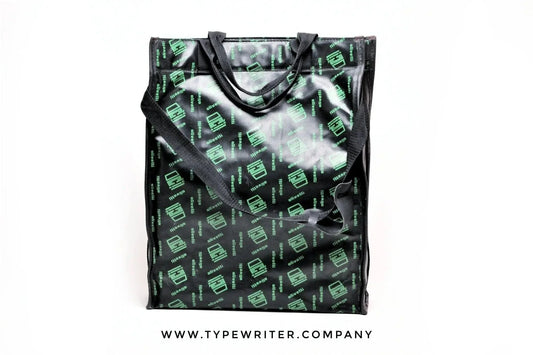
Typewriter Cases & Bags Welcome to our collection of vintage typewriter cases...
-

GIFT WRAPPING
Gift Wrapping Collection – The Art of Presentation Every typewriter deserves a...

Vintage & Classic Typewriters We Love
-
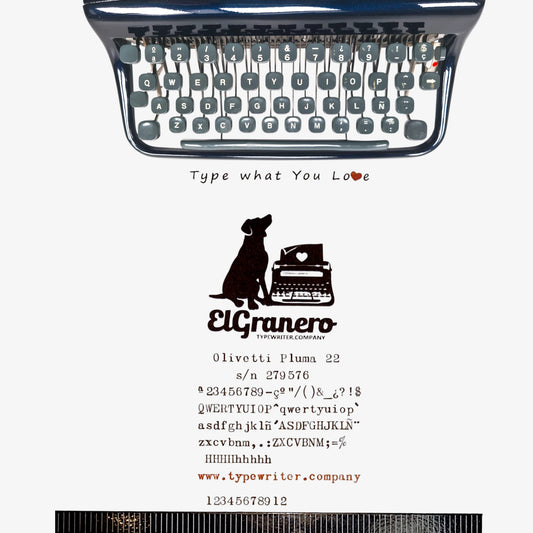
SOLD! Pro Navy Blue Olivetti Pluma 22 Vintage Typewriter, Bodoni Elite font
Normaler Preis €780,00 EURNormaler Preis -
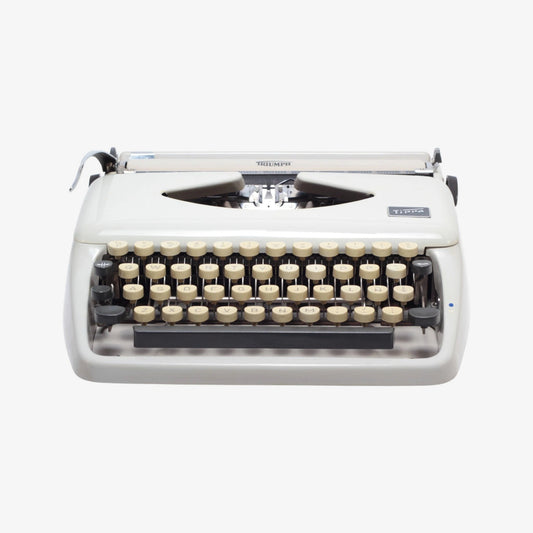
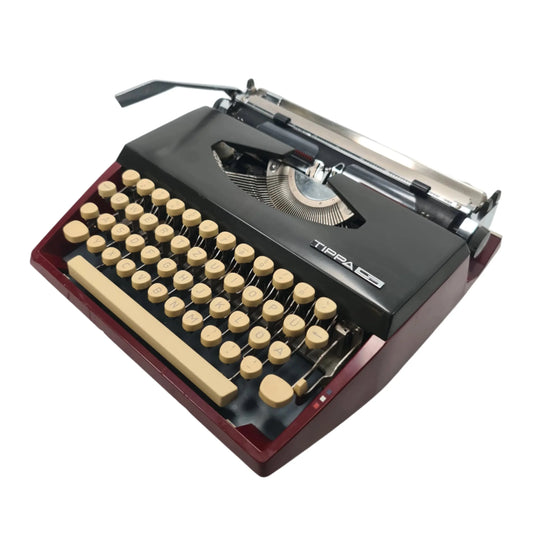
Rare Cursive Tippa , Vintage Manual Typewriter, Refurbished
Normaler Preis €800,00 EURNormaler Preis€0,00 EURVerkaufspreis €800,00 EUR -
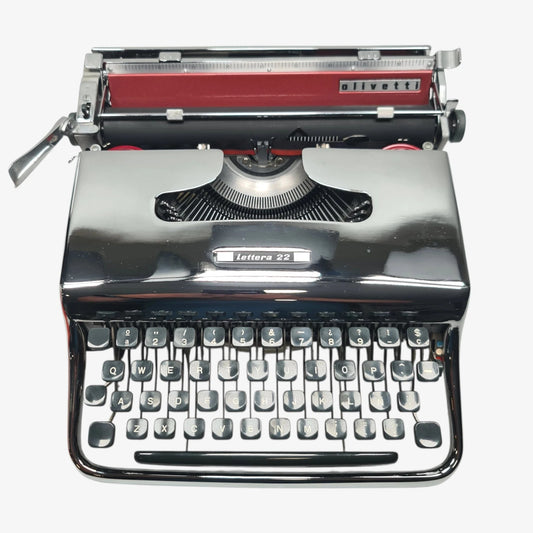
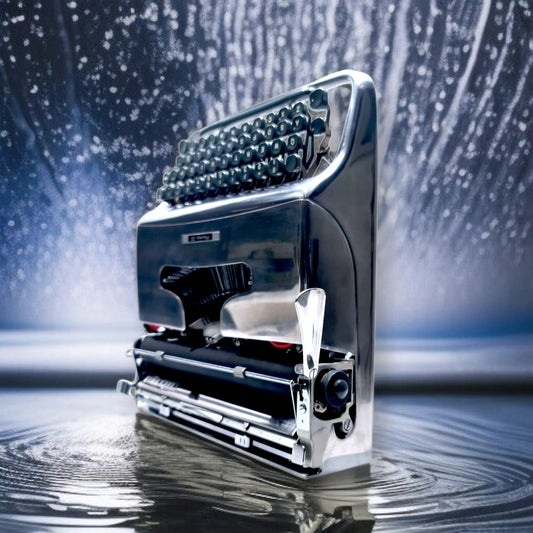
Olivetti Pluma 22 - Chrome Limited Edition Typewriter QWERTY
Normaler Preis €1.250,00 EURNormaler Preis€0,00 EURVerkaufspreis €1.250,00 EUR -
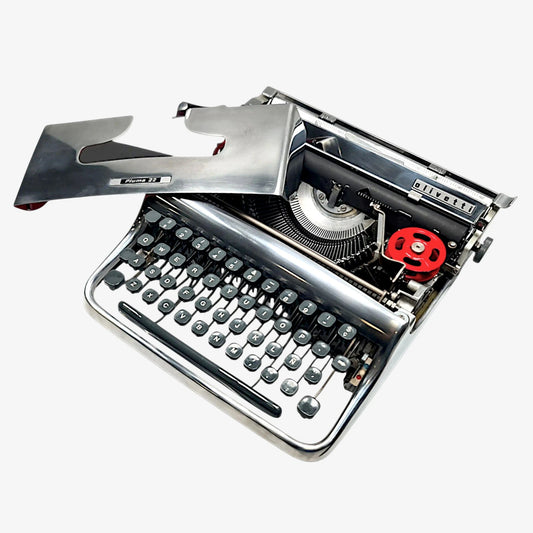
Olivetti Pluma 22 - Limited Polished Silver Edition Typewriter QWERTY
Normaler Preis €1.100,00 EURNormaler Preis€0,00 EURVerkaufspreis €1.100,00 EUR -
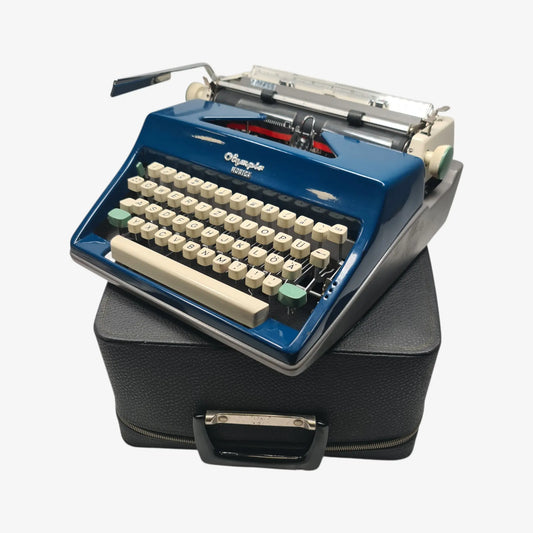
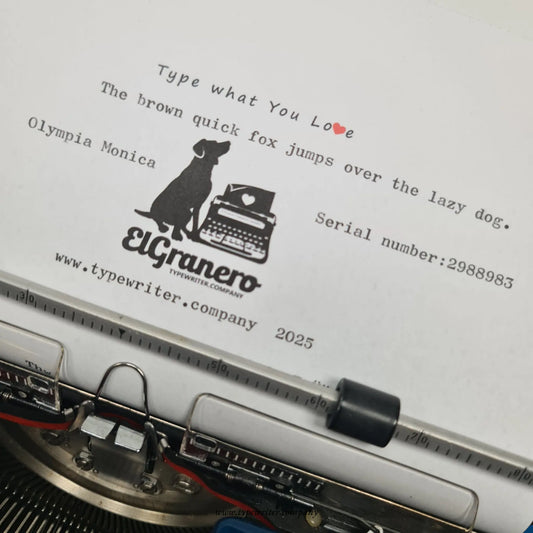
Olympia Monica (SM8) Restored 1960s Portable Typewriter (QWERTZ)
Normaler Preis €500,00 EURNormaler Preis€0,00 EURVerkaufspreis €500,00 EUR -
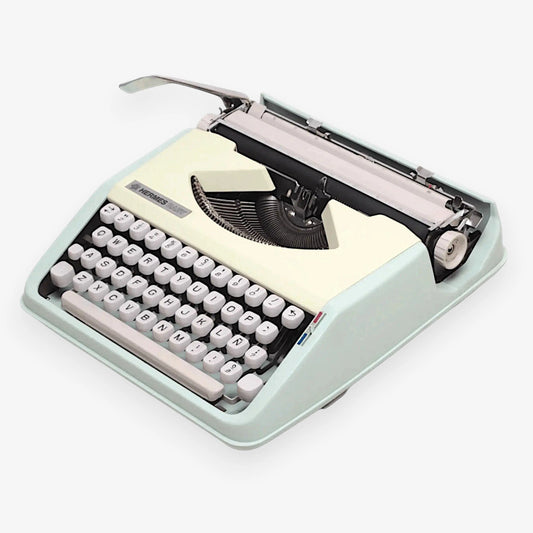
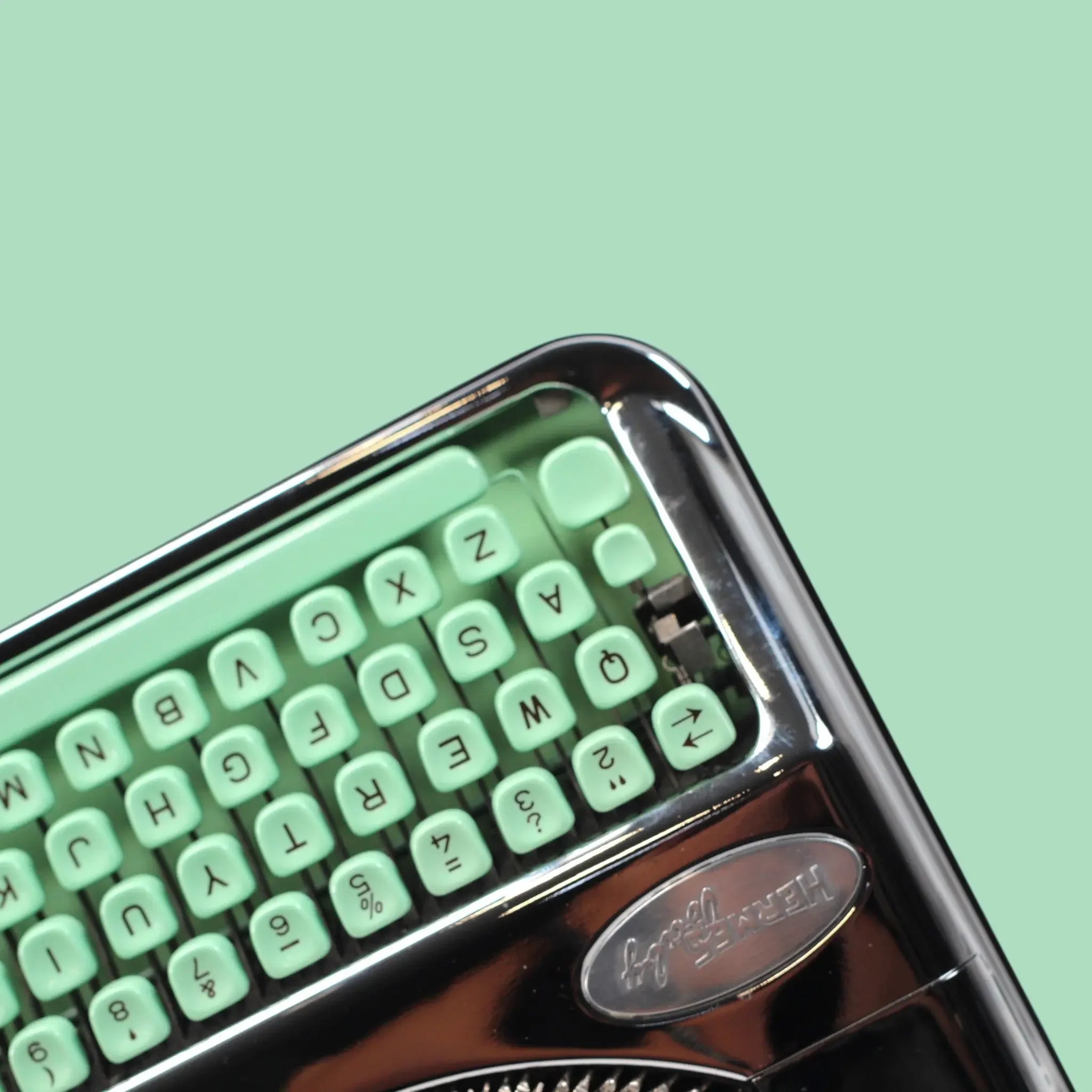
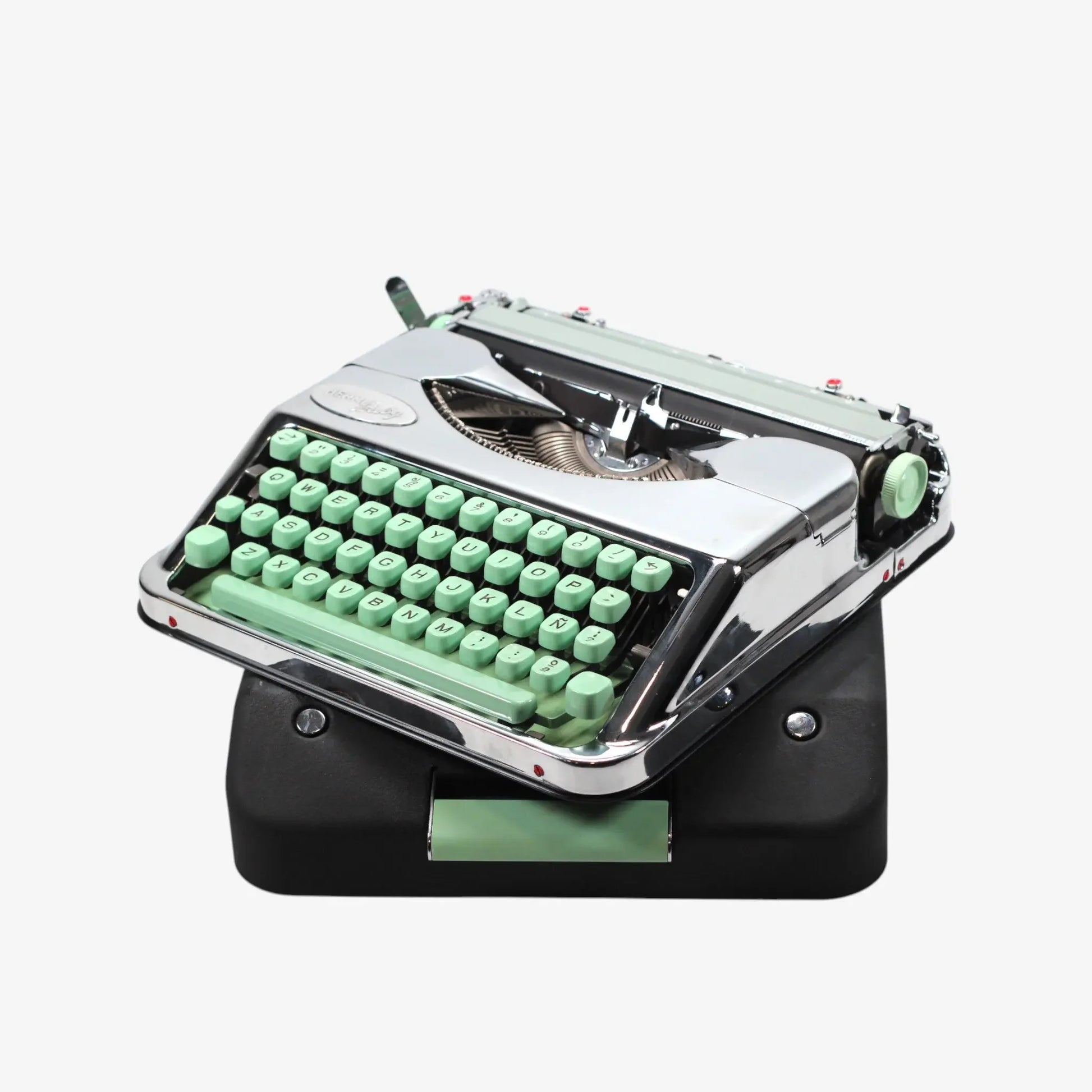
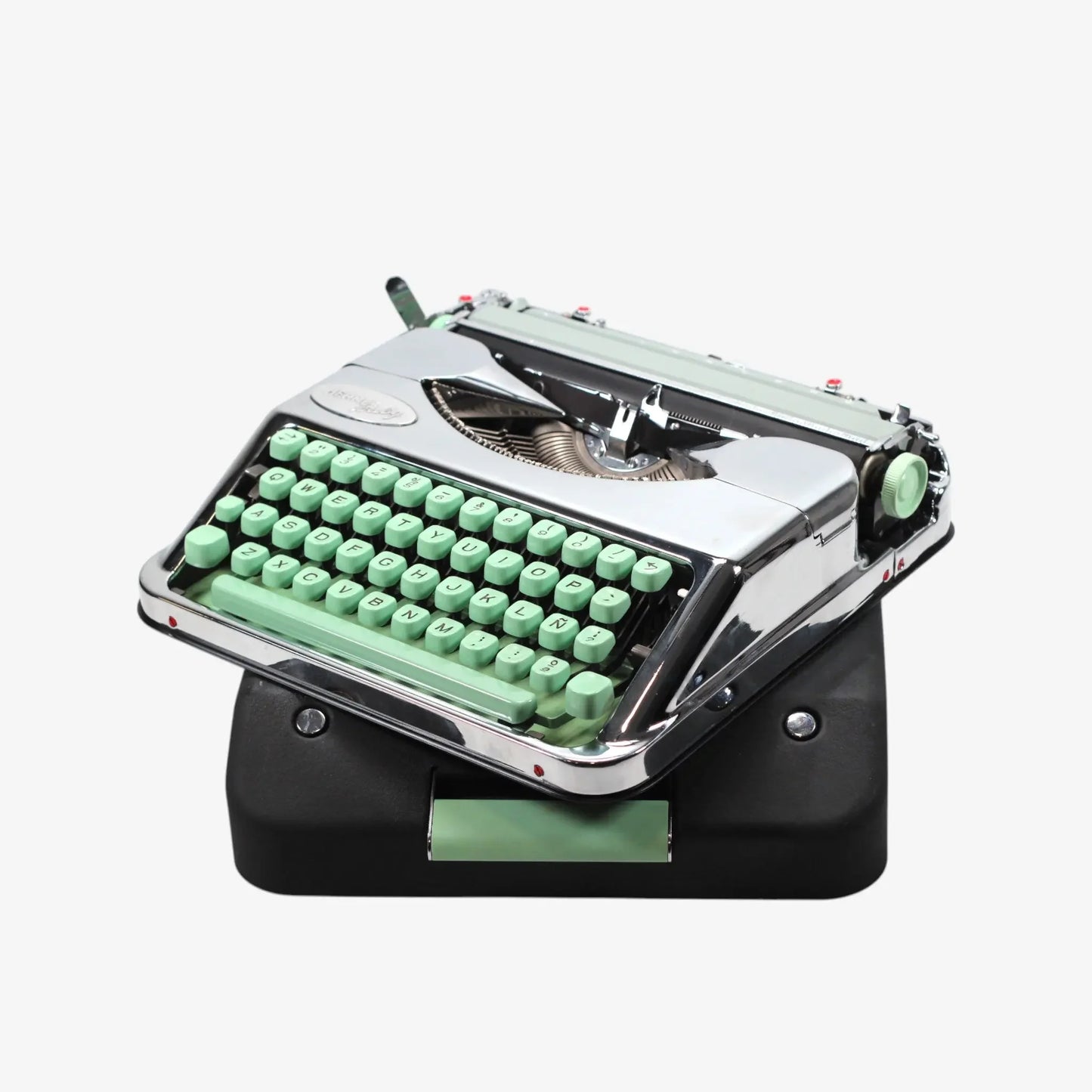
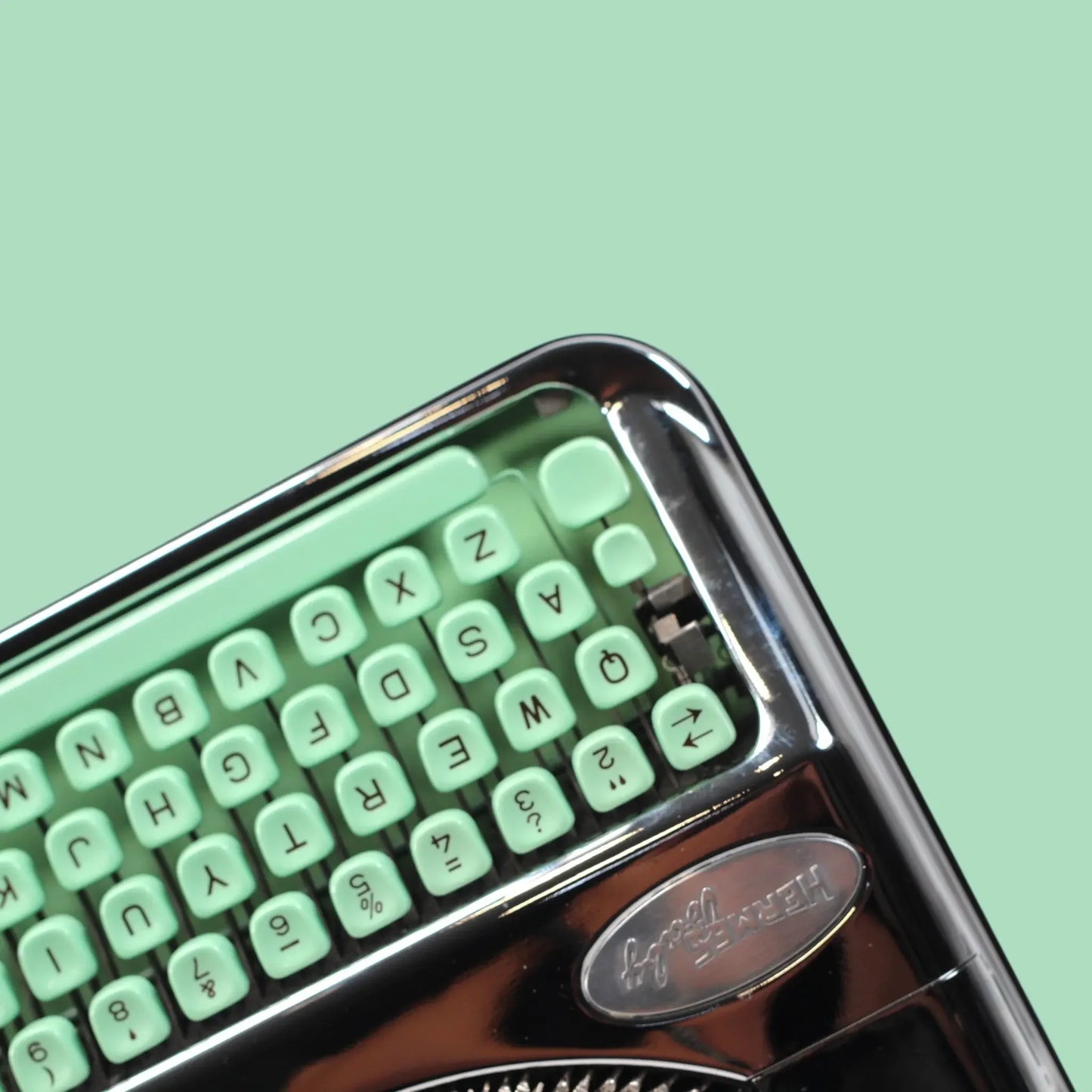
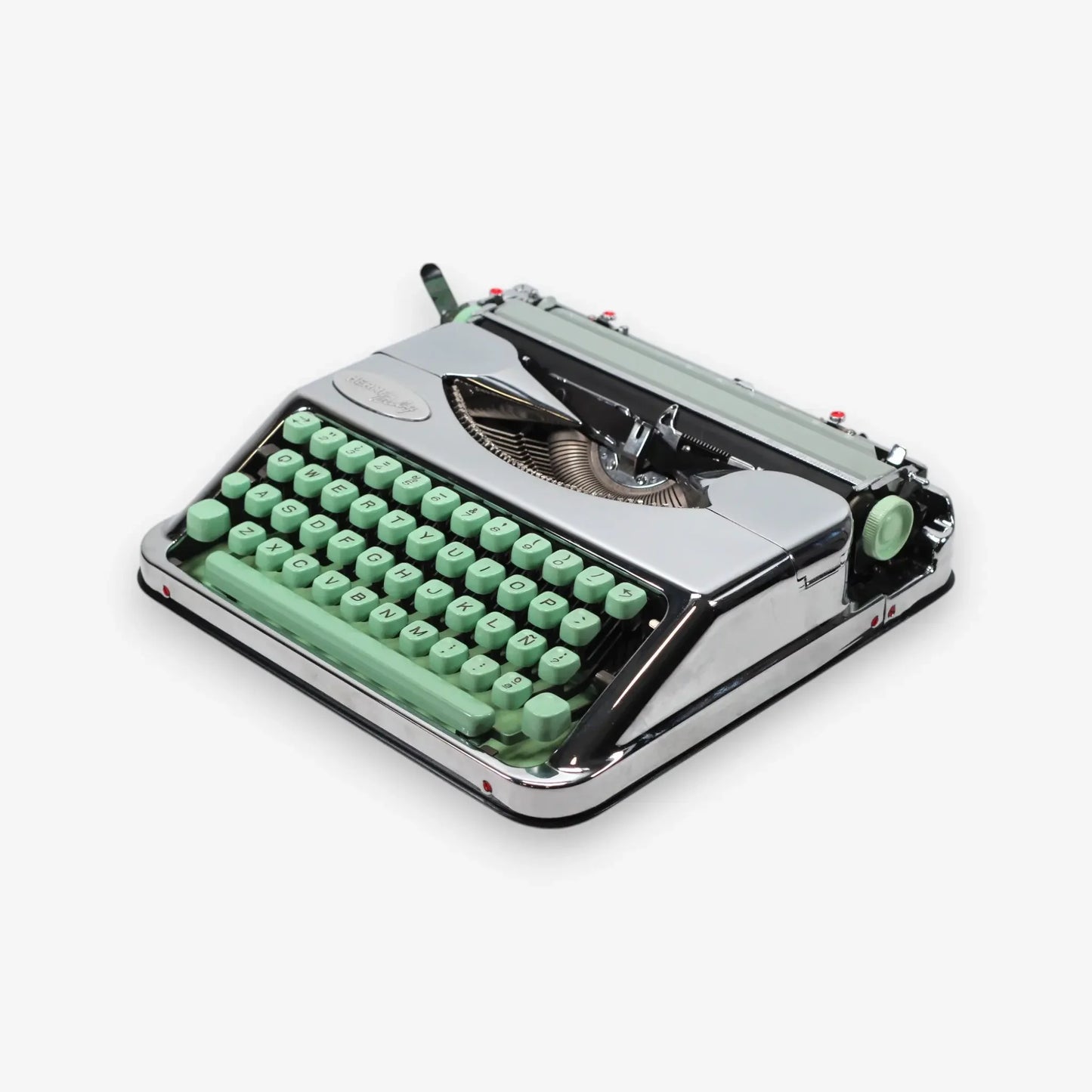
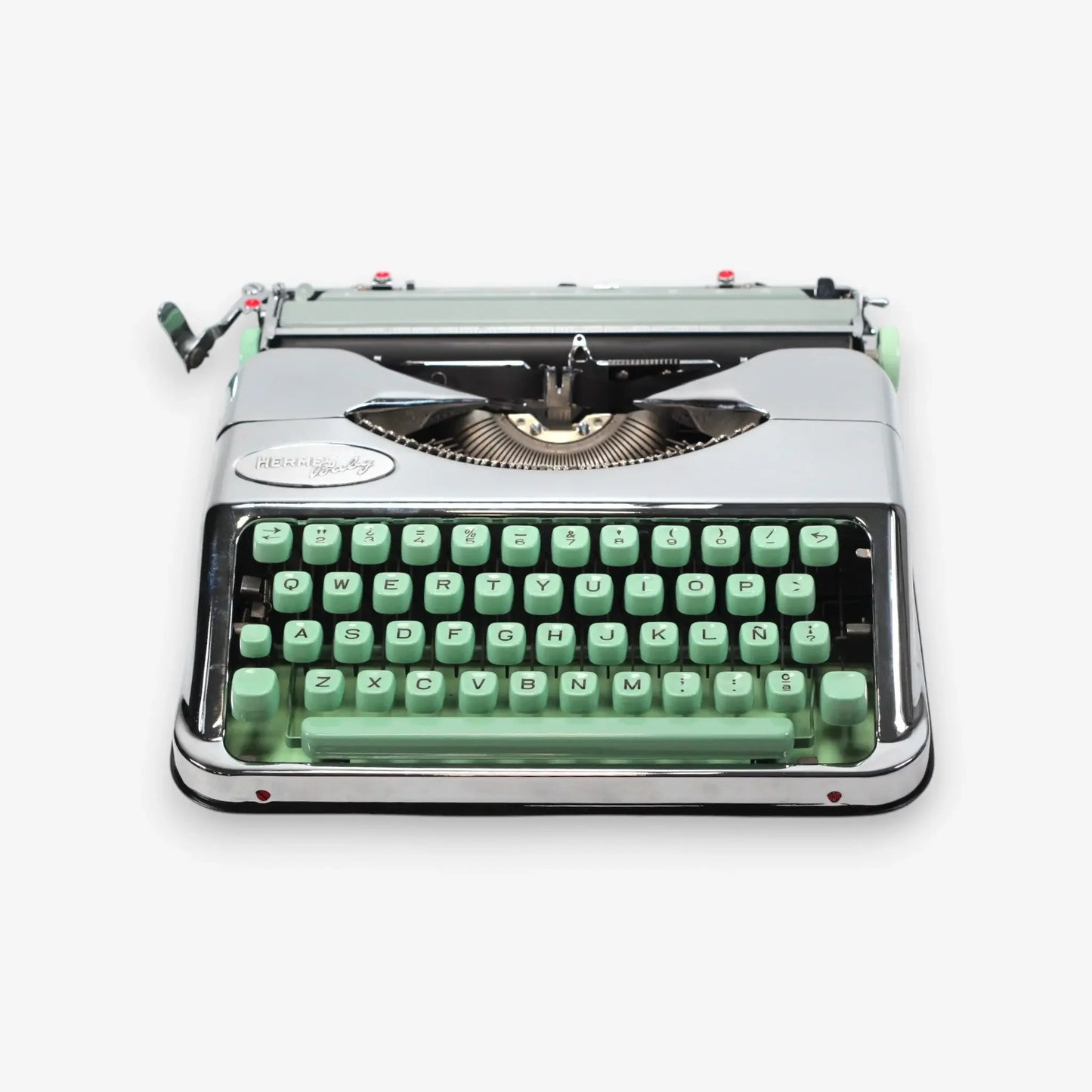
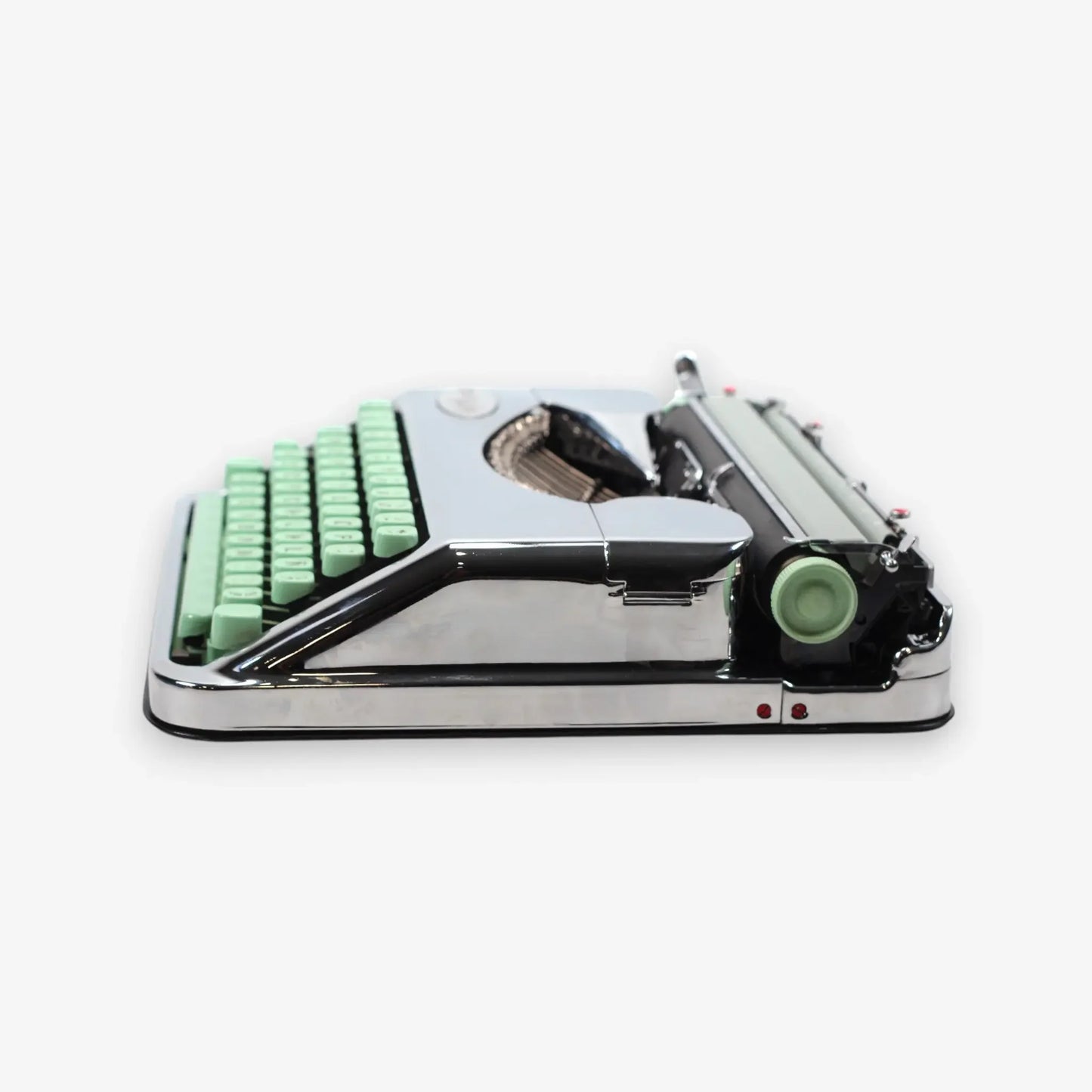
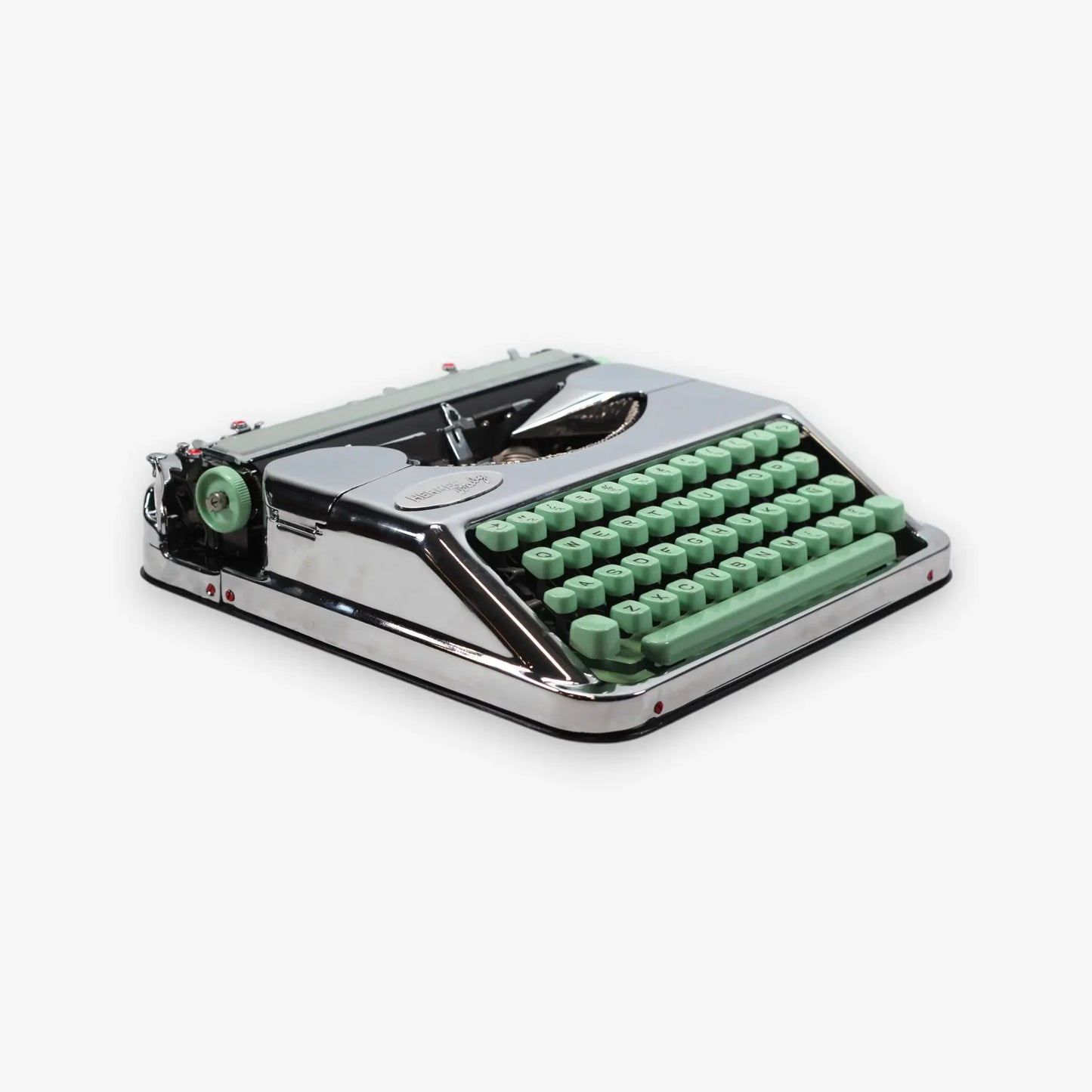
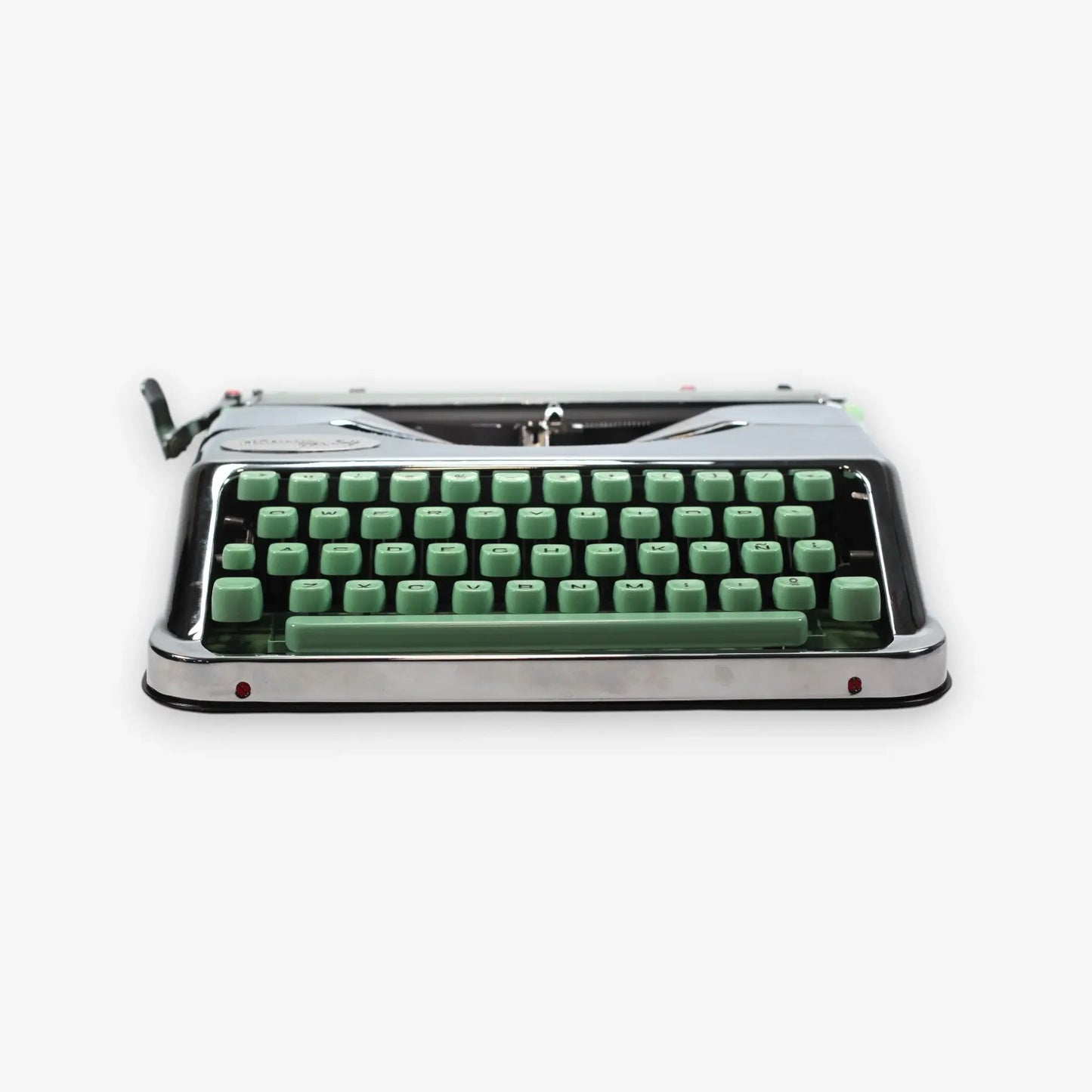
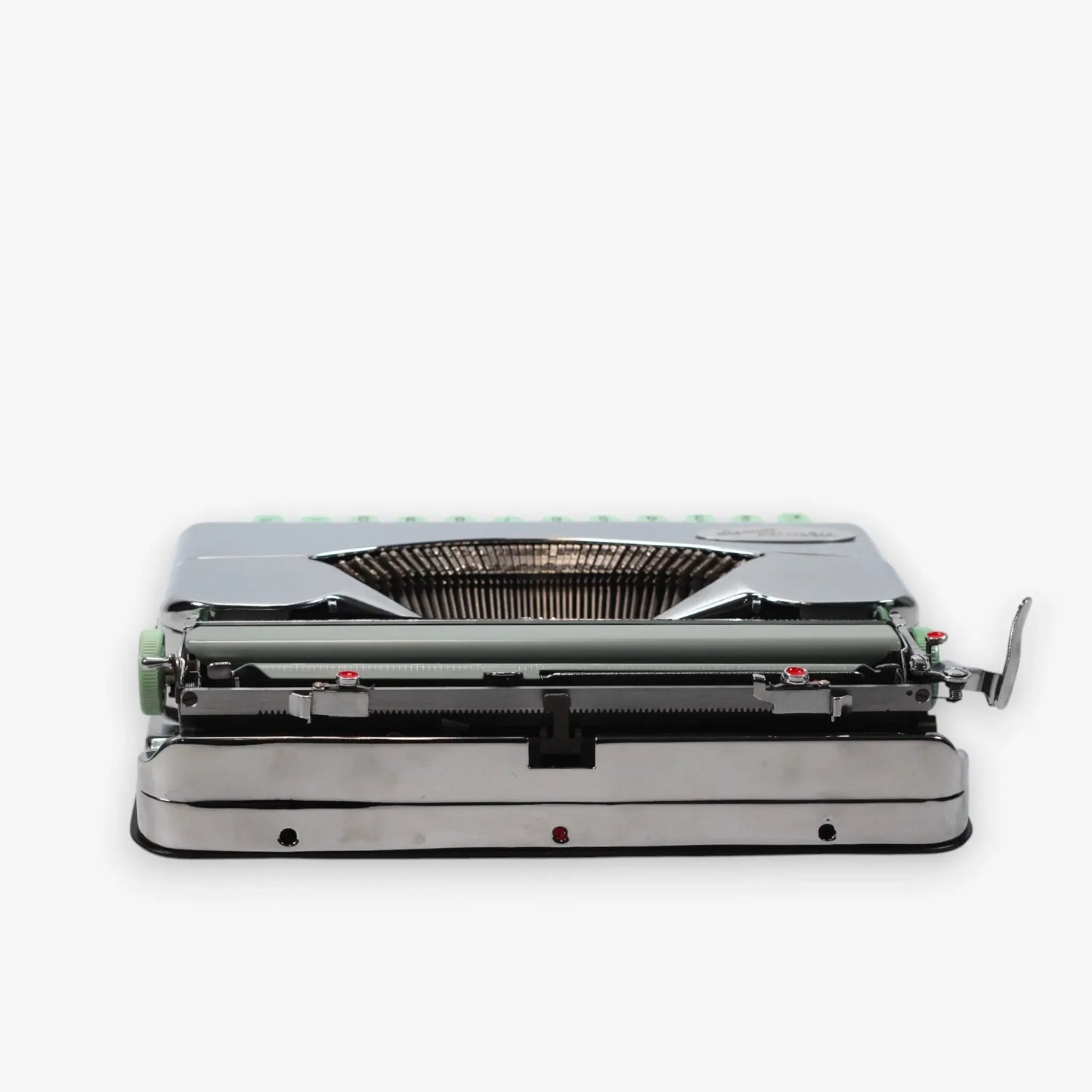
Hermes Baby, Mint Green Manual Vintage Typewriter, Refurbished
Normaler Preis €560,00 EURNormaler Preis€0,00 EURVerkaufspreis €560,00 EUR -
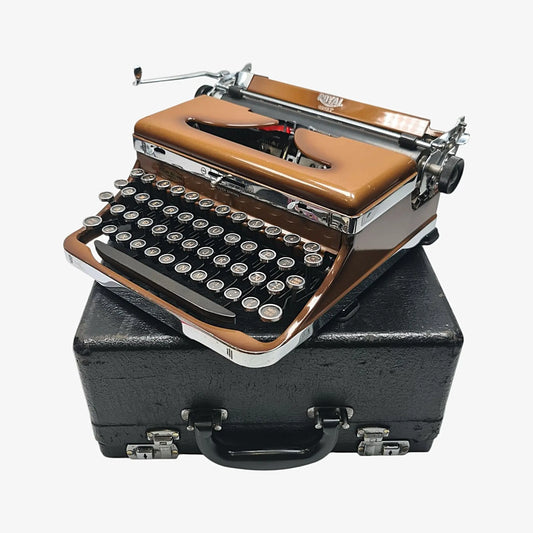
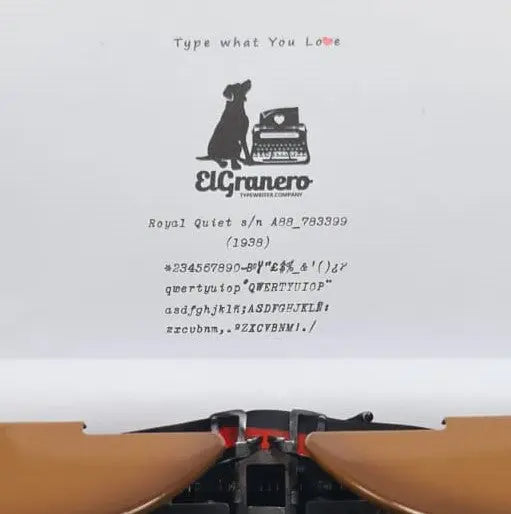
Royal Quiet, Very Rare Font and Colour, Vintage Manual Typewriter Serviced
Normaler Preis €0,00 EURNormaler Preis€0,00 EURVerkaufspreis €0,00 EURAusverkauft -
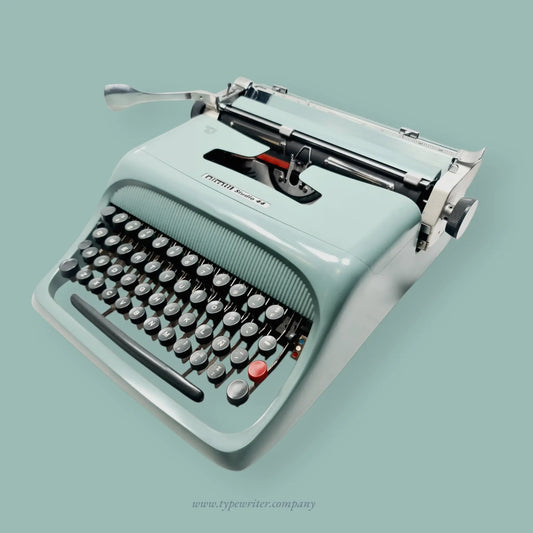
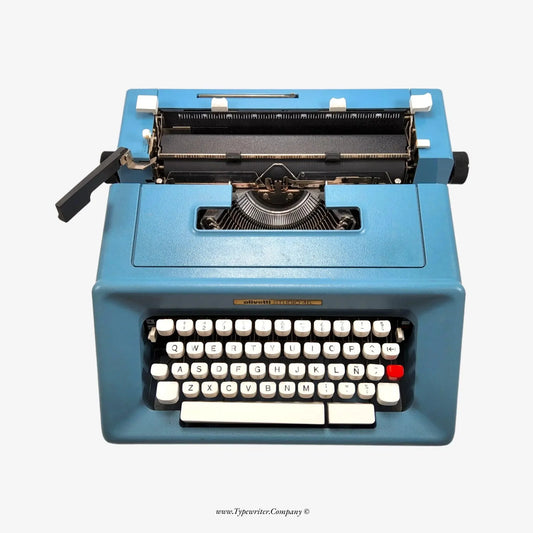
Olivetti Studio 44 Original Teal Vintage Typewriter, Refurbished
Normaler Preis €520,00 EURNormaler Preis -
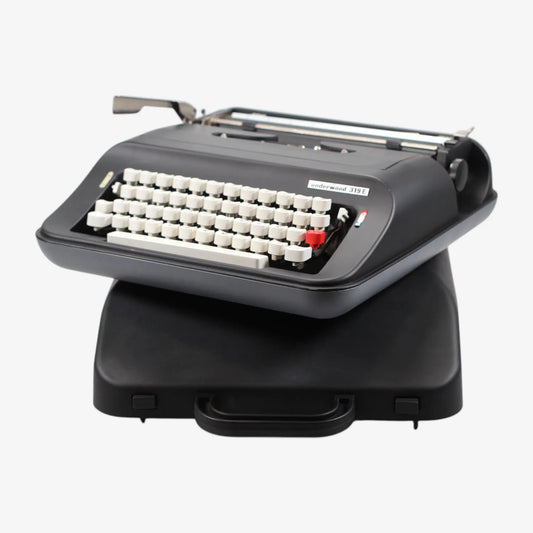
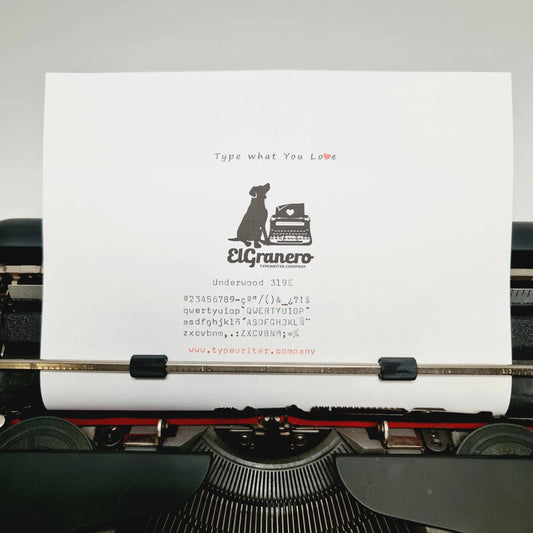
Underwood 319E, Vintage Manual Typewriter, Refurbished
Normaler Preis €325,00 EURNormaler Preis€0,00 EURVerkaufspreis €325,00 EUR -
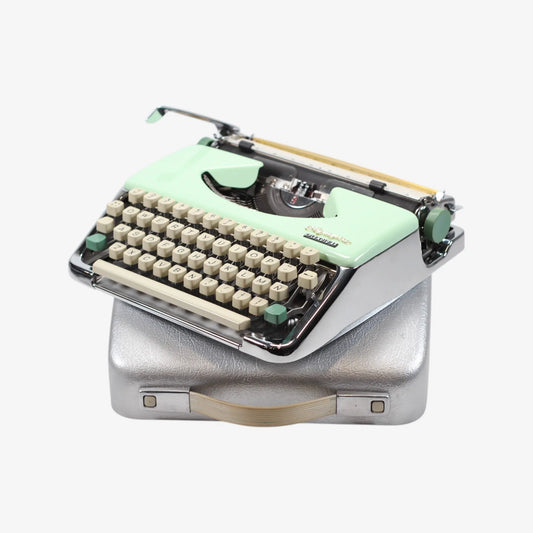
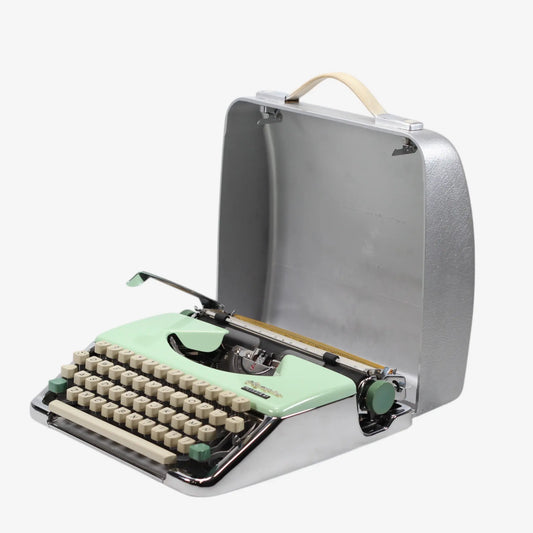
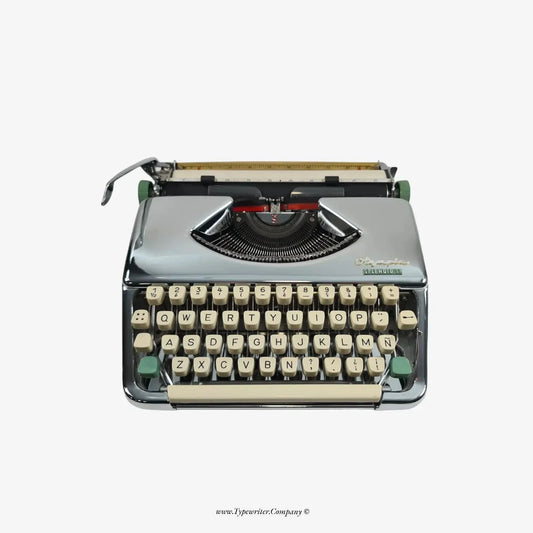
Olympia Splendid Vintage Manual Typewriter, Silver, Green, QWERTY, Restored
Normaler Preis €1.050,00 EURNormaler Preis€0,00 EURVerkaufspreis €1.050,00 EUR -
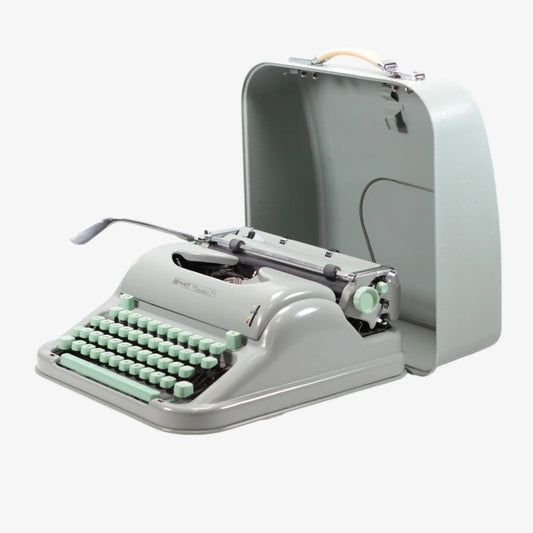
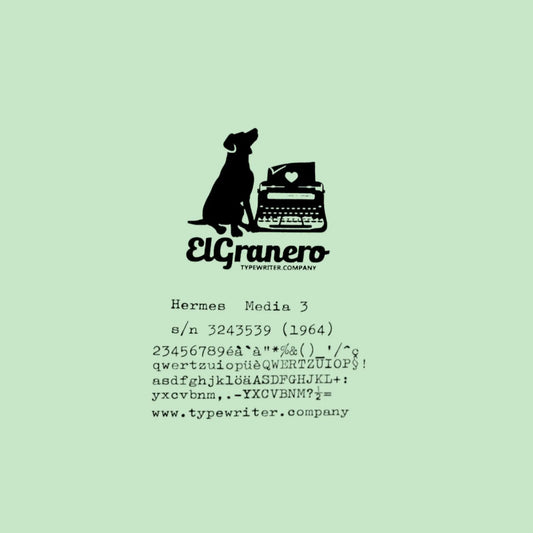
Hermes Media 3 Seafoam Green, Vintage Manual Typewriter, Serviced
Normaler Preis €950,00 EURNormaler Preis€0,00 EURVerkaufspreis €950,00 EUR -
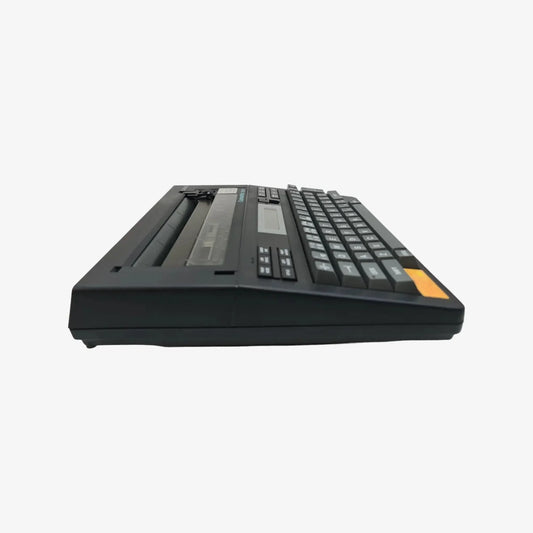
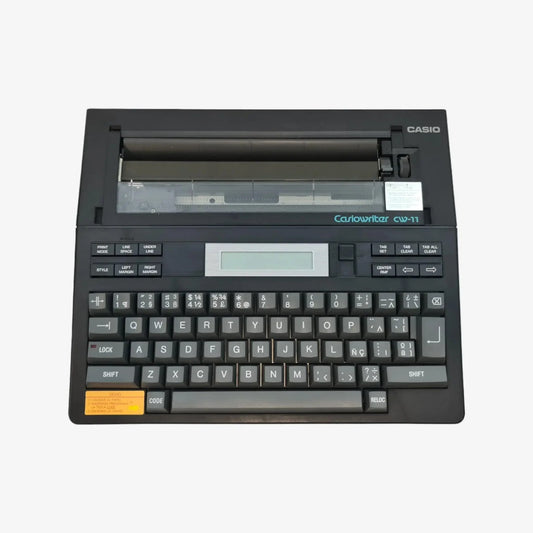
Electric Typewriter CasioWriter CW-11, Vintage
Normaler Preis €390,00 EURNormaler Preis€0,00 EURVerkaufspreis €390,00 EUR -
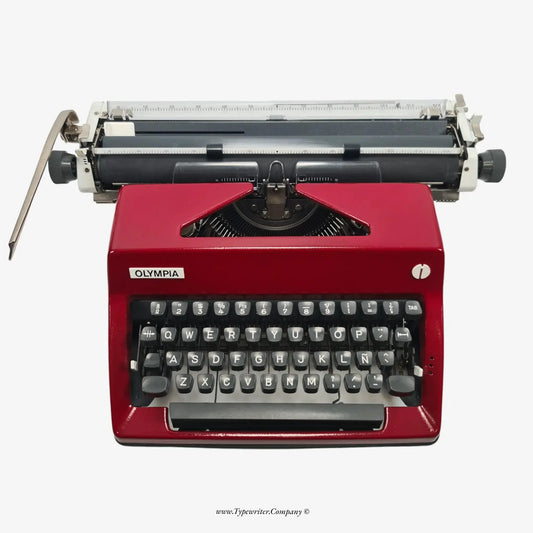
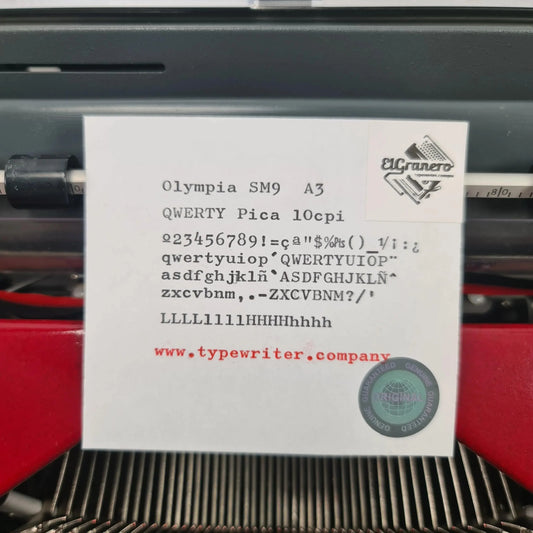
Olympia SM9 Typewriter A3, Burgundy, QWERTY Keyboard, Refurbished
Normaler Preis €520,00 EURNormaler Preis€0,00 EURVerkaufspreis €520,00 EUR -
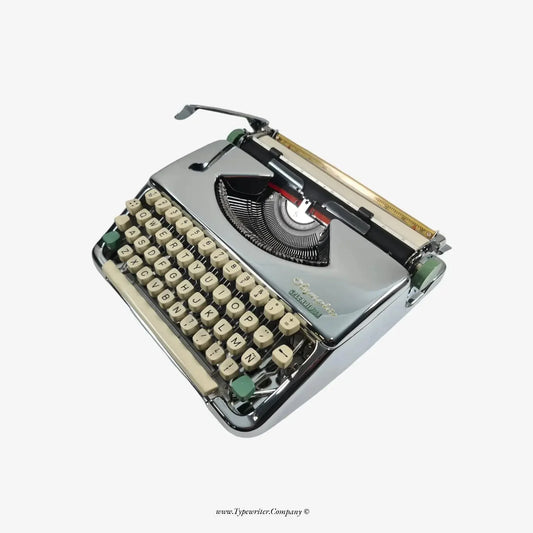
Olympia Splendid Vintage Typewriter, Chrome-Plated, QWERTY Keyboard, Restored
Normaler Preis €1.050,00 EURNormaler Preis€0,00 EURVerkaufspreis €1.050,00 EUR -
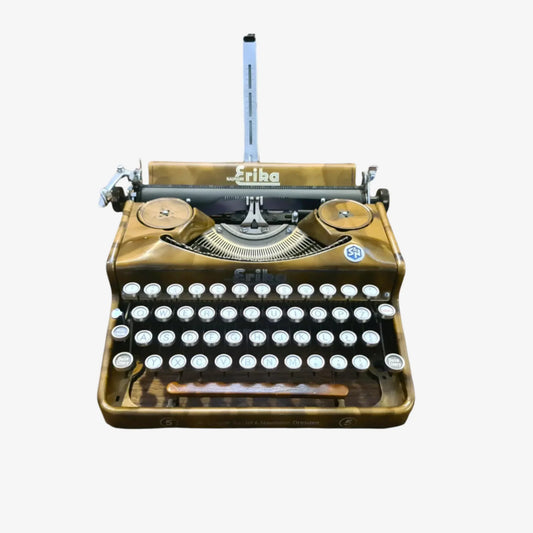
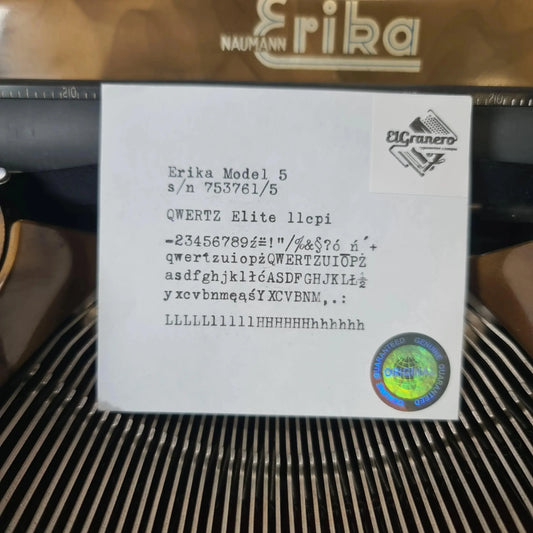
Erika 5 Gold, Rare Manual Vintage Typewriter, Professionally Serviced
Normaler Preis €1.700,00 EURNormaler Preis€0,00 EURVerkaufspreis €1.700,00 EUR -
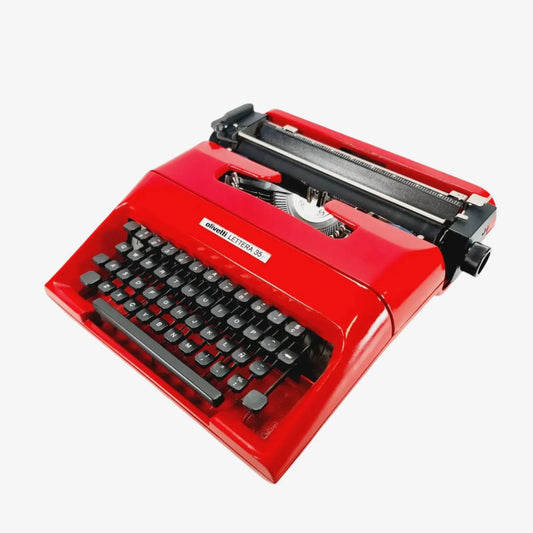
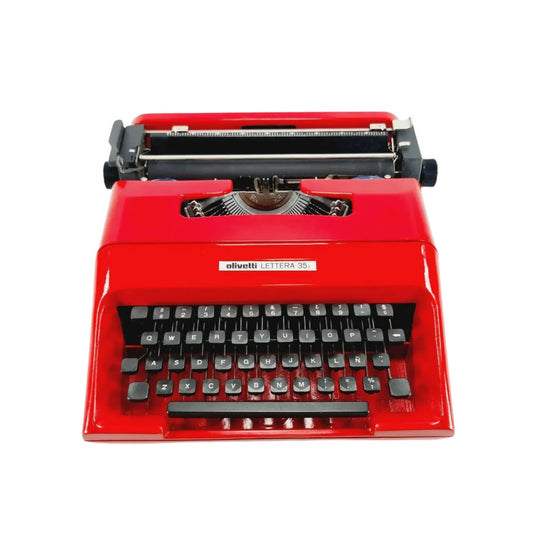
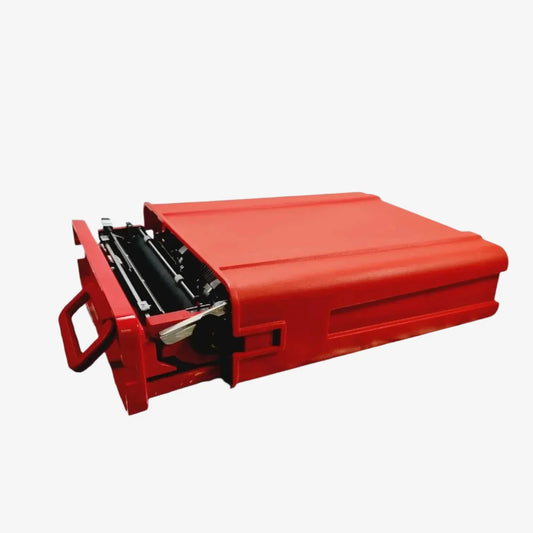
Olivetti Lettera 35 Typewriter, Red, Vintage, Manual, Restored
Normaler Preis €420,00 EURNormaler Preis€0,00 EURVerkaufspreis €420,00 EUR -
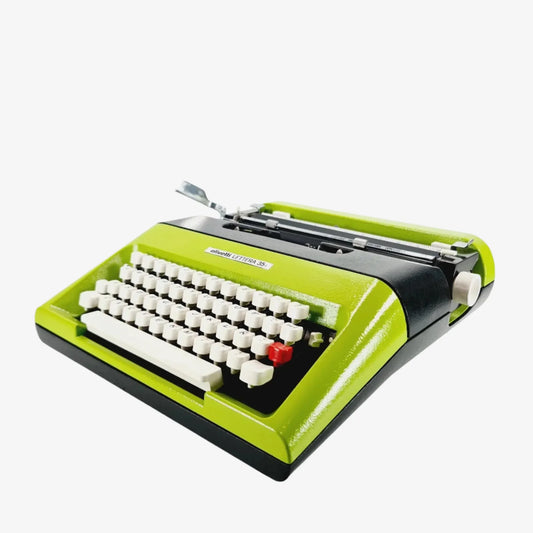
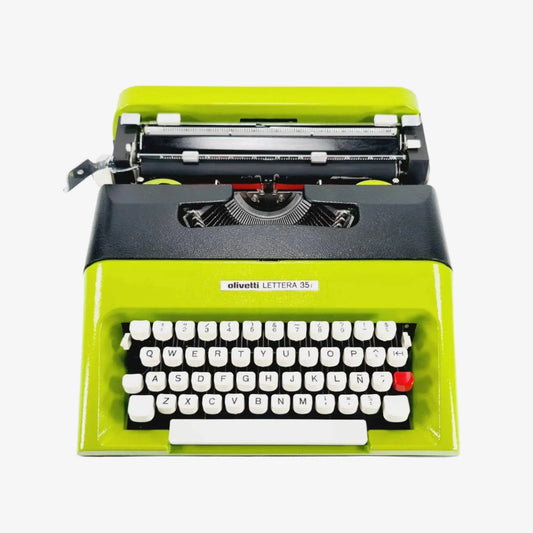
Olivetti Lettera 35 Black and Green Manual Vintage Typewriter Restored
Normaler Preis €520,00 EURNormaler Preis€0,00 EURVerkaufspreis €520,00 EUR -
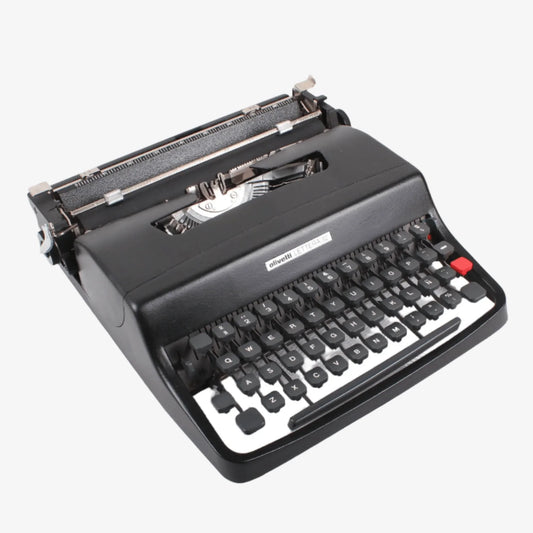
Olivetti Lettera 32 Black Manual Vintage Typewriter, Restored
Normaler Preis €390,00 EURNormaler Preis€0,00 EURVerkaufspreis €390,00 EUR -
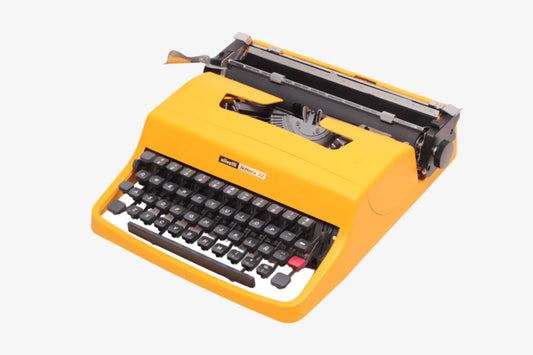
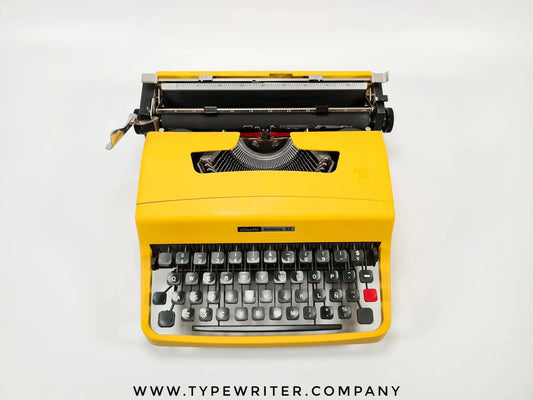
Olivetti Lettera 32, Yellow Manual Vintage Typewriter, Restored
Normaler Preis €390,00 EURNormaler Preis€0,00 EURVerkaufspreis €390,00 EUR -
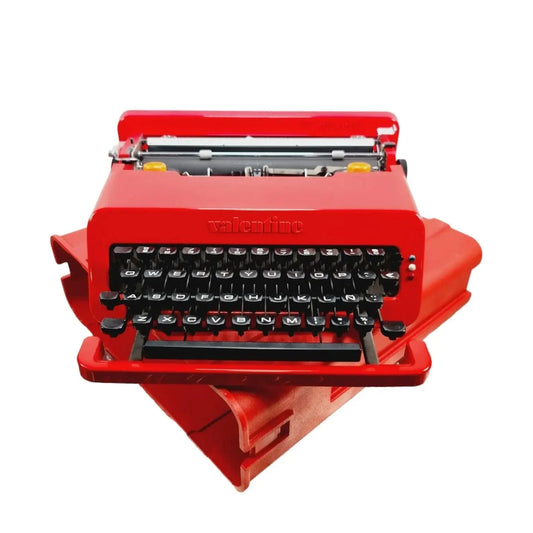
Olivetti Valentine S, Red Manual Vintage Typewriter, Serviced
Normaler Preis €450,00 EURNormaler Preis -
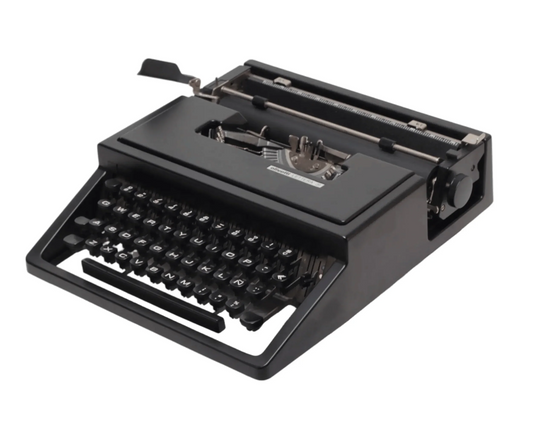
Olivetti Dora, Black Portable Manual Vintage Typewriter, Restored
Normaler Preis €360,00 EURNormaler Preis -
Olivetti Lettera 35 Matte Black, Manual Vintage Typewriter, Restored
Normaler Preis €450,00 EURNormaler Preis€0,00 EURVerkaufspreis €450,00 EUR -
Hermes Baby Grey Manual Vintage Typewriter, Portable, Refurbished
Normaler Preis €450,00 EURNormaler Preis€0,00 EURVerkaufspreis €450,00 EUR -
Iconic Olivetti Lettera 35 Yellow Vintage, Manual Typewriter, Restored
Normaler Preis €450,00 EURNormaler Preis€0,00 EURVerkaufspreis €450,00 EUR



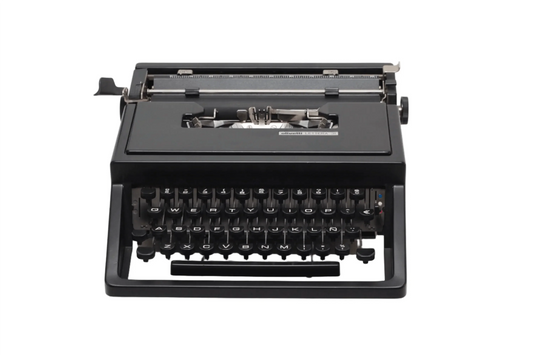
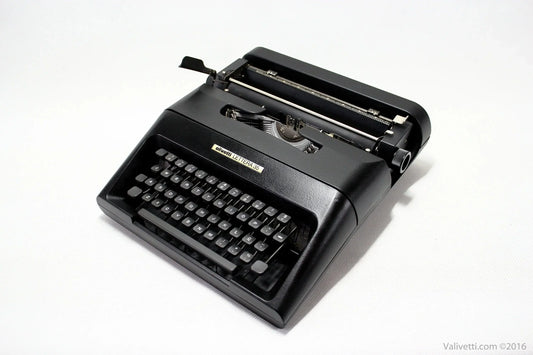
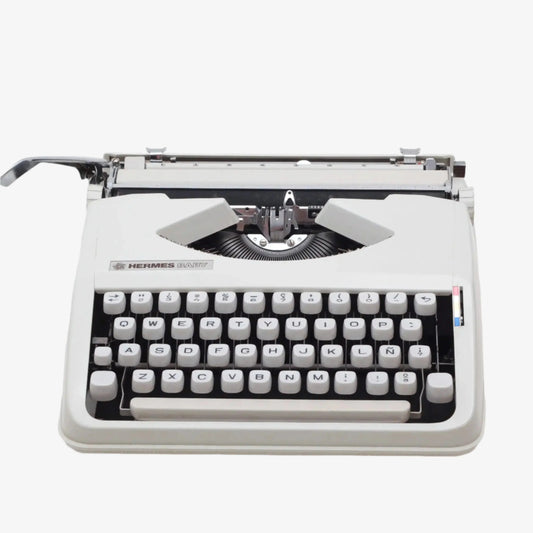
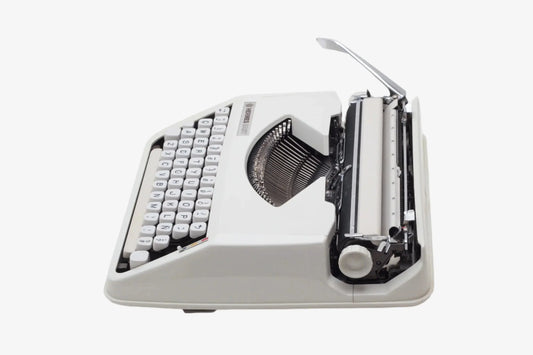
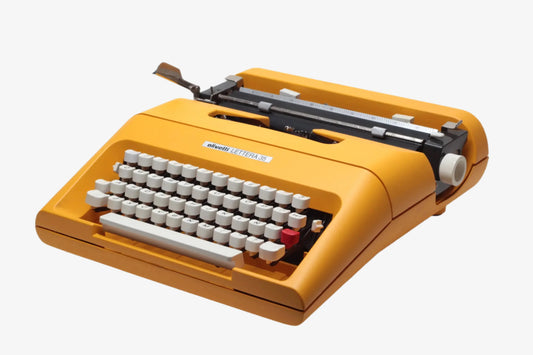
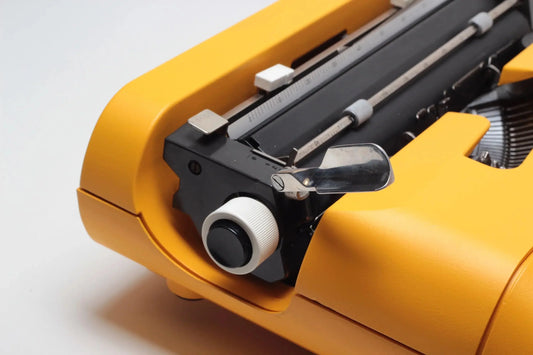
The Ideal Typewriter! Your Call
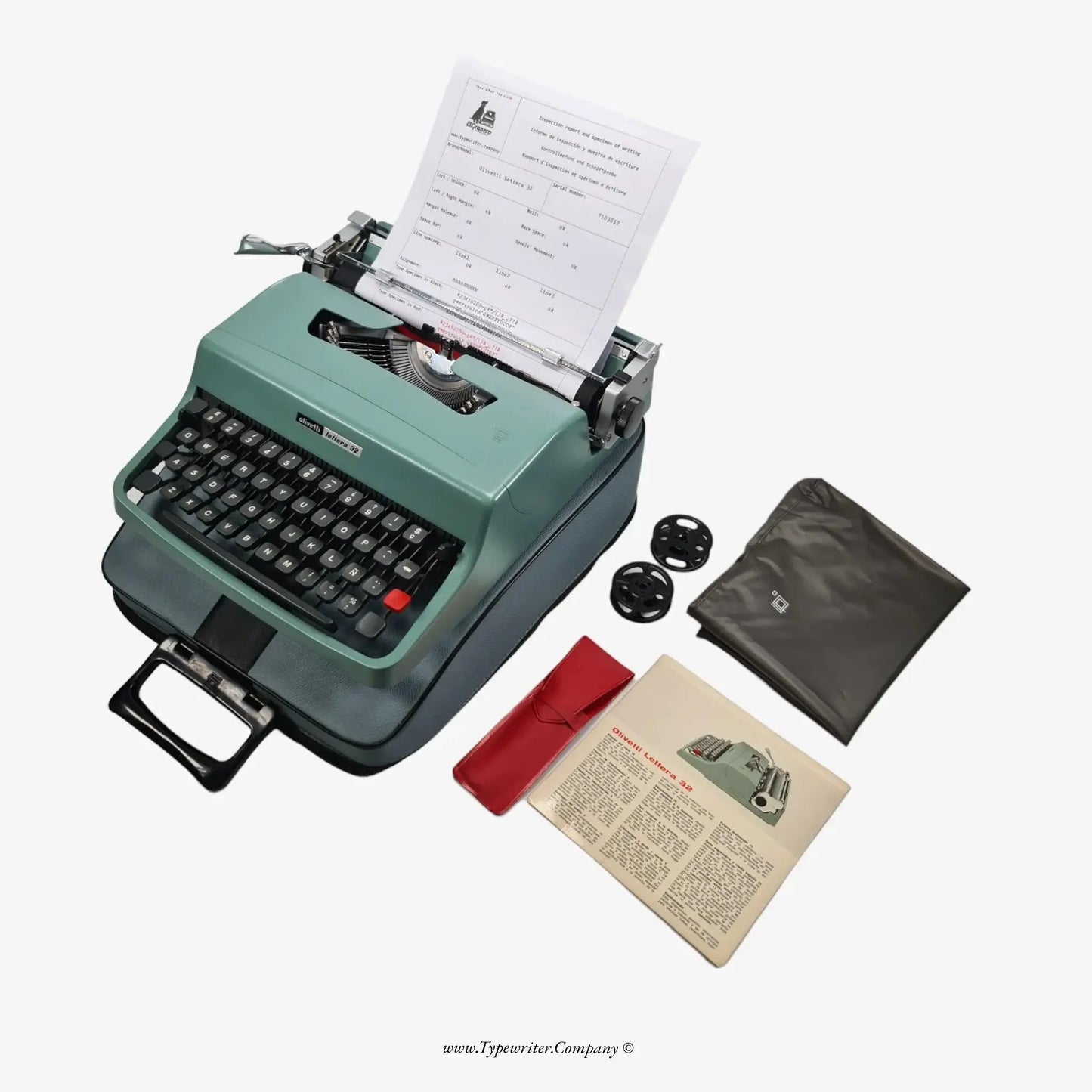
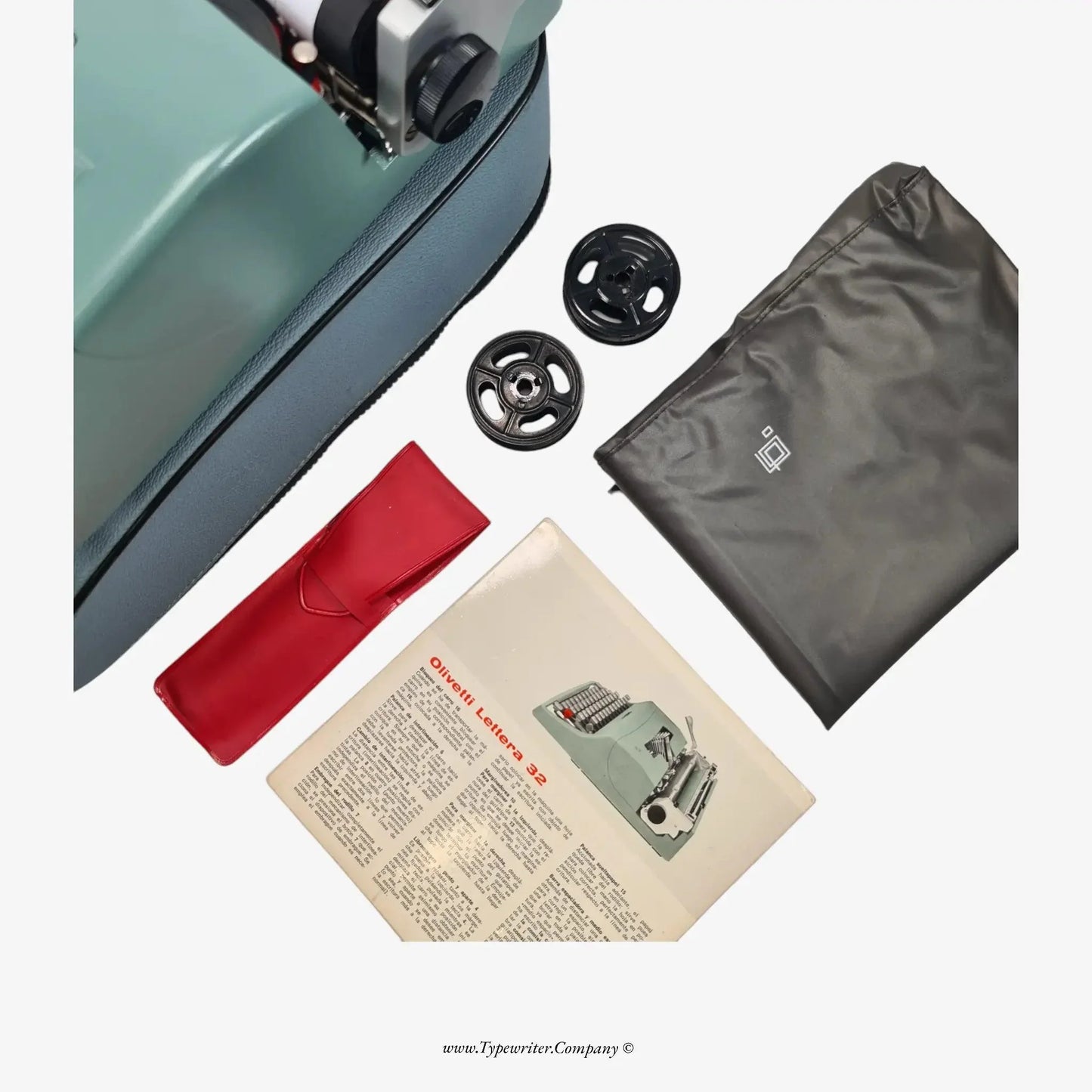
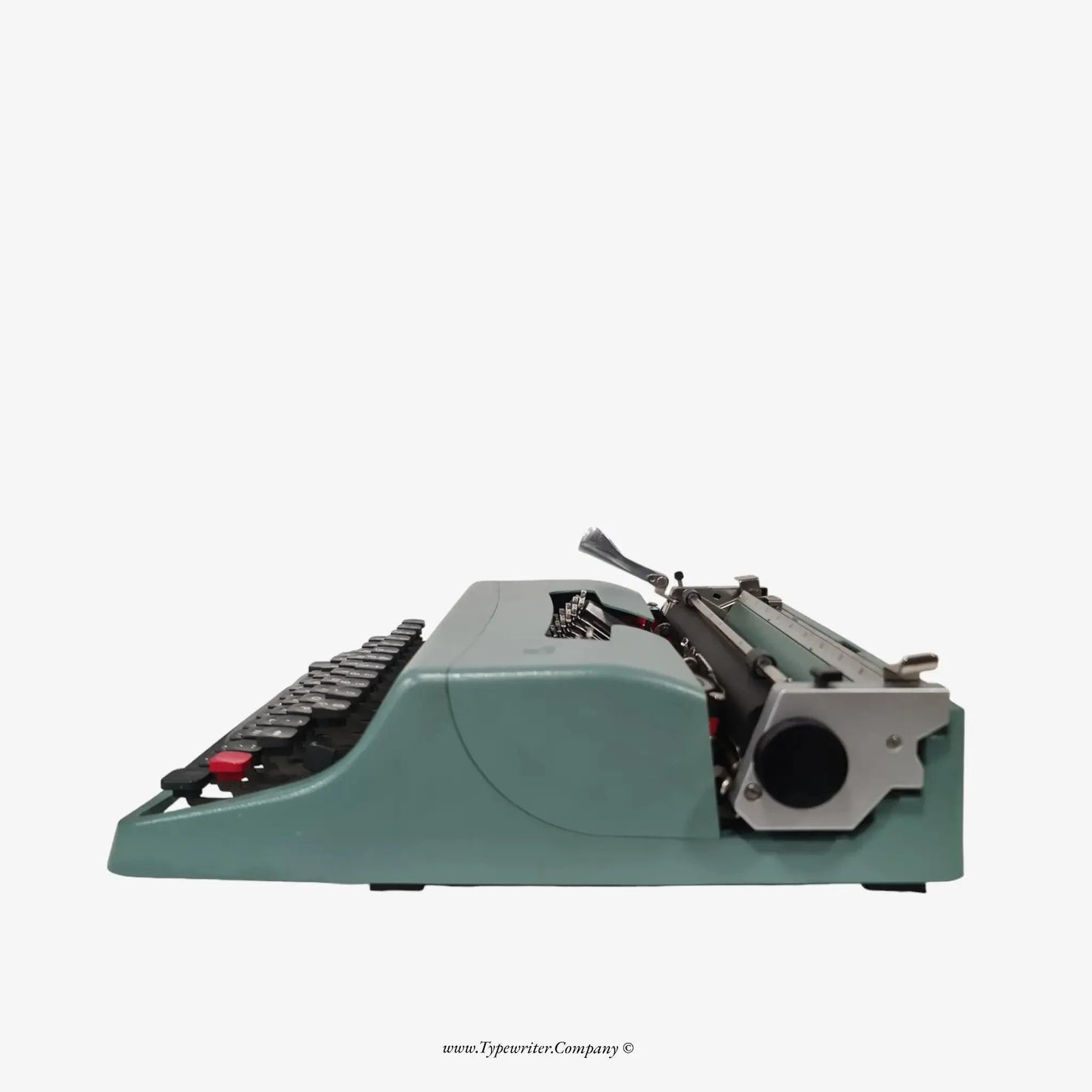
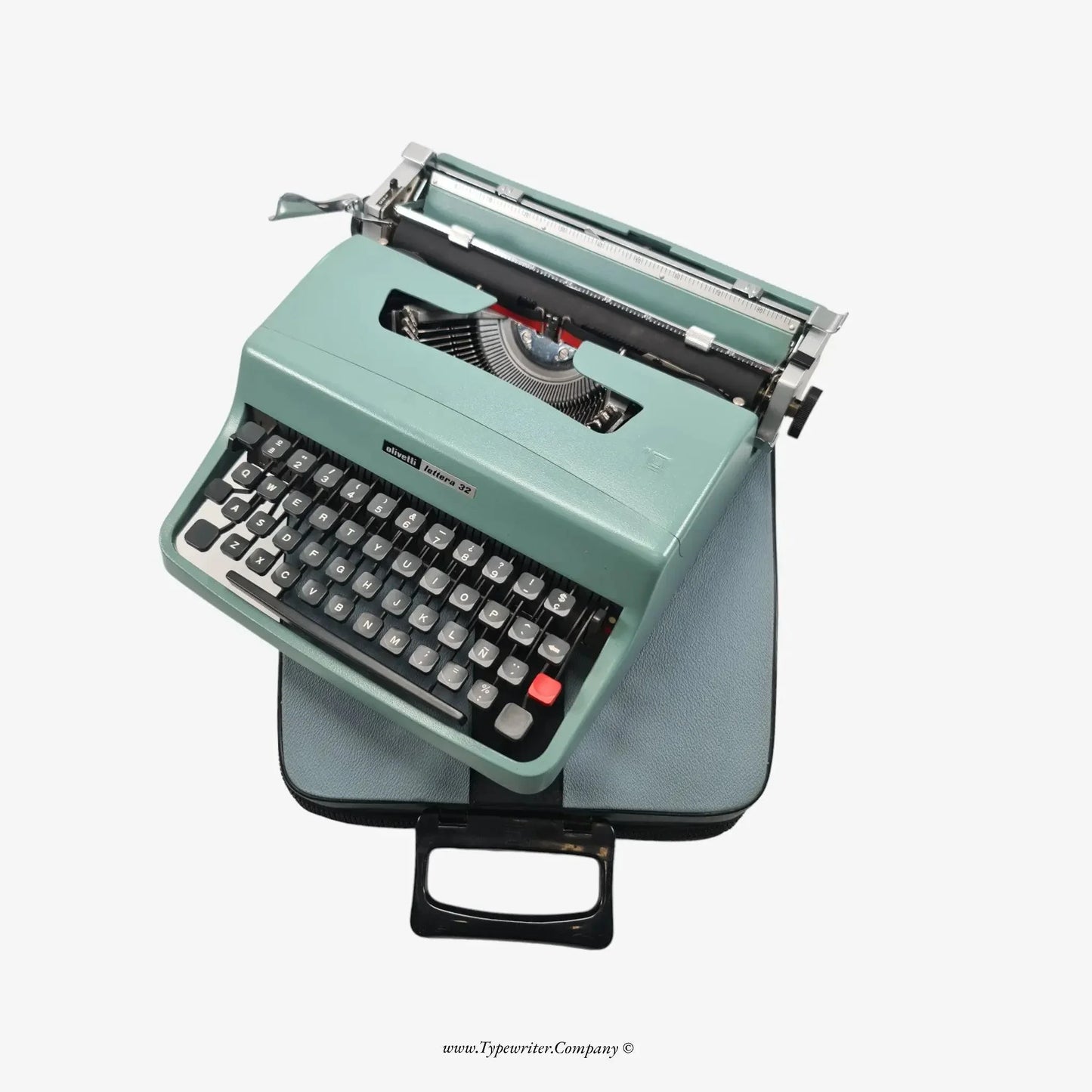
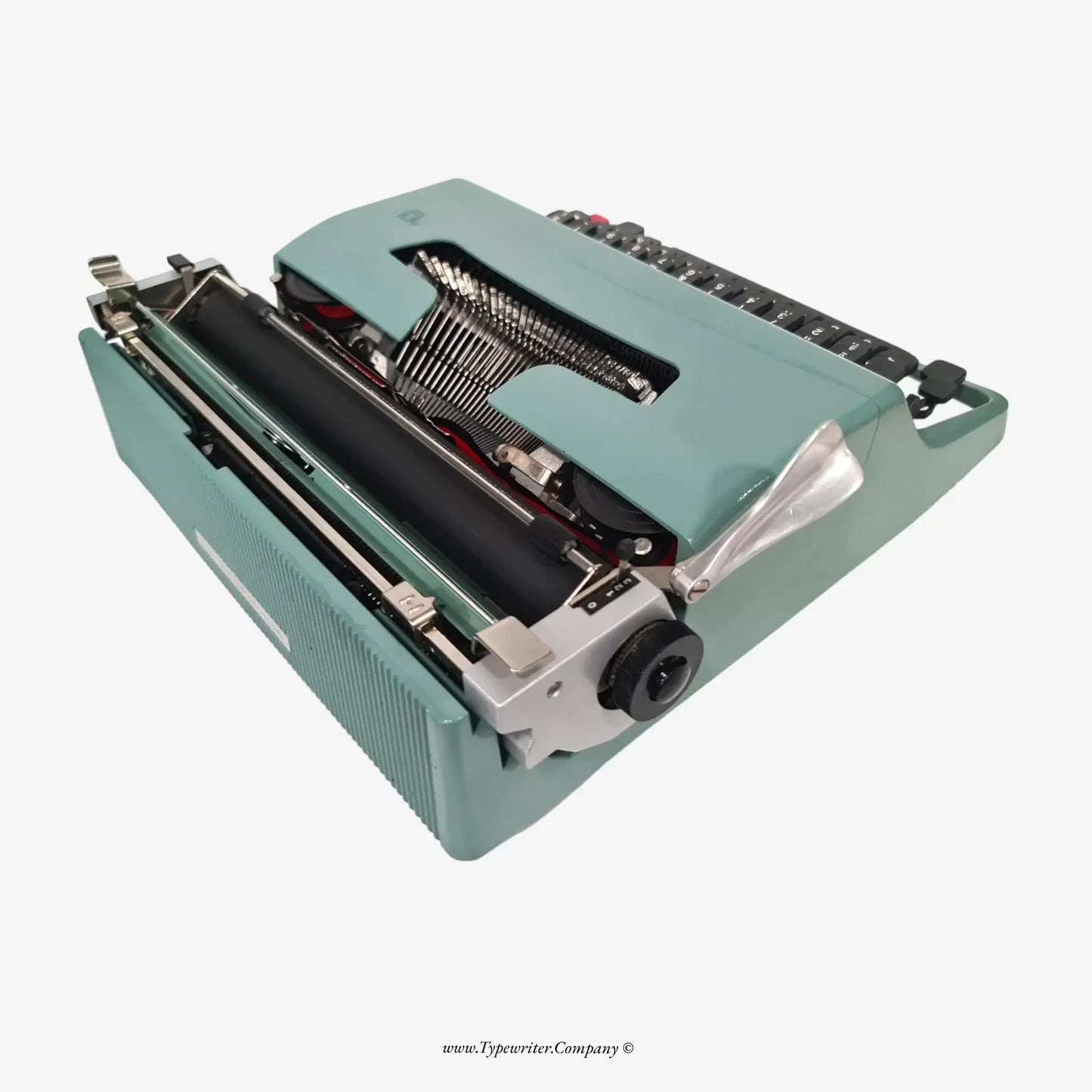
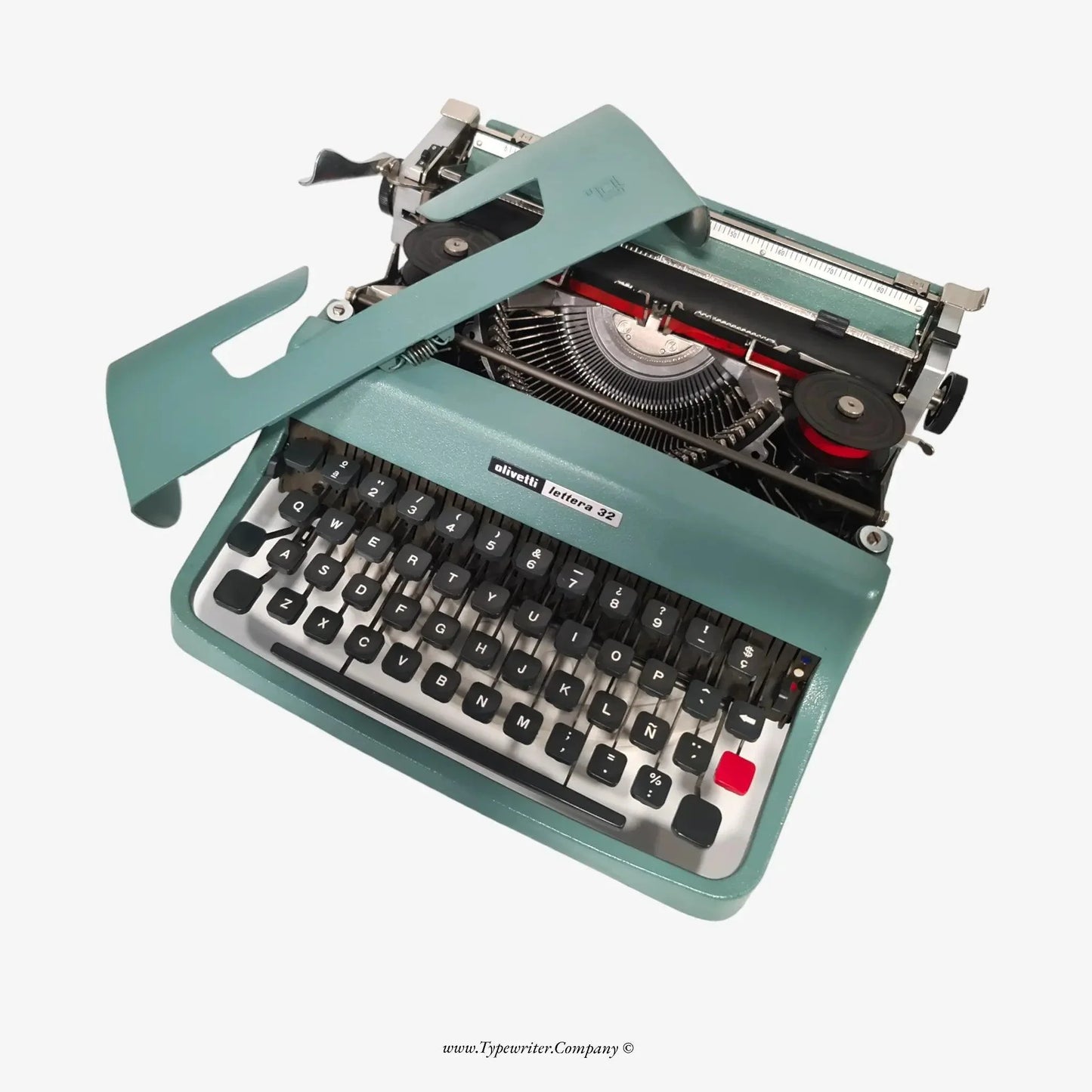
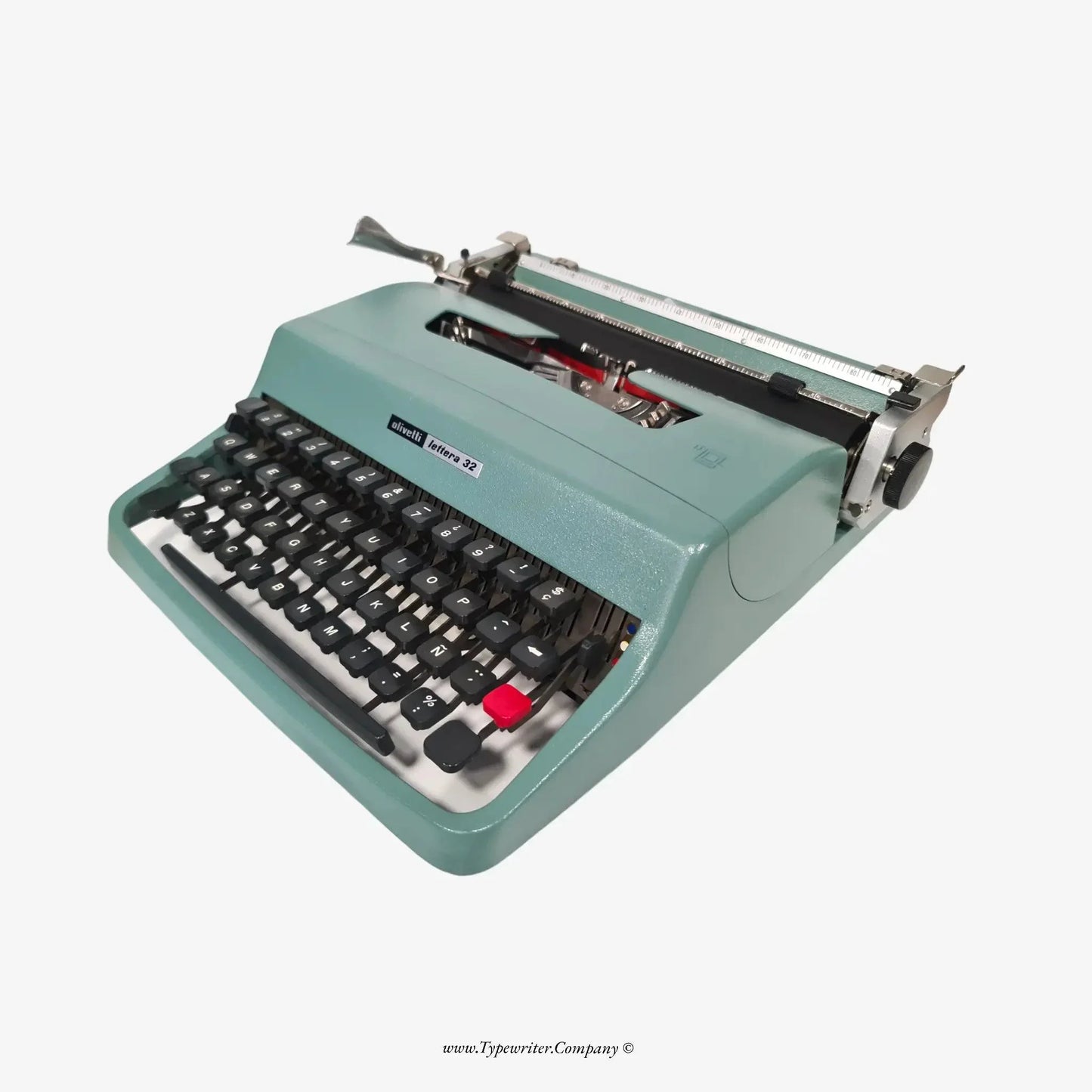
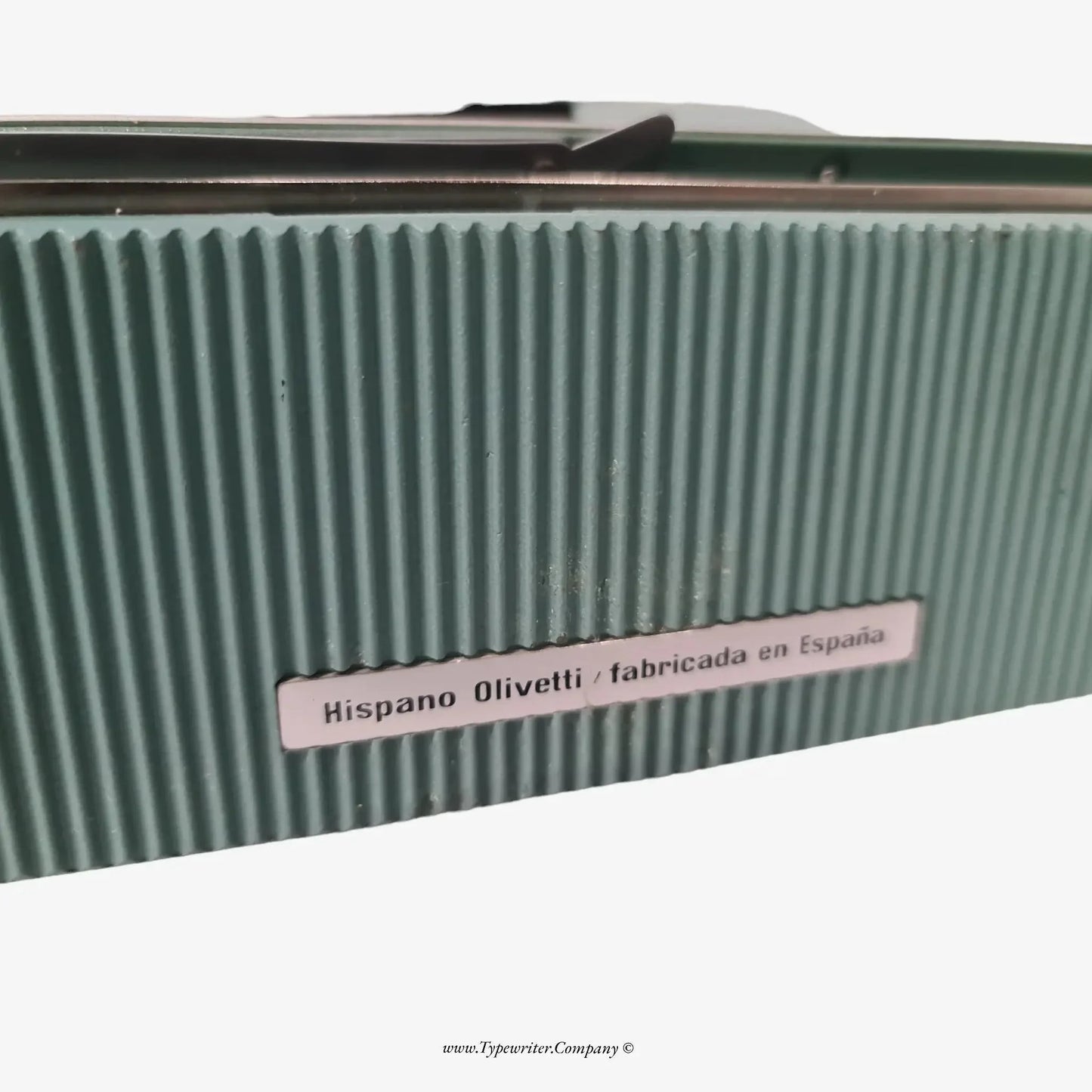
The Top Pick! Olivetti Lettera 32
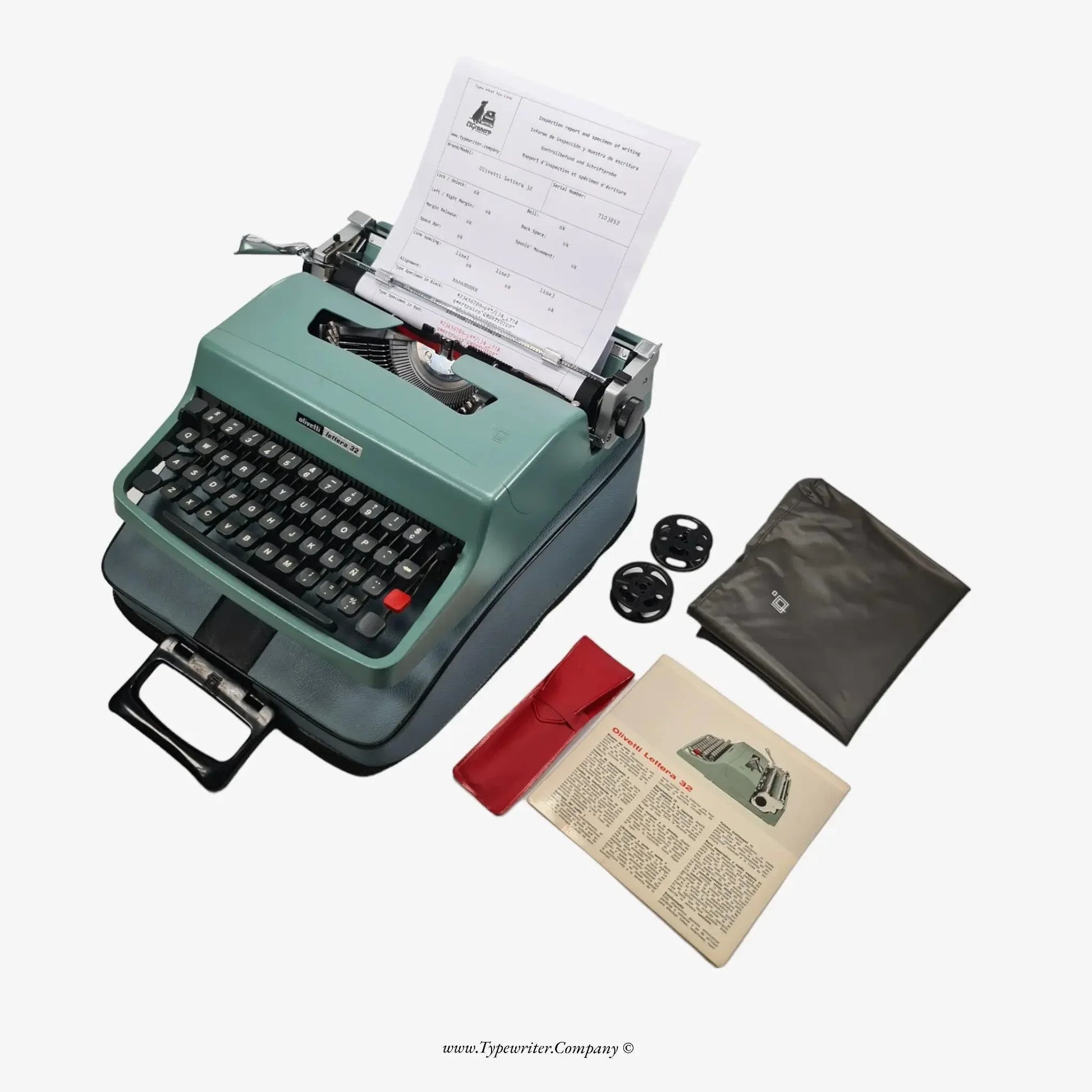
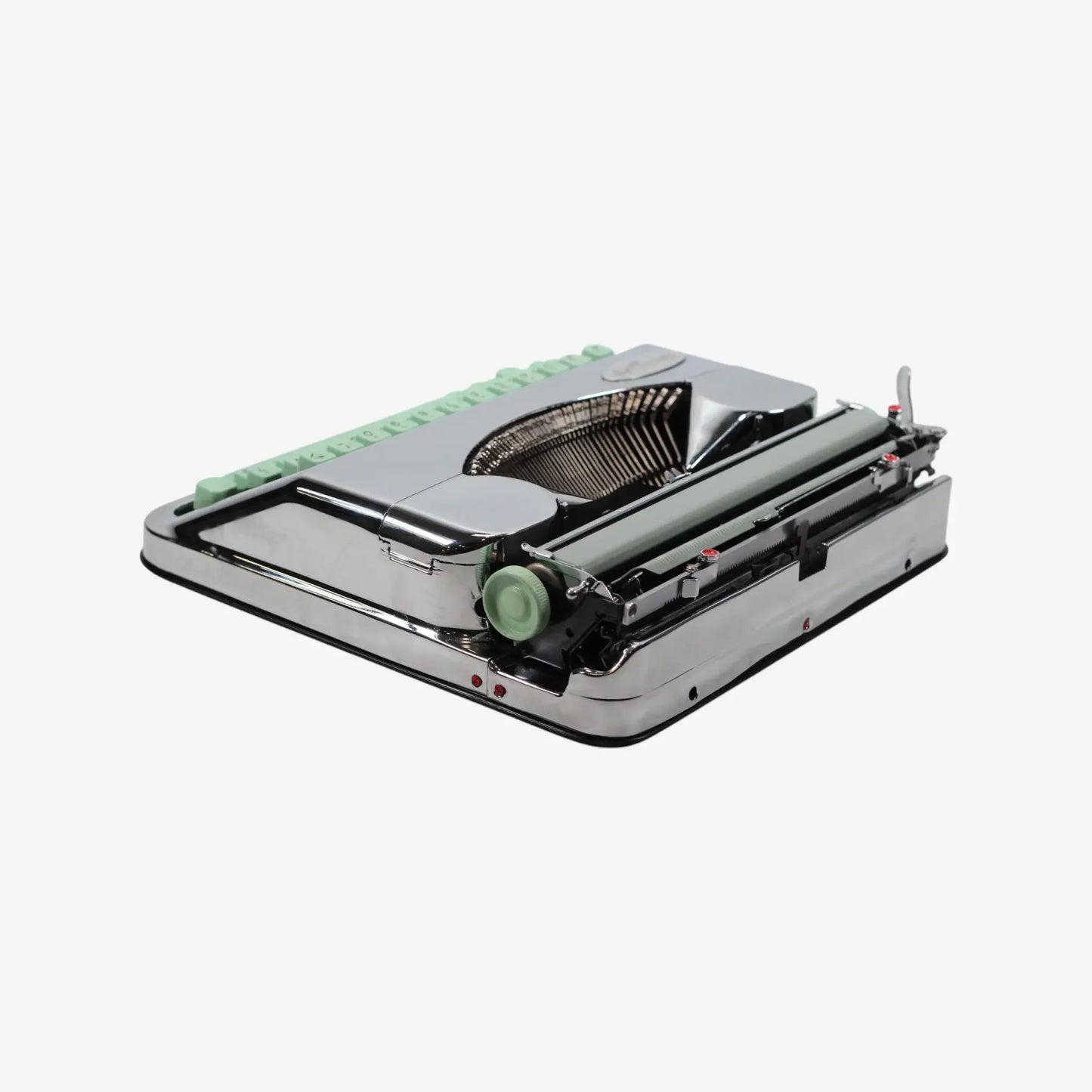
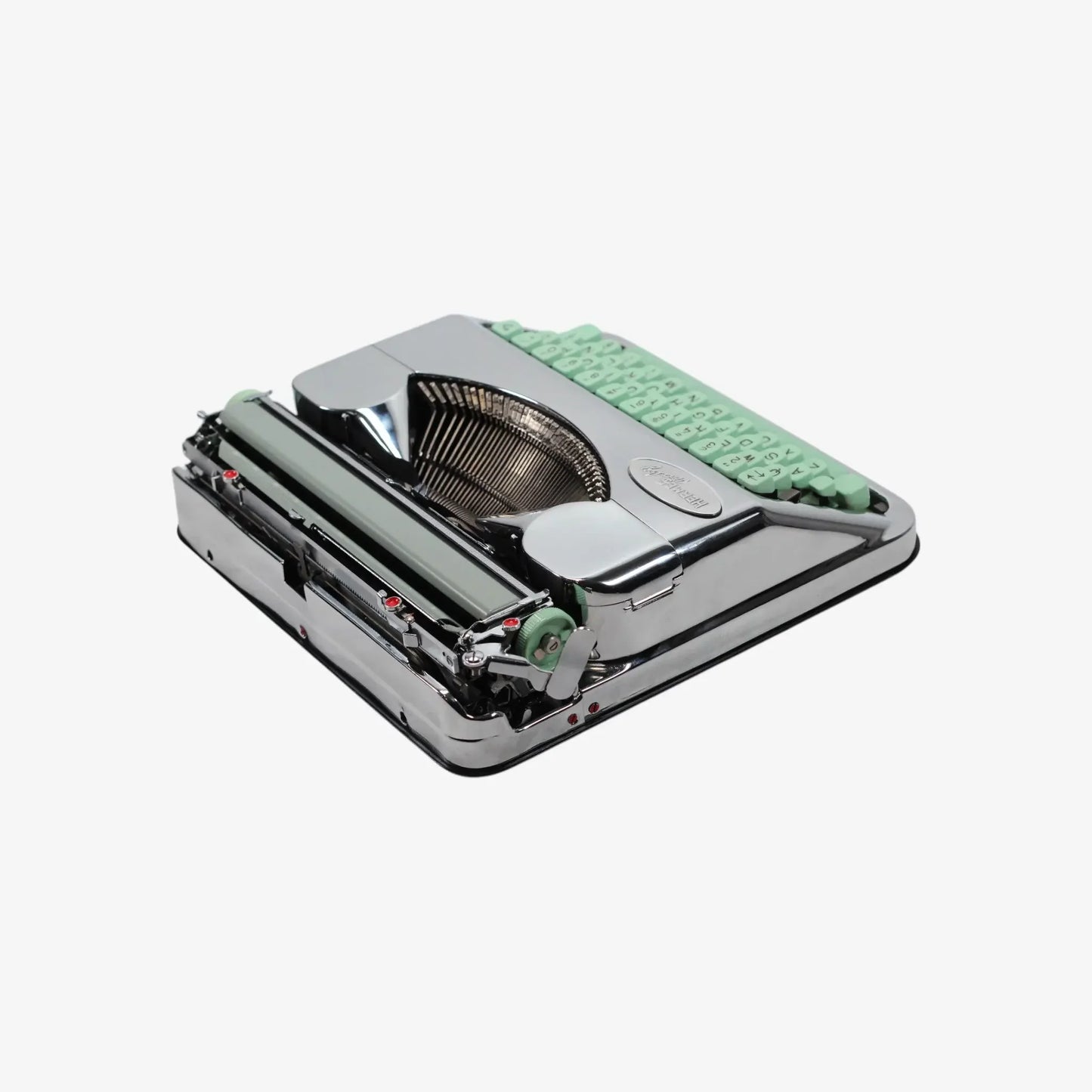
OUTLET - Quality Typewriters at Affordable Prices
-
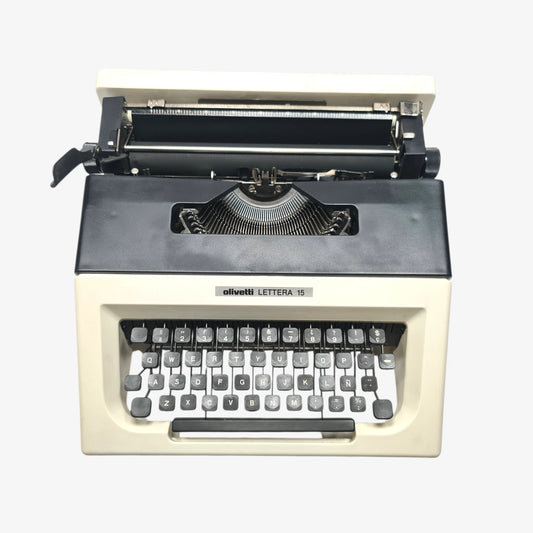
Olivetti Lettera 15 Vintage Manual Typewriter - Fully Serviced - Classic Pica
Normaler Preis €150,00 EURNormaler Preis€300,00 EURVerkaufspreis €150,00 EURSale -
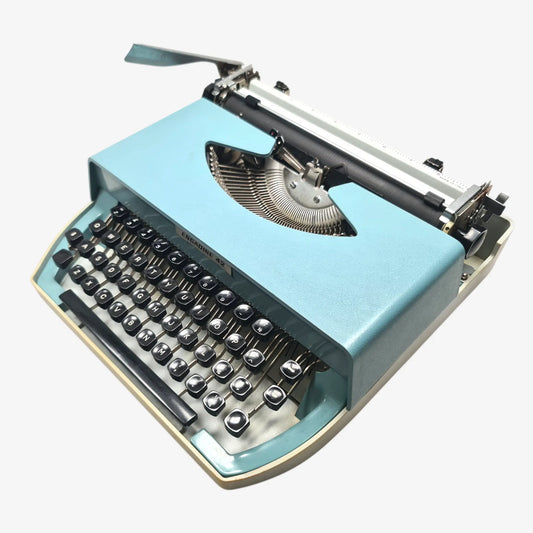
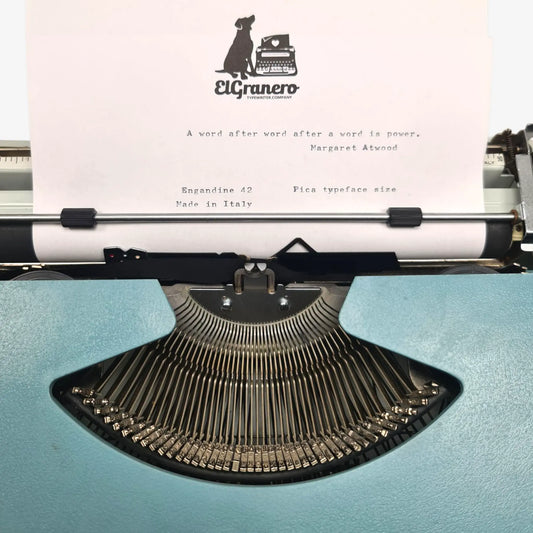
Engadine 42- Restored 1970s Portable Typewriter (QWERTY, Pica Typeface, Made in Italy)
Normaler Preis €150,00 EURNormaler Preis€300,00 EURVerkaufspreis €150,00 EURAusverkauft -
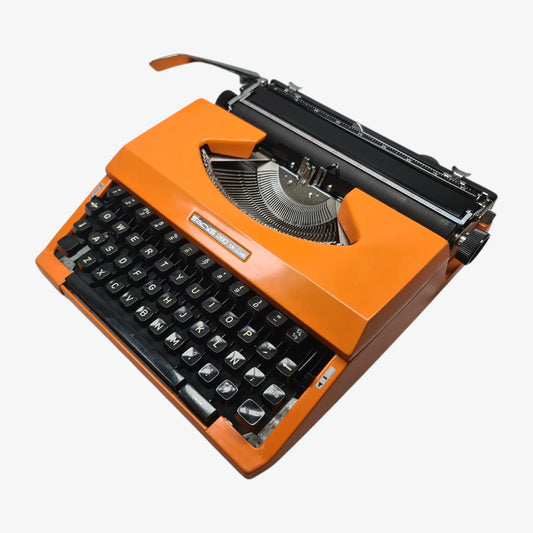
Sacys 280 De Luxe- Restored 1970s Portable Typewriter (QWERTY, Orange)
Normaler Preis €150,00 EURNormaler Preis€300,00 EURVerkaufspreis €150,00 EURAusverkauft -
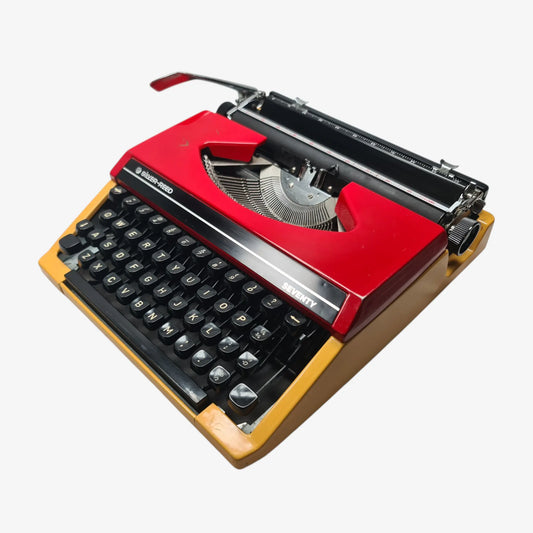
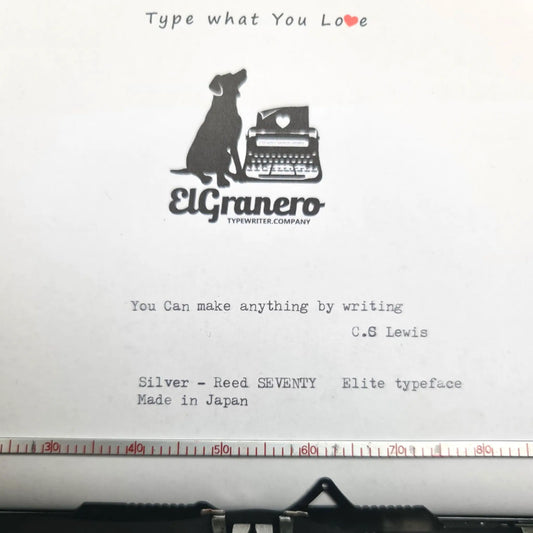
Silver-Reed Seventy- Restored 1970s Portable Typewriter (QWERTY, Elite Typeface)
Normaler Preis €130,00 EURNormaler Preis€260,00 EURVerkaufspreis €130,00 EURAusverkauft -
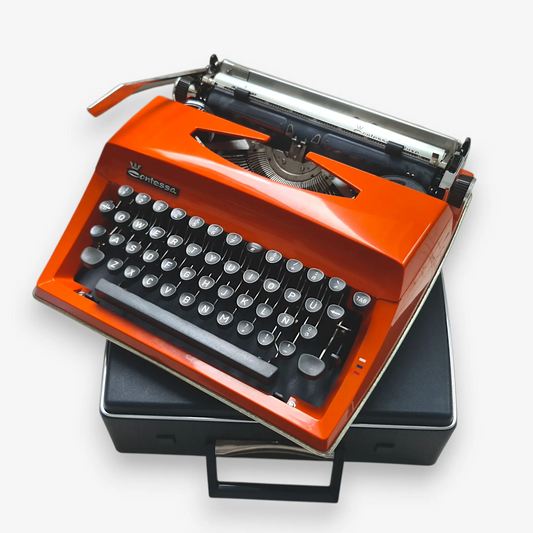
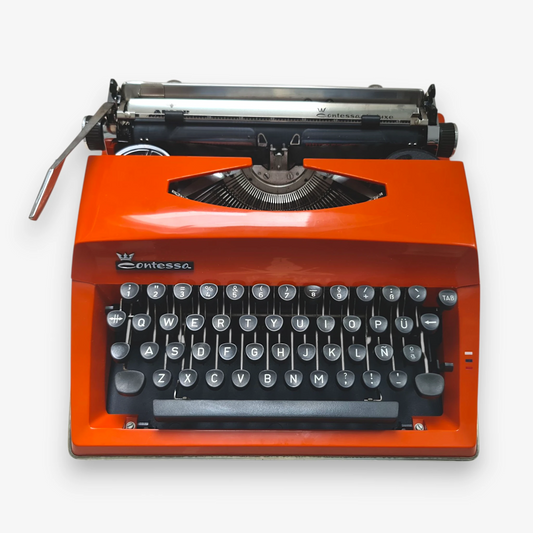
SOLD! Adler Contessa DeLuxe Typewriter, Portable Vintage QWERTY Typewriter
Normaler Preis €0,00 EURNormaler Preis€0,00 EURVerkaufspreis €0,00 EURAusverkauft -
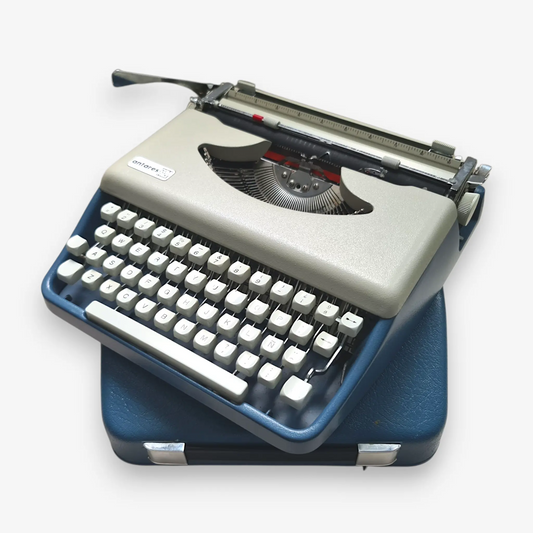
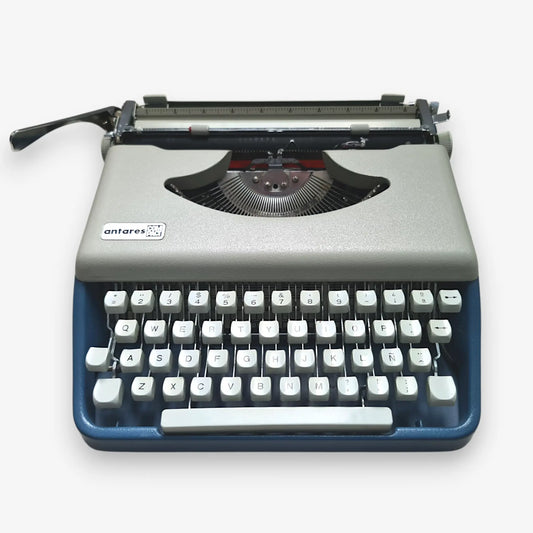
SOLD! Antares Compact Typewriter, QWERTY working vintage typewriter
Normaler Preis €0,00 EURNormaler Preis€0,00 EURVerkaufspreis €0,00 EURAusverkauft -
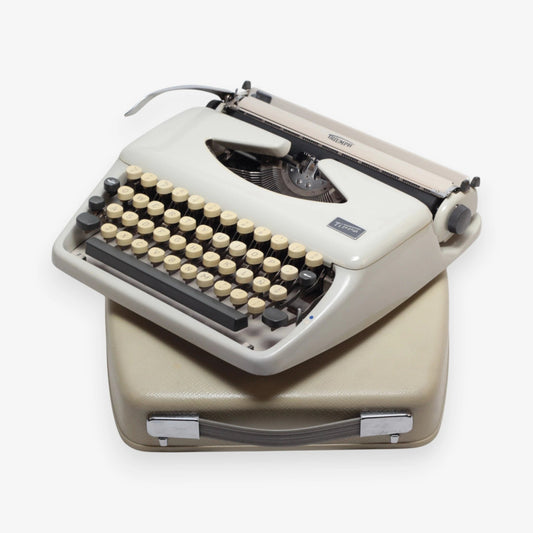
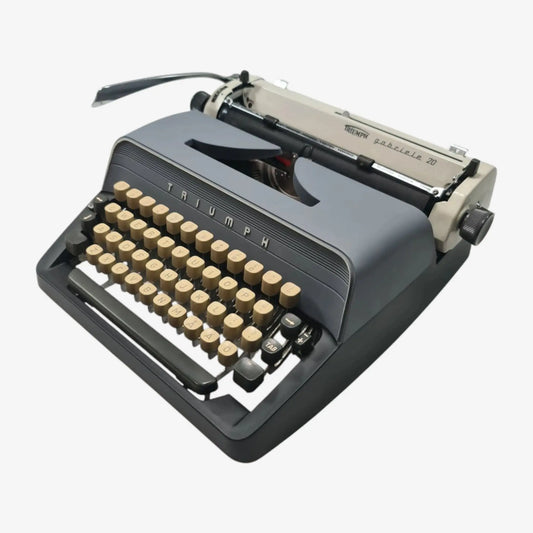
Triumph Gabrielle 20 Manual Vintage Typewriter, QWERTY, Refurbished
Normaler Preis €0,00 EURNormaler Preis€400,00 EURVerkaufspreis €0,00 EURAusverkauft -
Adler Tippa S, Burgundy Manual Vintage Typewriter, QWERTZ, Serviced
Normaler Preis €210,00 EURNormaler Preis€420,00 EURVerkaufspreis €210,00 EURSale -
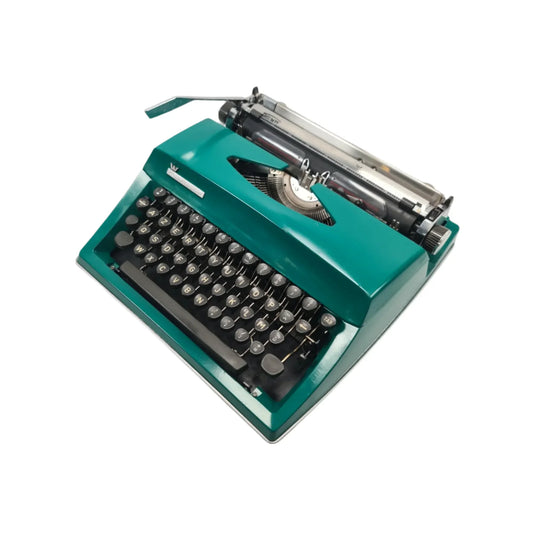
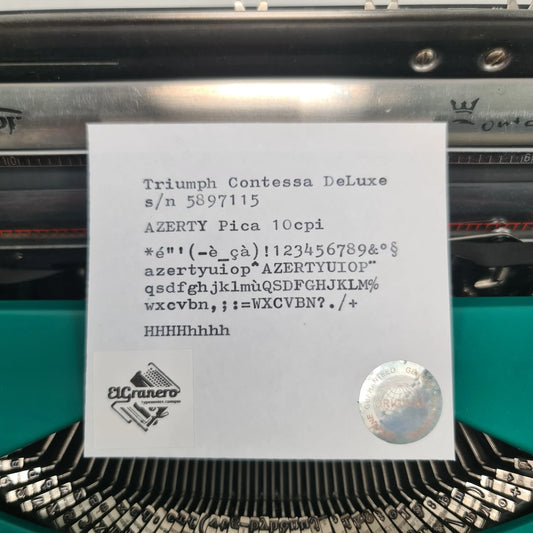
Triumph Contessa, Green Manual Vintage Typewriter, AZERTY, Serviced
Normaler Preis €0,00 EURNormaler Preis -
Olivetti Studio 46 Typewriter, Vintage Manual, Refurbished, QWERTY Keyboard
Normaler Preis €190,00 EURNormaler Preis€380,00 EURVerkaufspreis €190,00 EURSale -
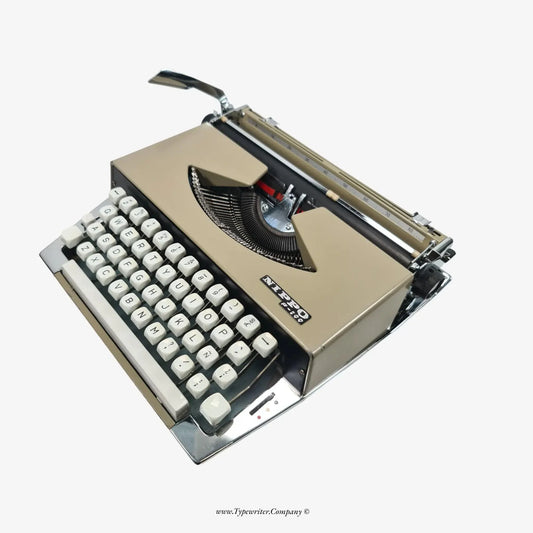
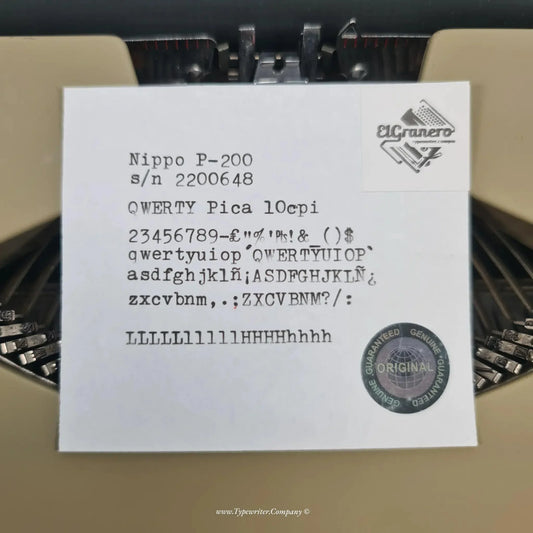
Nippo P-200 Manual Vintage Typewriter, Serviced, Qwerty Keyboard
Normaler Preis €150,00 EURNormaler Preis€300,00 EURVerkaufspreis €150,00 EURSale -
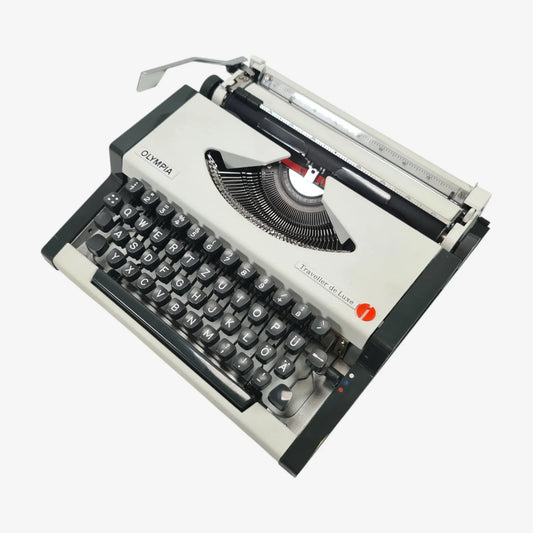
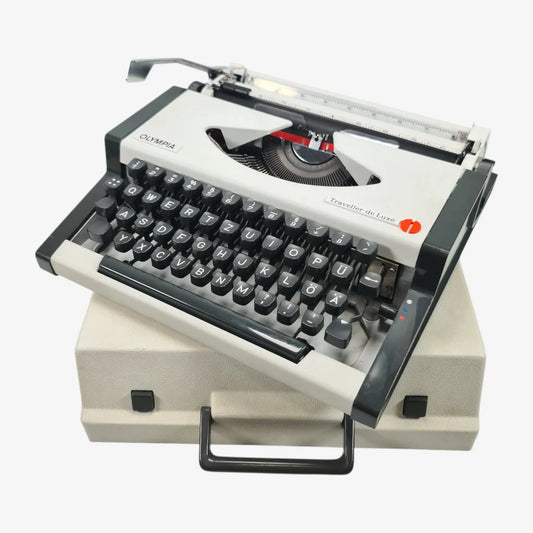
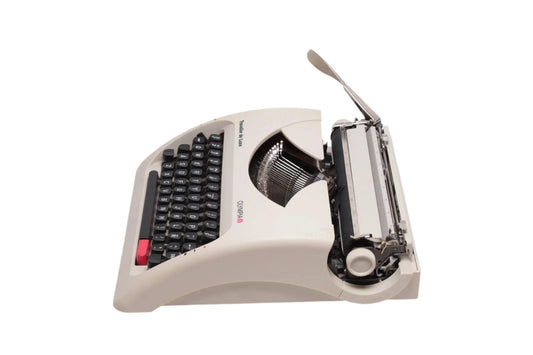
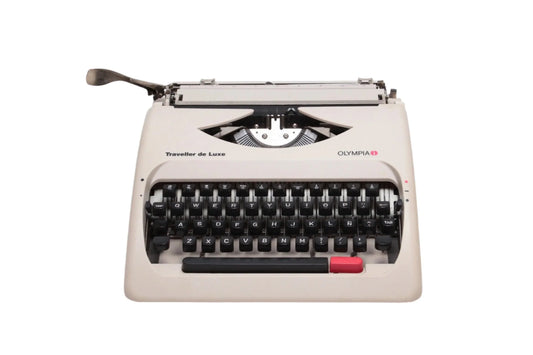
Olympia Traveller De Luxe Manual Vintage Typewriter, Portable, Serviced
Normaler Preis €135,00 EURNormaler Preis€270,00 EURVerkaufspreis €135,00 EURSale -
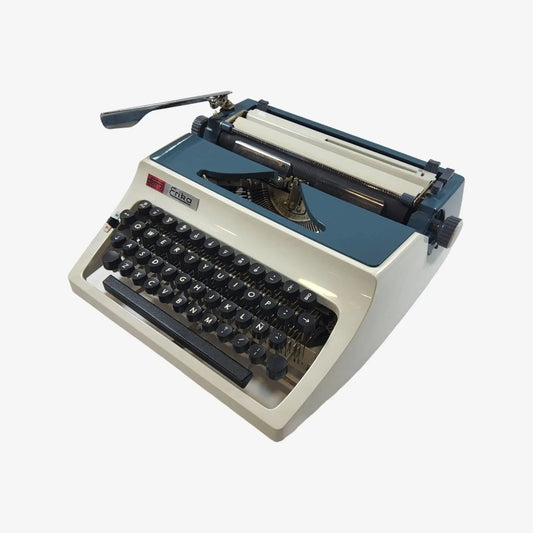
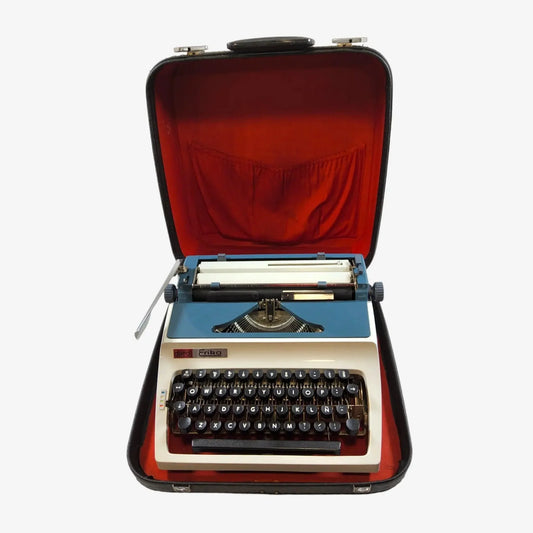
Erika Daro mod.32, Light Gray&Blue Manual Vintage Typewriter, Serviced
Normaler Preis €145,00 EURNormaler Preis€290,00 EURVerkaufspreis €145,00 EURSale -
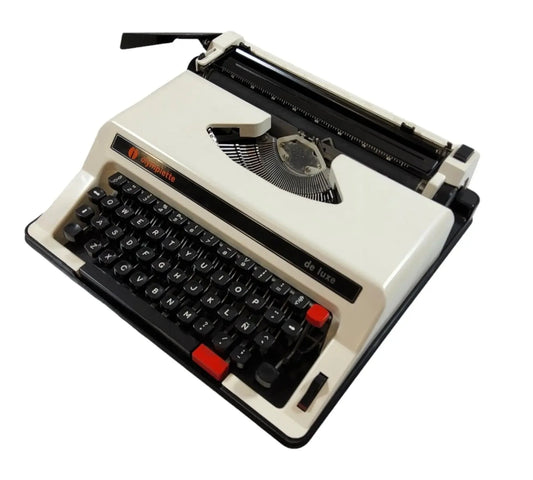
Olympiette DeLuxe, Gray Manual Vintage Typewriter, Serviced
Normaler Preis €145,00 EURNormaler Preis€290,00 EURVerkaufspreis €145,00 EURSale -
Olivetti Lettera 35, Gray Manual Vintage Typewriter, Restored
Normaler Preis €190,00 EURNormaler Preis€380,00 EURVerkaufspreis €190,00 EURSale -
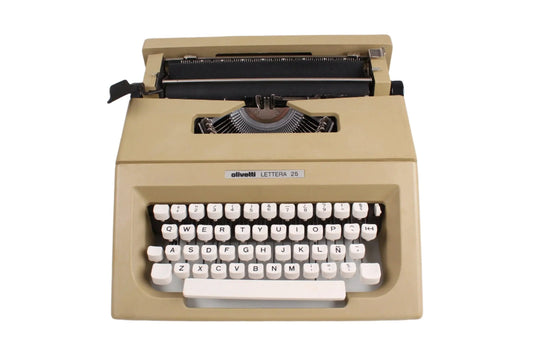
Olivetti Lettera 25 Beige, Vintage Manual Typewriter, Serviced
Normaler Preis €130,00 EURNormaler Preis€260,00 EURVerkaufspreis €130,00 EURAusverkauft -
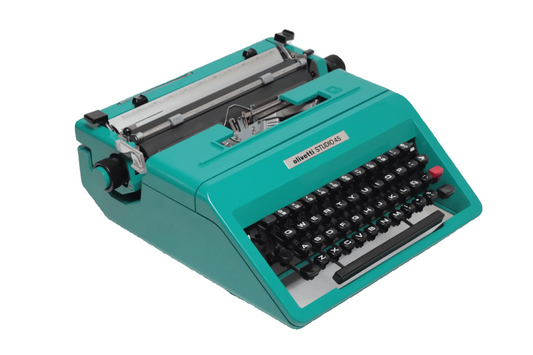
Olivetti Studio 45 Turquoise Vintage Manual Typewriter, Serviced
Normaler Preis €245,00 EURNormaler Preis€490,00 EURVerkaufspreis €245,00 EURSale -
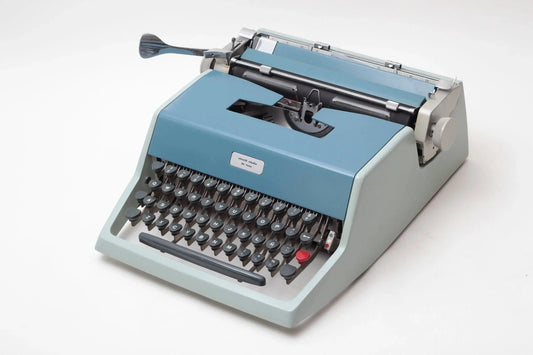
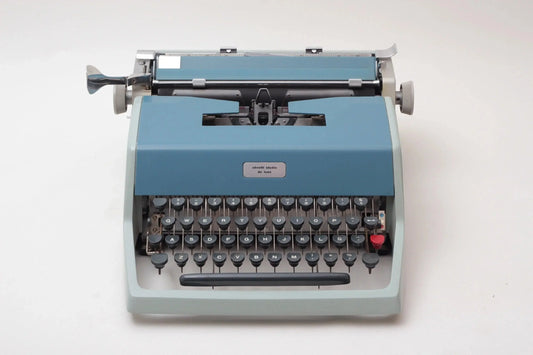
Olivetti Studio De Luxe, Blue&Grey Manual Vintage Typewriter, Serviced
Normaler Preis €195,00 EURNormaler Preis€390,00 EURVerkaufspreis €195,00 EURSale -
Olivetti Lettera 35 Beige, Vintage Manual Typewriter, Restored
Normaler Preis €190,00 EURNormaler Preis€380,00 EURVerkaufspreis €190,00 EURSale -
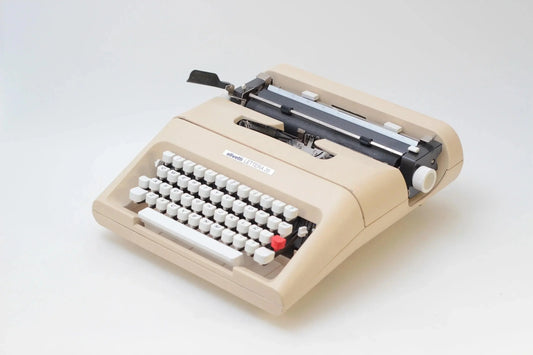
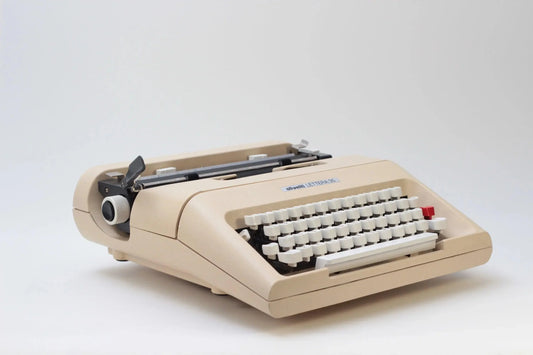
Olympia Traveller Beige, Vintage Manual Typewriter, Restored
Normaler Preis €140,00 EURNormaler Preis€280,00 EURVerkaufspreis €140,00 EURSale



Keep it Covered
Store your typewriter in its case or under a dust cover when not in use. Avoid damp and sunny areas. Store your machine in a dry, environment with stable temperature and humidity.
Clean Regularly
Use a soft brush or compressed air to eliminate dust between keys and inside mechanisms. Having cats or dogs? Cover it at all times to prevent extra cleaning ;)
Wipe the Exterior
Use a soft, slightly damp cloth to remove smudges and fingerprints; avoid harsh cleaners. Avoid aggressive liquids as they can harm varnish, paint, or plastic elements.
Lubricate Sparingly
Apply a drop of lightweight oil (like Liquid Bearings) only to pivot points and never over-oil.
Replace Ribbon
Change ribbons every few months or when prints start to fade. If letters start to fade quicker, just check the spool's movement to see if everything works fine. Maybe it is the direction lever or something that is stuck.
Handle Carriage Gently
Return the carriage smoothly; avoid slamming to prevent damage. Handle the carriage with care during the return process to maintain its functionality and appearance. Be gentle, it is your best writing companion.
Release Roller Tension
Never leave paper clamped in the platen for long periods; release the rollers' tension before storage. Proper care for your platen includes releasing the rollers' tension before storing your typewriter.
Use It Regularly
Write a lot! At least create small notes, one or two poems to fill an A4 page each month to power the machine; typewriters run smoothly without lubrication. Consistent writing ensures elite performance and enduring strength.
Read More
Typewriter Care & Maintenance Guide
Welcome to the ultimate care and maintenance guide for your typewriter. By following these simple yet effective steps, you can ensure your machine remains in excellent working condition for decades, delivering smooth, reliable performance.
Basic Care
1. Dust Prevention

- Keep your typewriter covered or stored in its case when not in use.
- If dust settles, gently blow it out with an air canister or a soft brush.
2. Proper Storage
- Avoid damp or humid areas to prevent rust and mildew.
- If stored long-term, check periodically for musty odours and air it out if needed.
- Ideal climate: 40–80°F (4–27°C) with 30–50% humidity.
Cleaning & Maintenance

3. Light Cleaning
- Wipe exterior surfaces with a soft, dry cloth.
- Use a soft brush or compressed air to clean between keys and mechanisms.
- For chrome or nickel parts, use rubbing alcohol or a gentle metal polish.
- Avoid wax on crinkle paint finishes—it may damage the surface.
4. Lubrication
- Use lightweight oils (e.g., Liquid Bearings, sewing machine oil, spindle oil) sparingly.
- Avoid over-oiling, which attracts dust.
- Never oil the type bars or slugs.
- Mineral spirits or specialised lubricants can help free stiff parts.
5. Ribbon Replacement
- Replace the ribbon every few months or when the print becomes faint.
- Later-model machines have simplified ribbon-loading—check your manual.
Handling & Operation
6. Carriage Use
- Return the carriage gently—never slam it.
- Check and reset margins periodically for smooth movement.
- Lock or secure the carriage when transporting or storing.
7. Roller Care
- Never leave paper clamped in the platen long-term—it can damage the rollers.
- Use the paper release lever to release tension during storage.
Troubleshooting Common Issues
8. Drawband Issues
- A slipping or broken drawband is the most common mechanical issue.
- Usually a minor fix—it can be adjusted or replaced quickly.
9. Mechanical Problems
- For sticking keys, uneven spacing, or carriage jams, start with cleaning and lubrication.
- Persistent problems may require professional service or virtual support.
Professional Maintenance
10. Regular Check-Ups
- Have your typewriter professionally serviced every few years, especially if heavily used.
11. Finding a Technician
- Many cities still have skilled vintage typewriter technicians for repairs and restoration.
The Rhythm of the Keys
- Regular use keeps your typewriter healthy—type at least a page every month or two.
- This spreads lubrication, prevents stiff parts, and ensures smooth performance.
Frequently Asked Questions (FAQ)
What basic maintenance do I need to do?
Very little! Keep it clean, covered, and lightly oiled (only when necessary). Avoid dust buildup and change the ribbon regularly.
How often should I change the ribbon?
Every 2–6 months, depending on usage and print darkness preference.
What if something stops working?
We offer virtual troubleshooting and support. Most issues—like a slipping drawband—are easy to fix with guidance.
Do I need to oil my typewriter often?
No. Over-oiling can cause damage. A light application every few years or when the machine feels stiff is enough.
What if my machine smells musty?
This often comes from old cases or covers. Air it out in a dry room and avoid damp storage spaces.
Can I store it long-term without damage?
Yes. Release roller tension, store in a stable climate, and check it every few months.
-
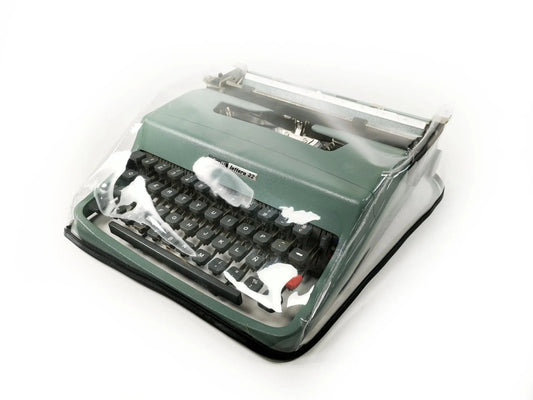
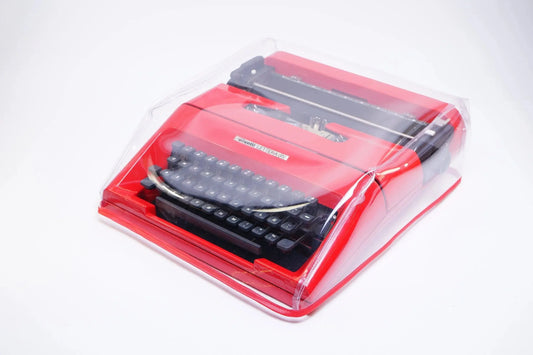
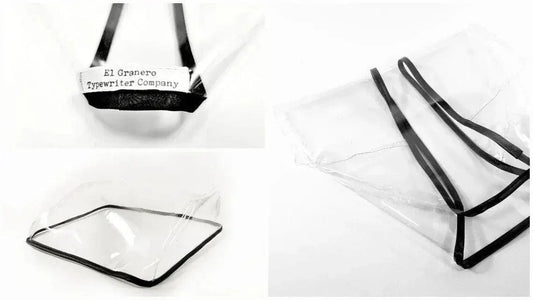
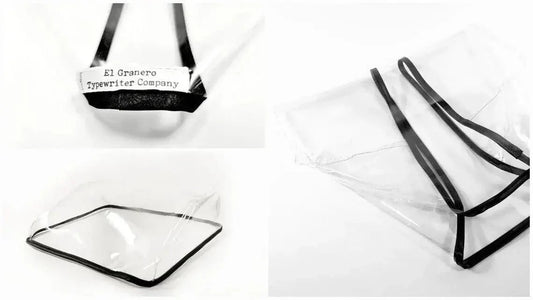
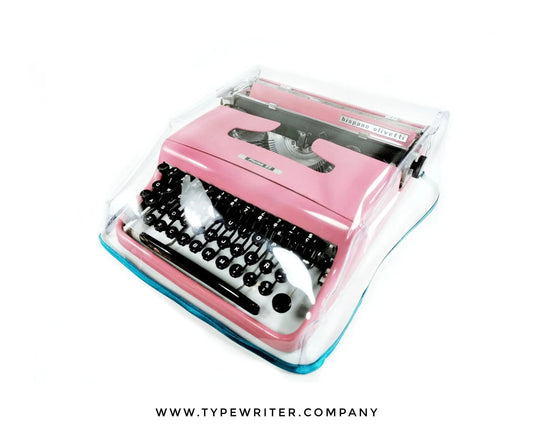
SMALL Transparent Typewriter Dust Cover for Olivetti Lettera 32 / 22
Normaler Preis Von €45,00 EURNormaler Preis -
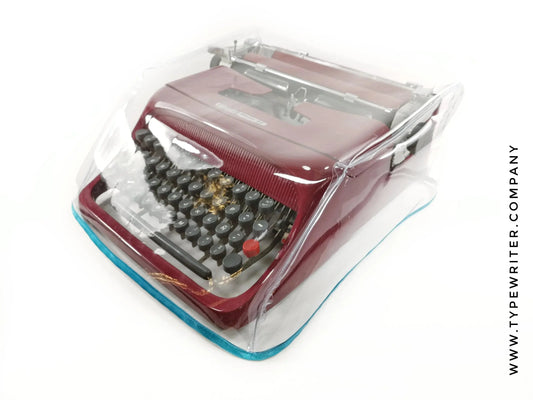
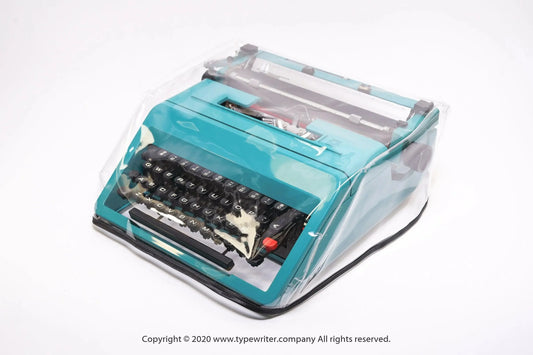
MEDIUM Typewriter Dust Cover for Olivetti Studio 44, Transparent
Normaler Preis Von €52,00 EURNormaler Preis -
XL Transparent Typewriter Dust Cover for Olivetti Linea 98 Typewriter
Normaler Preis Von €80,00 EURNormaler Preis -
MEDIUM Typewriter Dust Cover for Olympia SM, Monica, Transparent
Normaler Preis Von €52,00 EURNormaler Preis -
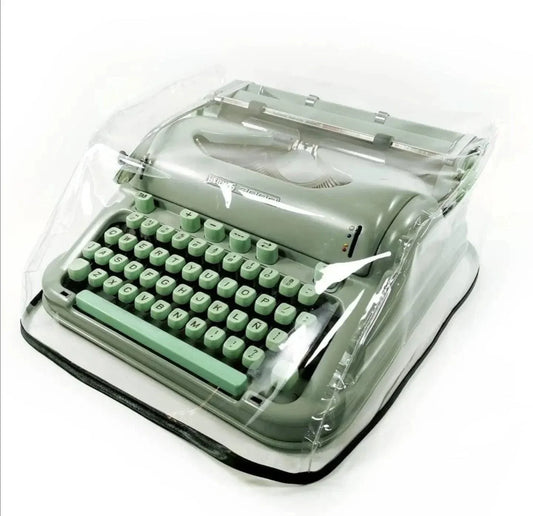
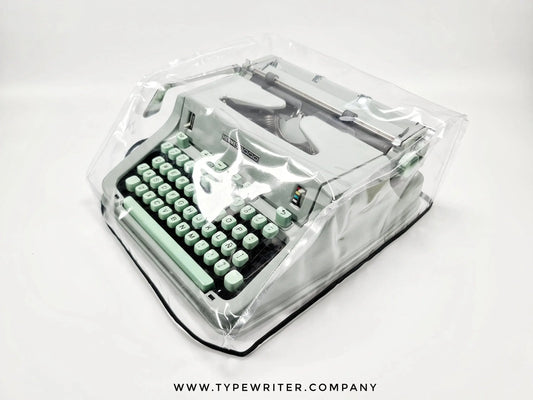
MEDIUM Transparent Typewriter Dust Cover for Hermes 3000 (round top)
Normaler Preis Von €52,00 EURNormaler Preis -
OUTLET S, M Transparent Typewriter Dust Cover for Portable Typewriters
Normaler Preis €20,00 EURNormaler Preis€80,00 EURVerkaufspreis €20,00 EURSale -
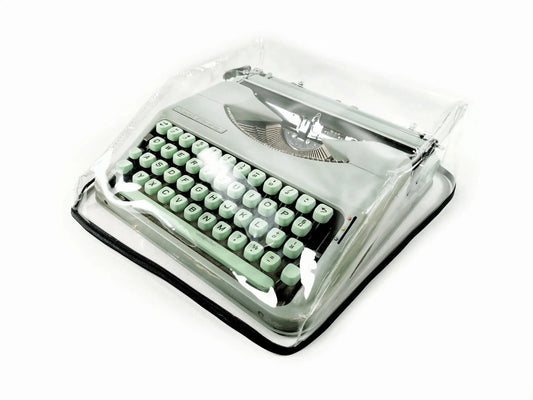
Typewriter Dust Cover Transparent Dust Cover for Hermes Baby / Rocket Typewriter
Normaler Preis Von €45,00 EURNormaler Preis -
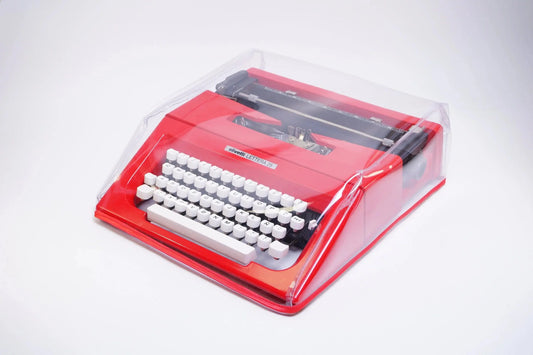
MEDIUM Typewriter Dust Cover for Olivetti Lettera 35/35i Typewriter
Normaler Preis Von €52,00 EURNormaler Preis -
OUTLET XL Transparent Typewriter Dust Cover for a Standard Typewriter
Normaler Preis €25,00 EURNormaler Preis€80,00 EURVerkaufspreis €25,00 EURSale -
MEDIUM Transparent Typewriter Dust Cover for Olivetti Studio 45
Normaler Preis Von €52,00 EURNormaler Preis -
SMALL Transparent Typewriter Dust Cover for Olivetti Lettera / Pluma 22
Normaler Preis Von €45,00 EURNormaler Preis -
MEDIUM Transparent Typewriter Dust Cover for Hermes 3000 (square top)
Normaler Preis Von €52,00 EURNormaler Preis -
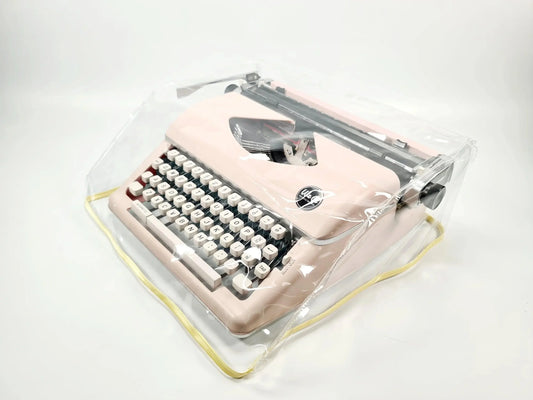
MEDIUM Transparent Typewriter Dust Cover for We'R Memory Keepers
Normaler Preis Von €52,00 EURNormaler Preis -
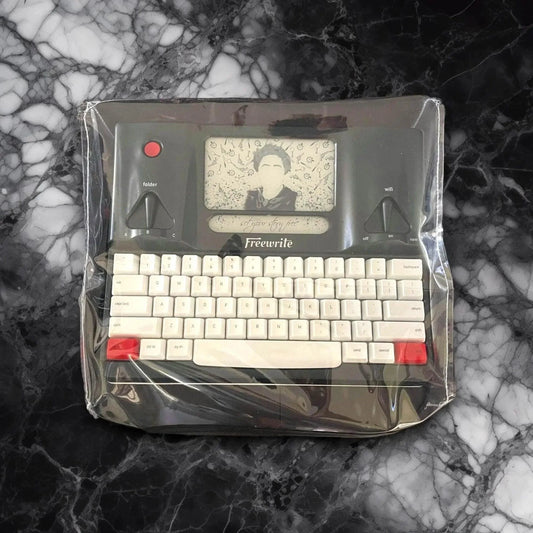
SMALL Transparent Typewriter Dust Cover for Freewrite Typewriter
Normaler Preis Von €45,00 EURNormaler Preis -
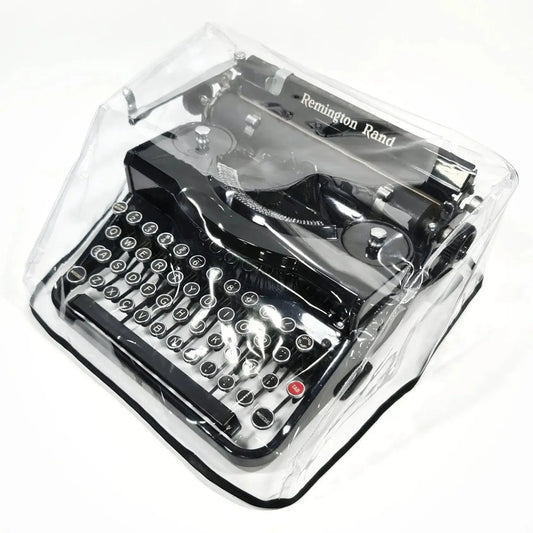
MEDIUM Typewriter Dust Cover for Remington, Transparent
Normaler Preis Von €52,00 EURNormaler Preis -
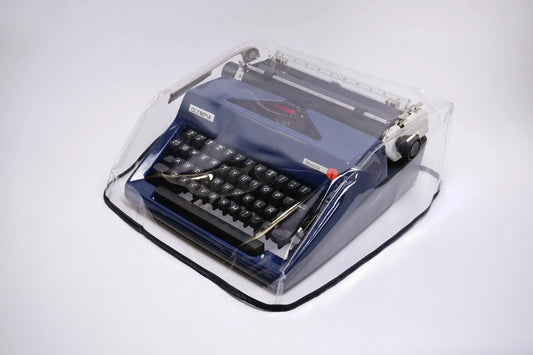
MEDIUM Typewriter Dust Cover for Olympia SM, Transparent
Normaler Preis Von €52,00 EURNormaler Preis -
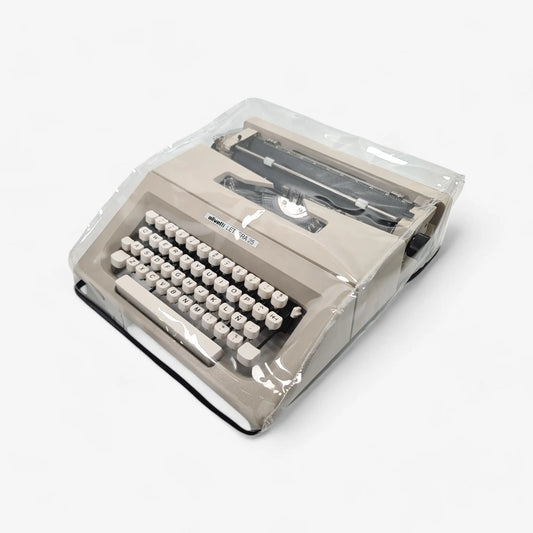
MEDIUM Typewriter Dust Cover for Olivetti Lettera 25 / College Clear
Normaler Preis Von €52,00 EURNormaler Preis -
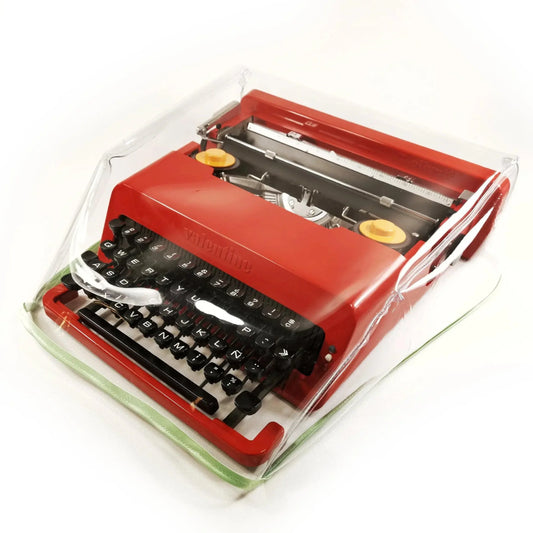
MEDIUM Transparent Dust Cover for Olivetti Valentine Typewriter
Normaler Preis Von €52,00 EURNormaler Preis -
MEDIUM Transparent Dust Cover for Royal P, A, O, Typewriter
Normaler Preis Von €52,00 EURNormaler Preis -
SMALL Transparent Typewriter Dust Cover for Smith Corona, Corsair
Normaler Preis Von €45,00 EURNormaler Preis -
MEDIUM Transparent Typewriter Dust Cover for Olympia SM 1 - 2 - 3 - 4 - 5
Normaler Preis Von €52,00 EURNormaler Preis -
MEDIUM Transparent Typewriter Dust Cover for Olympia Monica SM
Normaler Preis Von €52,00 EURNormaler Preis -
MEDIUM Transparent Typewriter Dust Cover for Olivetti Lettera 25
Normaler Preis Von €52,00 EURNormaler Preis -
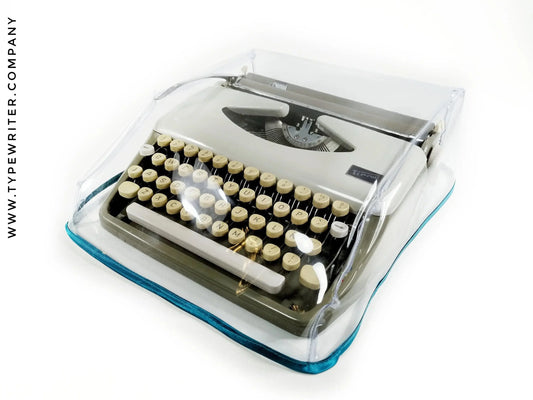
SMALL Typewriter Dust Cover for Adler/ Triumph Tippa, Transparent
Normaler Preis Von €45,00 EURNormaler Preis -
MEDIUM Typewriter Dust Cover for Olivetti MP1 / Ico Transparent
Normaler Preis Von €52,00 EURNormaler Preis

METAL SPOOLS - Original and Genuine
-
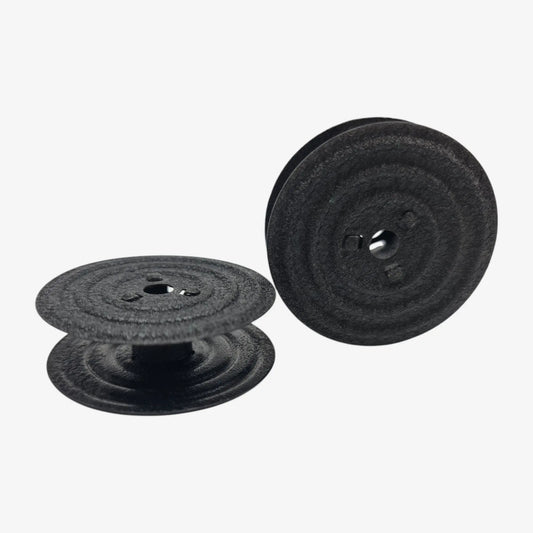
Original Vintage Black Metal Ribbon Spools for German Typewriters DIN 2103
Normaler Preis €45,00 EURNormaler Preis -
Universal Vintage Metal Ribbon Spools- German Typewriters DIN 2103
Normaler Preis €40,00 EURNormaler Preis -
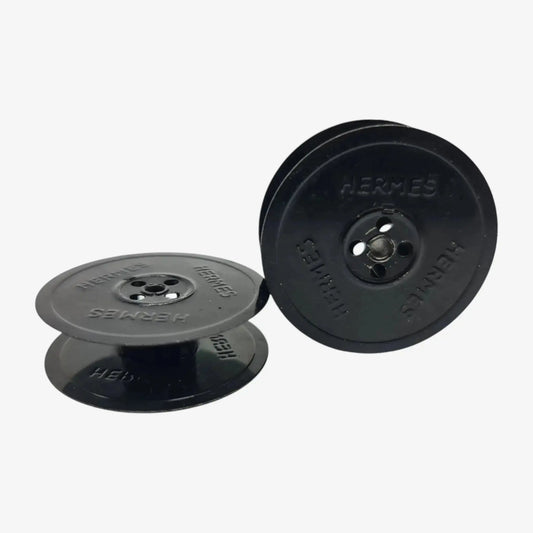
Original Vintage Black Metal Ribbon Spools for Hermes Typewriters
Normaler Preis €75,00 EURNormaler Preis -
Original Vintage Metal Ribbon Spools- Olivetti Studio 42/46 Typewriter
Normaler Preis €65,00 EURNormaler Preis
-
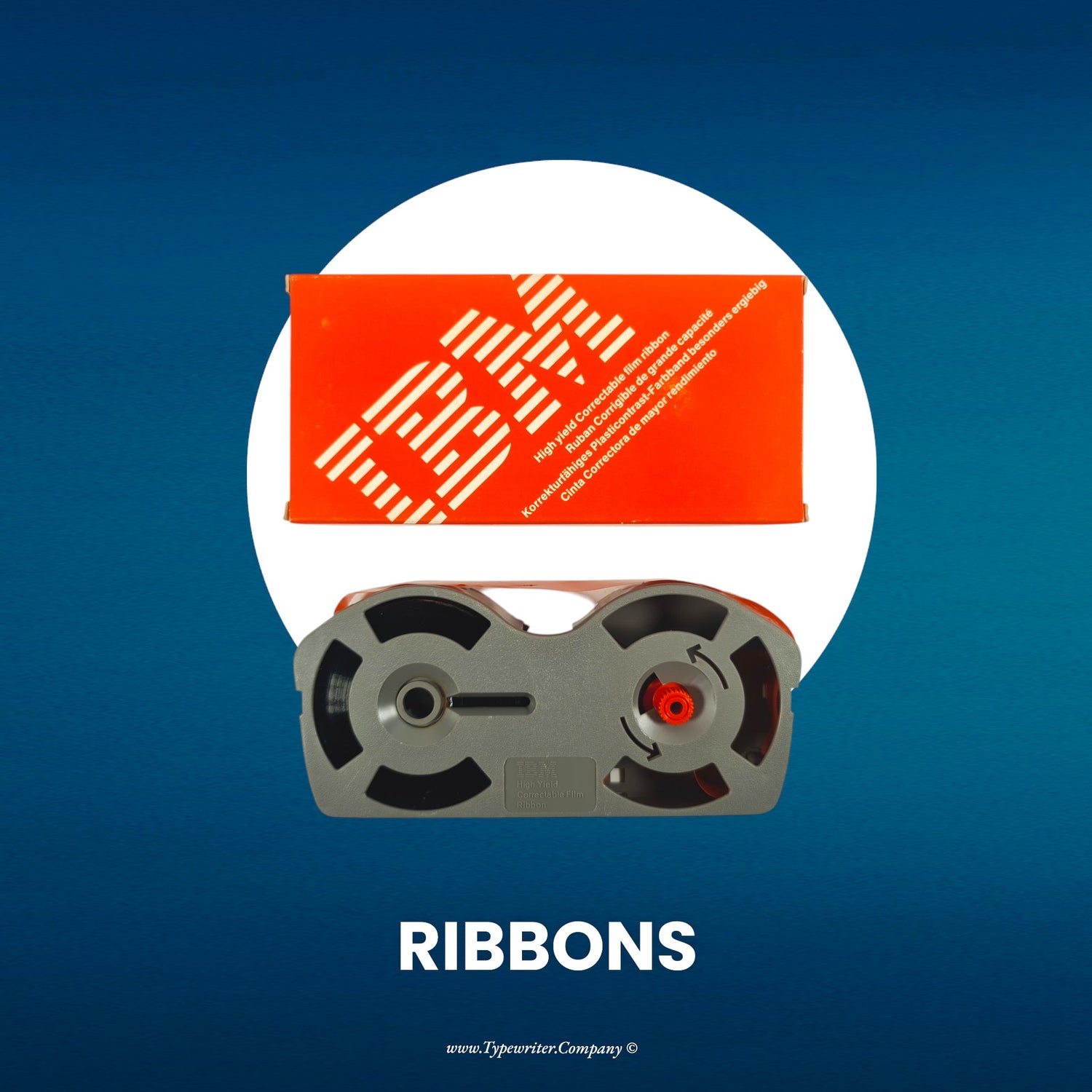
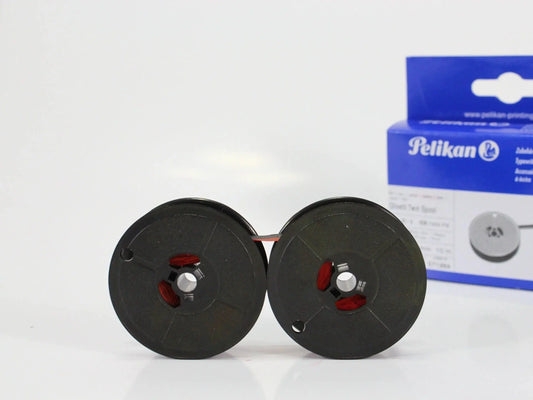
New Universal Typewriter Ink Ribbon for Olivetti Typewriter
Normaler Preis €13,00 EURNormaler Preis -
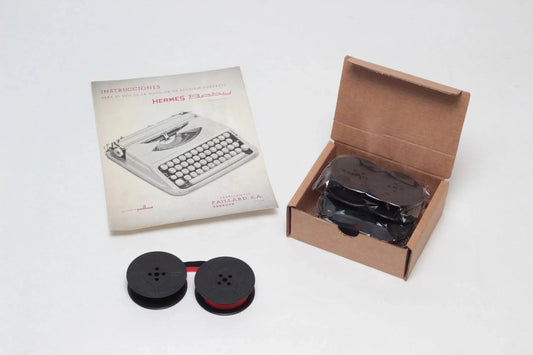
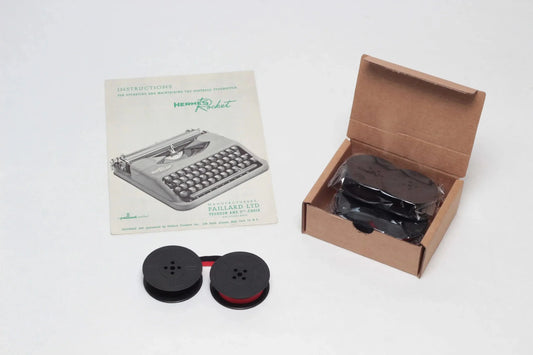
New Universal Typewriter Ink Ribbon for Hermes Baby/Rocket (1950s-60s)
Normaler Preis €13,00 EURNormaler Preis -
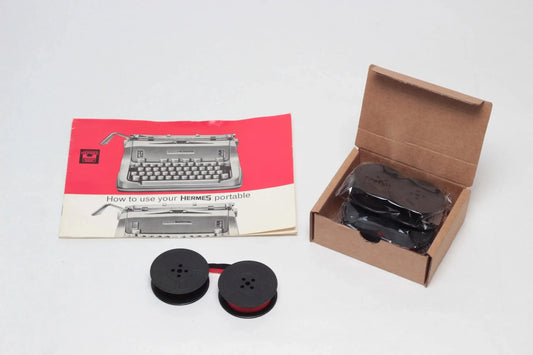
New Universal Typewriter Ink Ribbon for Hermes Typewriters
Normaler Preis €13,00 EURNormaler Preis -
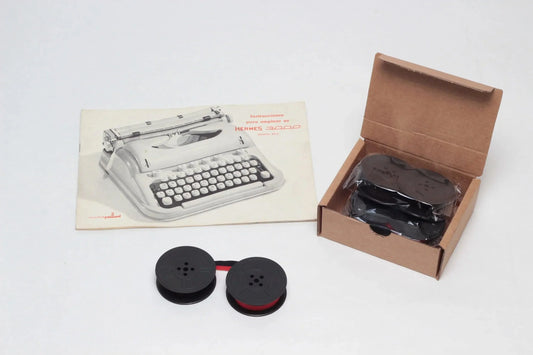
New Universal Typewriter Ink Ribbon for Hermes 3000 (round top)
Normaler Preis €13,00 EURNormaler Preis -
New Universal Typewriter Ink Ribbon for Olympia Typewriters - DIN 2103
Normaler Preis €13,00 EURNormaler Preis -
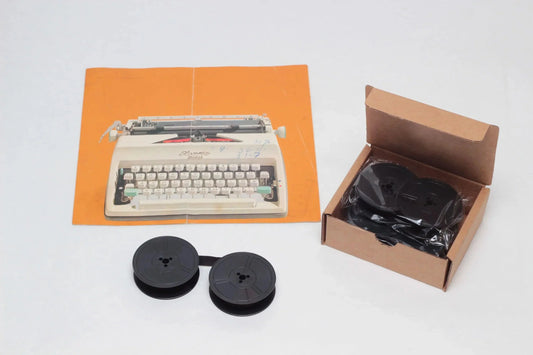
New Universal Ink Ribbon for Olympia Monica Typewriters
Normaler Preis €13,00 EURNormaler Preis -
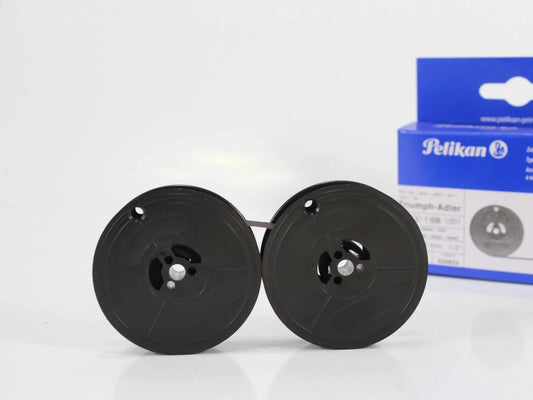
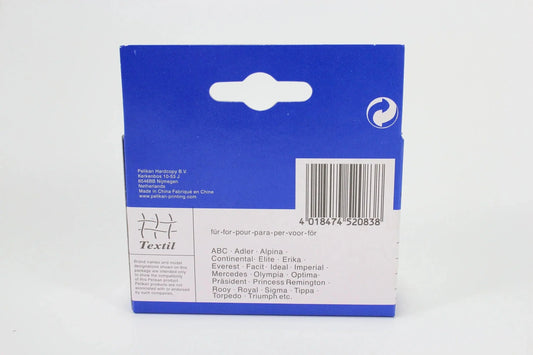
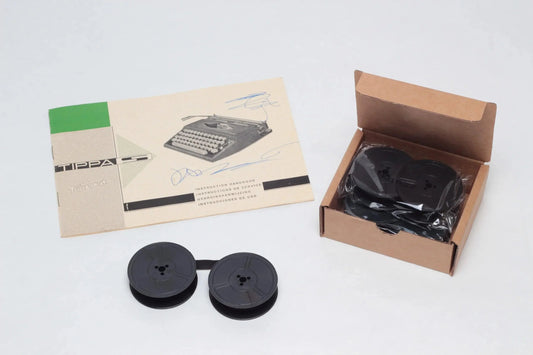
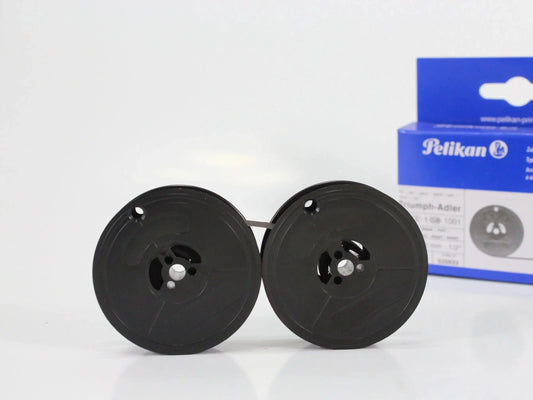
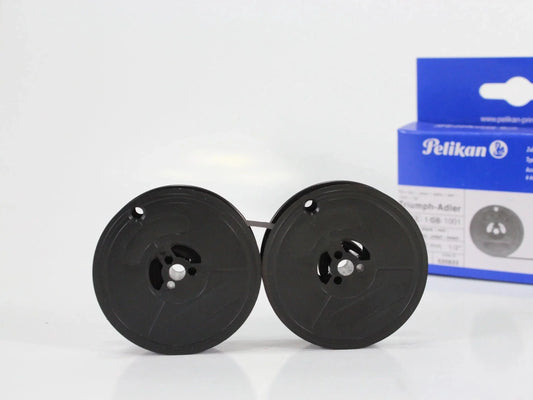
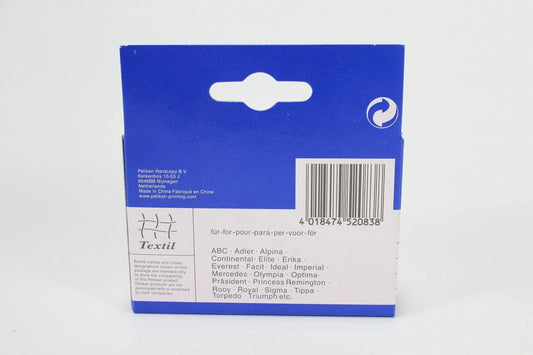
New Universal Ink Ribbon for Tippa / Adler / Triumph Typewriters
Normaler Preis €13,00 EURNormaler Preis -
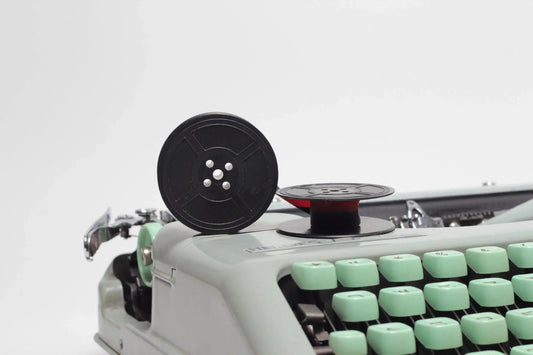
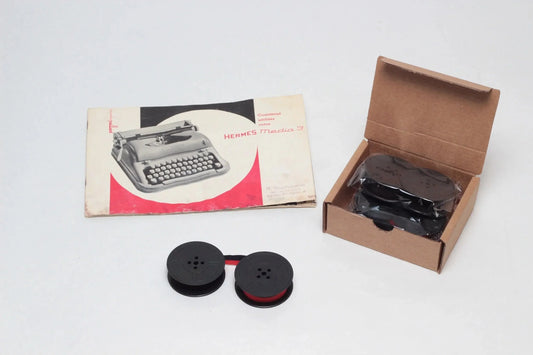
New Universal Typewriter Ink Ribbon for Hermes Media 3 (round top)
Normaler Preis €13,00 EURNormaler Preis -
New Universal Typewriter Ink Ribbon for Erika Typewriters - DIN 2103
Normaler Preis €13,00 EURNormaler Preis -
New Universal Typewriter Ink Ribbon for Adler Typewriters - DIN 2103
Normaler Preis €13,00 EURNormaler Preis -
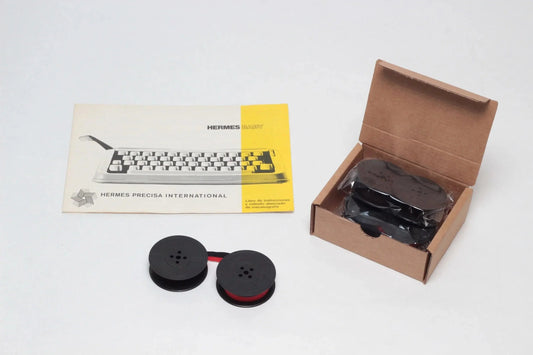
New Universal Typewriter Ink Ribbon for Hermes Rocket/Baby (1930s-50s editions)
Normaler Preis €13,00 EURNormaler Preis -
New Universal Typewriter Ink Ribbon for Hermes 3000 (square top)
Normaler Preis €13,00 EURNormaler Preis -
New Universal Typewriter Ink Ribbon for Hermes Baby (plastic 1970s)
Normaler Preis €13,00 EURNormaler Preis -
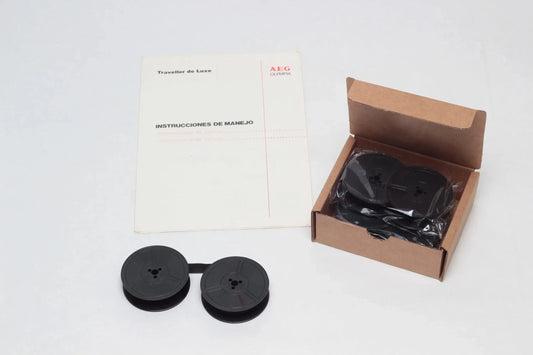
New Universal Ink Ribbon for Olympia Traveller / De Luxe Typewriters
Normaler Preis €13,00 EURNormaler Preis -
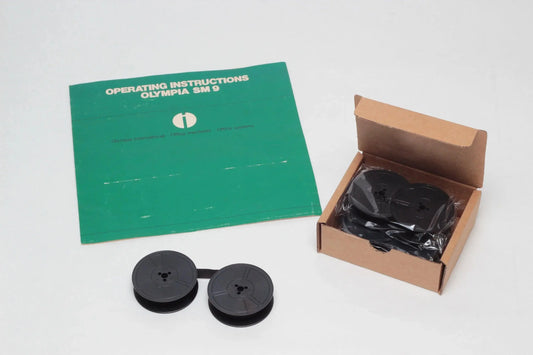
New Universal Ink Ribbon for Olympia SM9 Typewriters
Normaler Preis €13,00 EURNormaler Preis -
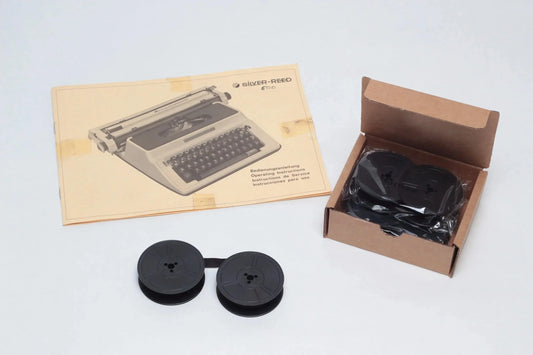
New Universal Ink Ribbon for Silver Reed, Silverette Typewriters
Normaler Preis €13,00 EURNormaler Preis -
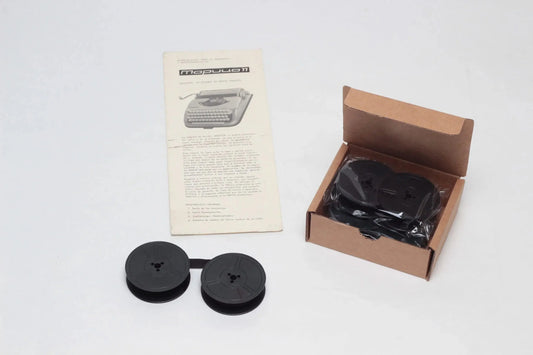
New Universal Ink Ribbon for Maritsa Typewriters
Normaler Preis €13,00 EURNormaler Preis -
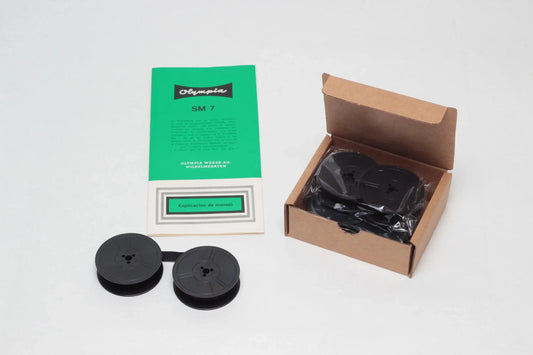
New Universal Ink Ribbon for Olympia SM7 Typewriters
Normaler Preis €13,00 EURNormaler Preis
-
Yellow Universal Metal Ribbon Spools for Typewriters
Normaler Preis €50,00 EURNormaler Preis -
Red/ Black Metal Universal Ribbon Spools for Typewriters
Normaler Preis €35,00 EURNormaler Preis -
Turquoise Metal Universal Ribbon Spools for Typewriters
Normaler Preis €50,00 EURNormaler Preis -
Navy Blue Metal Universal Ribbon Spools for Typewriters
Normaler Preis €50,00 EURNormaler Preis -
Burgundy Metal Universal Ribbon Spools for Typewriters
Normaler Preis €50,00 EURNormaler Preis -
Yellow Vintage Metal Ribbon Spools for Hermes Typewriters
Normaler Preis €65,00 EURNormaler Preis -
Red Silver Metal Ribbon Spools for Hermes Typewriters
Normaler Preis €120,00 EURNormaler Preis -
Chrome-Plated Silver Metal Ribbon Spools, German Typewriters, DIN 2103
Normaler Preis €110,00 EURNormaler Preis -
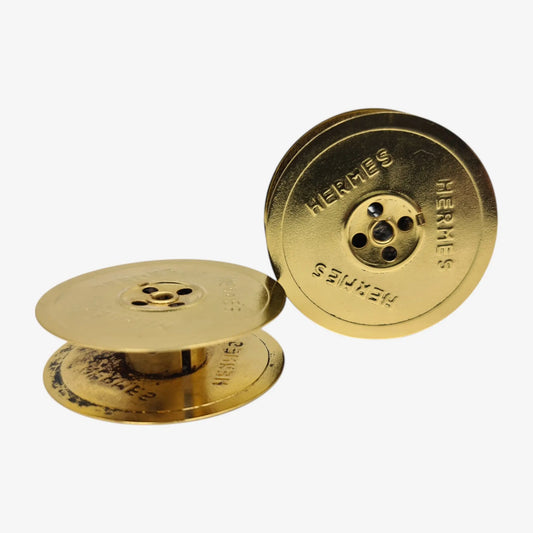
24K Gold-Plated Metal Ribbon Spools for Hermes Typewriters
Normaler Preis €150,00 EURNormaler Preis -
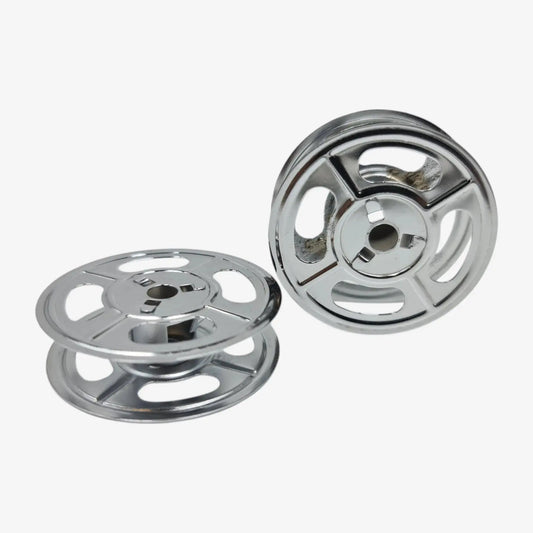
Chrome-Plated Silver Metal Universal Ribbon Spools for Typewriters
Normaler Preis €90,00 EURNormaler Preis -
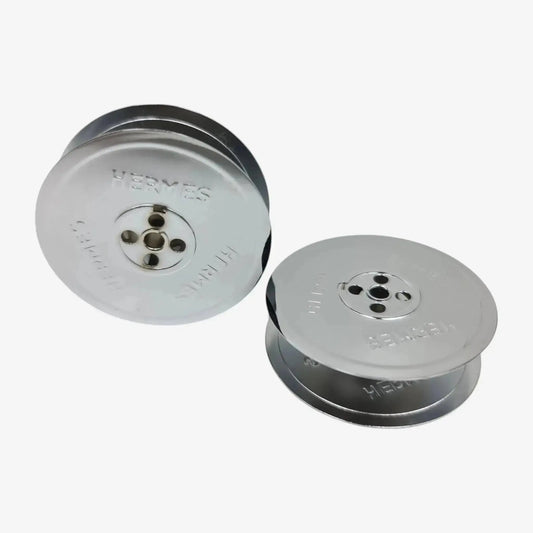
Chrome-Plated Silver Metal Ribbon Spools for Hermes Typewriters
Normaler Preis €125,00 EURNormaler Preis -
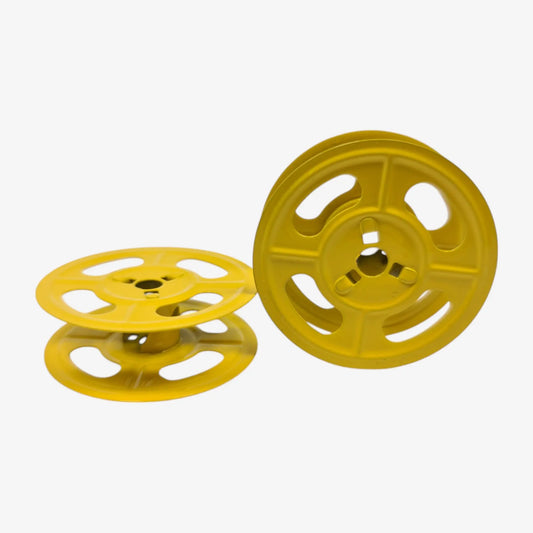
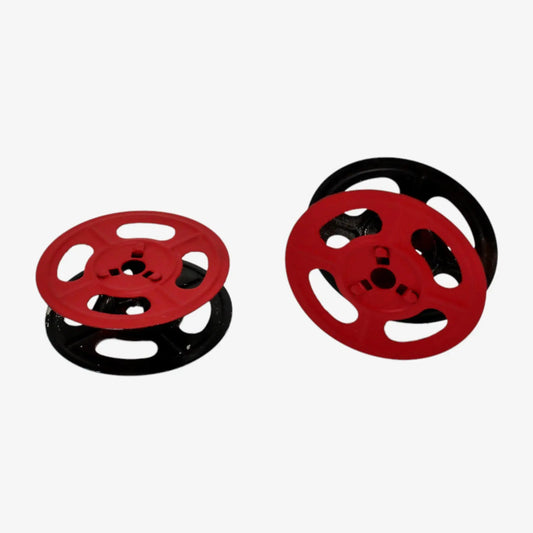
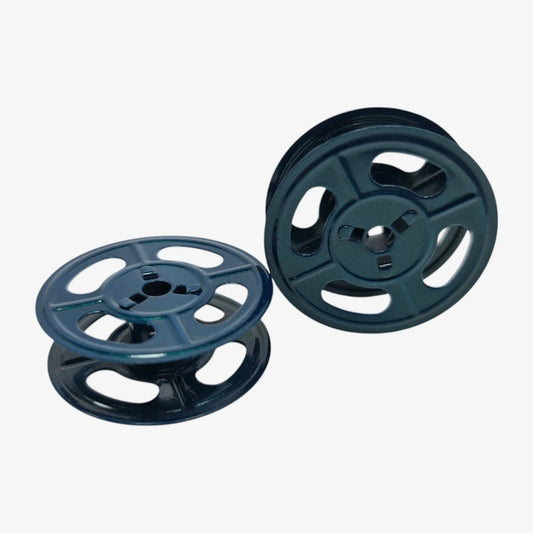
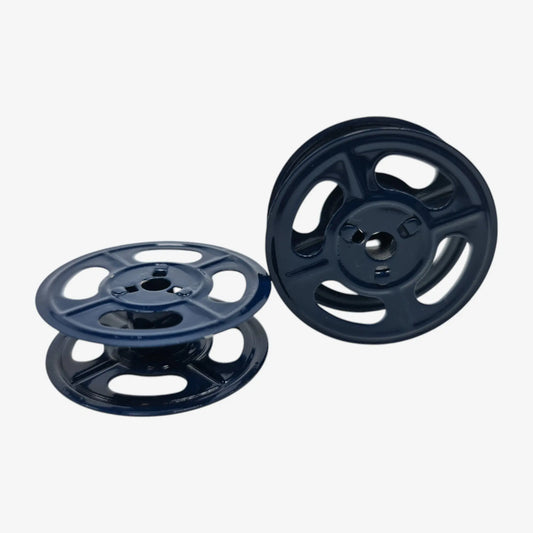
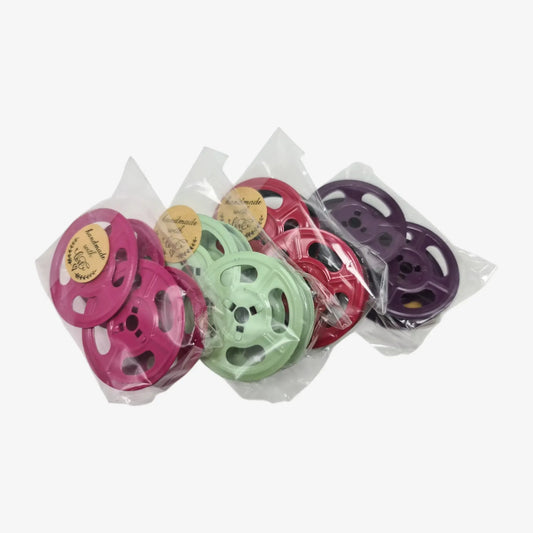
Vintage Custom Colour Typewriter Metal Spools, Typewriter Ink Ribbons
Normaler Preis €39,00 EURNormaler Preis
-
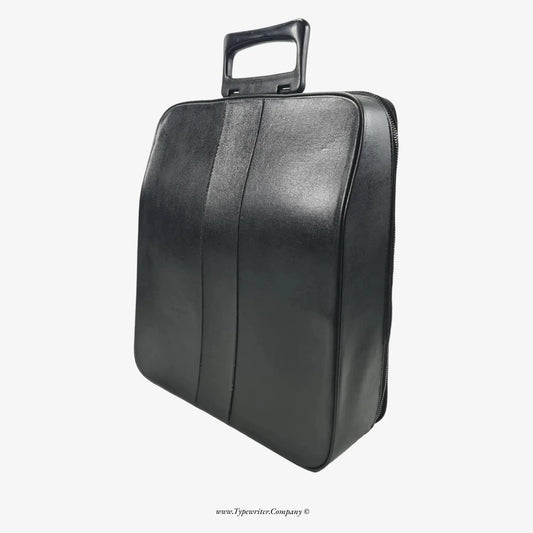
Original Olivetti Bag for Lettera DL, 22, 25, 31, 32, Typewriter Bag
Normaler Preis €120,00 EURNormaler Preis -
Olivetti Typewriter Case for Lettera/Pluma 22, Lettera 32, Black
Normaler Preis €240,00 EURNormaler Preis -
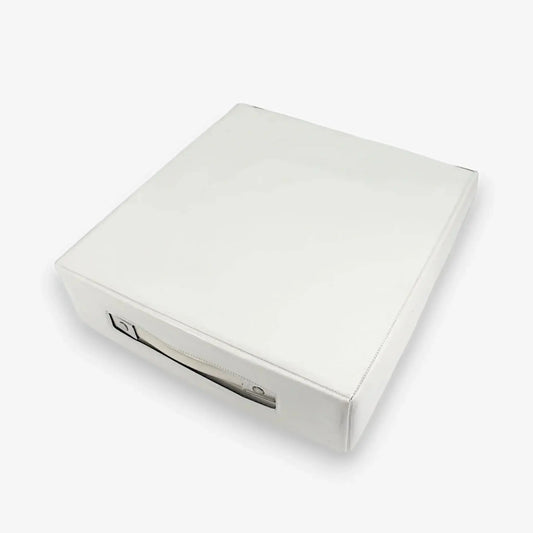
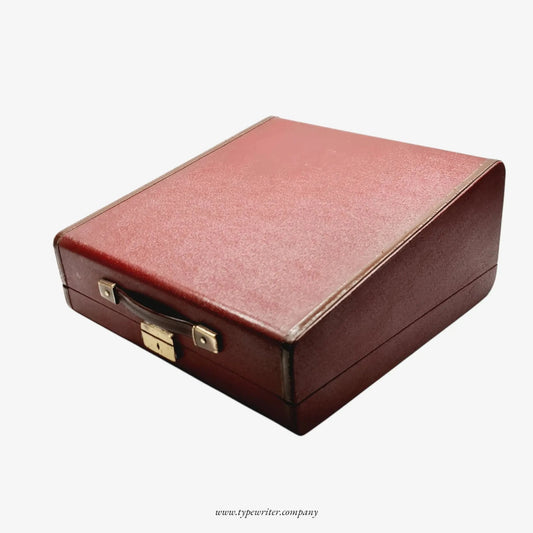
Typewriter Case for Small-Sized Olivetti Olympia Hermes Tippa Brother
Normaler Preis €130,00 EURNormaler Preis -
Typewriter Case for Small-Sized Olivetti Olympia Hermes Tippa Brother
Normaler Preis €100,00 EURNormaler Preis -
Original Olivetti Case for Studio 44 typewriter, refurbished
Normaler Preis €300,00 EURNormaler Preis -
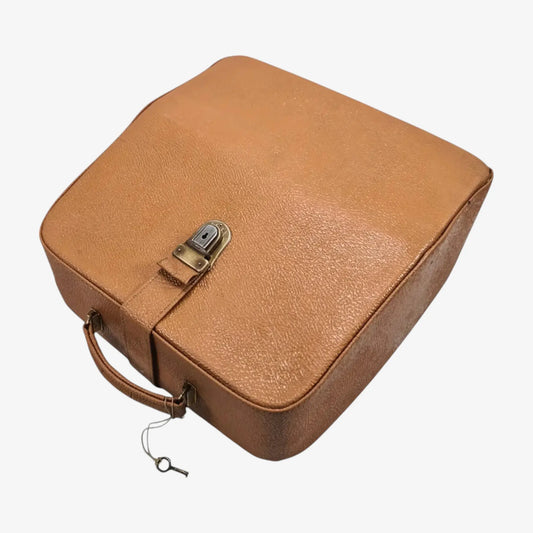
SOLD! Original Leather Case for Erika 10, Typewriter Case with a Key
Normaler Preis €0,00 EURNormaler Preis -
Olivetti Lettera 22 / Pluma 22 Bag with Custom Handle - Vintage suitcase
Normaler Preis €250,00 EURNormaler Preis -
Vintage Leather Carrying Case for Gossen Tippa – Original / Compatible Bag
Normaler Preis €190,00 EURNormaler Preis -
Black Case for Hermes Baby/ Rocket Typewriter, Refurbished
Normaler Preis €190,00 EURNormaler Preis€0,00 EURVerkaufspreis €190,00 EUR -
Original Greenish Gray Hard Case for Hermes 3000 Typewriter
Normaler Preis €200,00 EURNormaler Preis -
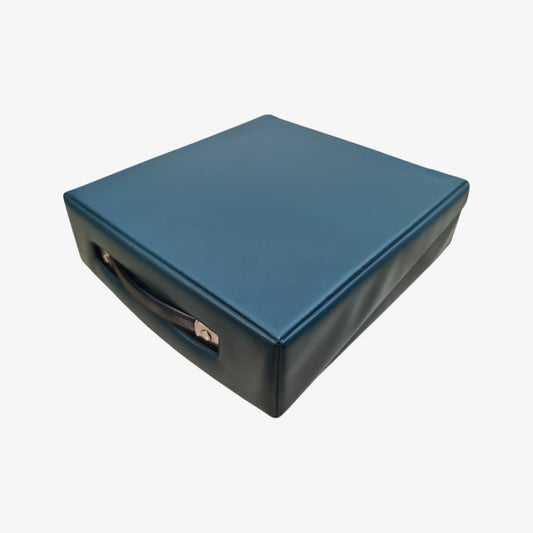
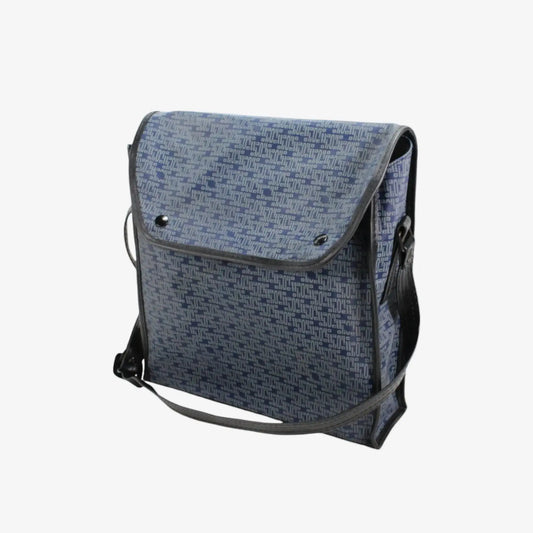
Original Blue Olivetti Bag for Lettera DL, 22, 25, 31, 32, Typewriter Bag
Normaler Preis €120,00 EURNormaler Preis -
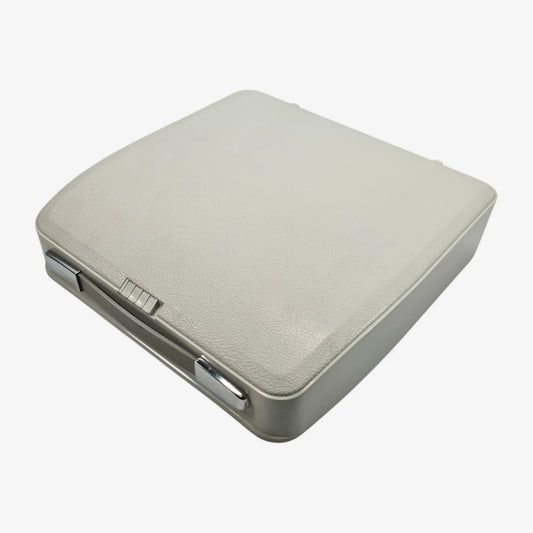
Original Light Gray Hard Case for Hermes Baby, Typewriter Case
Normaler Preis €120,00 EURNormaler Preis -
PRE-ORDER Original Wooden Black Case for Erika 10, Typewriter Case
Normaler Preis €250,00 EURNormaler Preis -
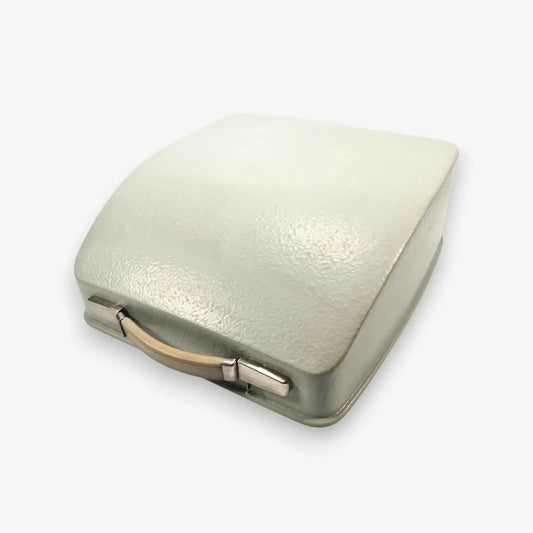
Original Greenish Gray Hard Case for Hermes Baby, Typewriter Case
Normaler Preis €150,00 EURNormaler Preis -
Original Olivetti Typewriter Case for Lettera/Pluma 22, Lettera 32
Normaler Preis €240,00 EURNormaler Preis -
Original Olivetti Typewriter Bag, Lettera 22 / 25 / 31 / 32, etc.
Normaler Preis €130,00 EURNormaler Preis -
Original Hard Case for Olivetti Studio 45, Typewriter Case
Normaler Preis €195,00 EURNormaler Preis



Just Starting Out?
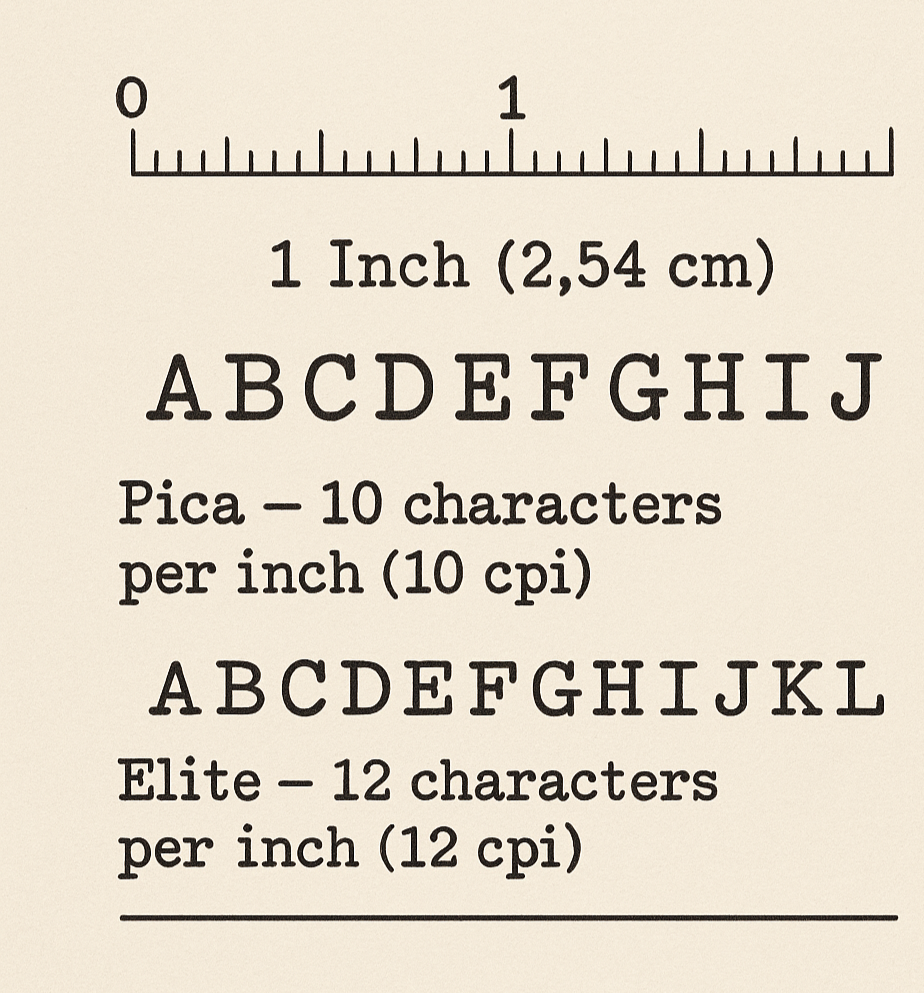
Typewriters use fixed-size fonts, meaning each letter takes up the same space on the page. The two most common sizes are:
- Pica – 10 characters per inch (10 cpi)
- Elite – usually 12 characters per inch (12 cpi), though sometimes you’ll find variations like 11 cpi
So what’s the difference?
Elite is a little smaller and more compact, while
Pica is wider and easier to read.
When choosing your typewriter, think about the feel of your pages:
Do you want a clean, efficient look? Try Elite.
Prefer something bold and classic? Go with Pica.
Meet Our Team

Jacek
Co-Founder
Restorer, storyteller, and keeper of Olivetti lore.
Founder of El Granero Typewriter Company, Jacek combines technical mastery with creative vision. From his Costa del Sol workshop, he restores vintage typewriters with meticulous care, ensuring each machine not only types flawlessly but carries its original soul into the hands of writers and dreamers worldwide.

Ania
Co-Founder
Client whisperer, and guardian of vintage charm.
Co-founder of El Granero Typewriter Company, Ania is the heart of the workshop. For over a decade she has guided clients with care, transforming restored typewriters into personal treasures. Customers praise not just the beauty of her machines, but the warmth and thoughtfulness that come with every delivery.
Let customers speak for us

Ania has been super helpful right from the start. She provided a wealth of information on typewriters, answering all my queries with patience.
The packaging for the shipping was super secure. I highly recommend The Typerwriter Company!

Great design, perfect function. Looked a while for this one and am happy now to write on it. Inspires me. Thanks to the work of typewriter/co.! Meinrad Braun

We. Are. Obsessed! The customer service, the extra care and thought put into it because it was a surprise/gift was unexpected. Not only that, it came very well packaged, and with a manual copy and everything! We love it so very much, thank you thank you! Now we just need to figure out a name for it <3

My Olivetti typewriter was delayed in shipping (through no fault of the seller) but when it arrived it was expertly packaged for shipping and arrived in excellent condition. When I contacted the seller about the delay in its arrival, the customer service immediately contacted the shipper and they were able to give me an updated estimate on the arrival date.
The typewriter is beautiful and fun to use.

One of the most amazing sellers I have ever worked with they packaged amazingly and made it so special for my wife birthday thank you so much would recommend to anyone looking for an amazing seller

This is an absolutely stunning typewriter! It is in excellent condition, and the sellers included a Tolkien quote and a cute typewriter pin! It comes with an instruction manual, which was helpful as this is my first typewriter.
The shipping to the USA took approximately 1.5 months longer than predicted. I don't blame the sellers for this, as they posted the typewriter in the post VERY quickly. The wait was worth it. Fortunately this typewriter just for personal use - if purchased as a gift, buy VERY early.
The only bummer was the installed typewriter ribbon being almost completely dried out - I purchased a new typewriter ribbon today but am sad that I can't use my typewriter until it arrives.
The sellers are AMAZING. They have been very helpful and kind. This is the only shop I'd consider for purchasing a typewriter.

Anita and Jacek were determined to make sure the typewriter arrived safely, and they took the time to call and troubleshoot some shilling issues. When the typewriter finally arrived, it was everything I hoped it would be. It was in beautiful condition and worked like a dream. I can't wait to get full use out of it!

This typewriter is absolutely amazing and it was immaculately packed. There were some issues with fed ex but it was nothing to do with the seller. The sellers are very kind and patient and had no problems accommodating me and kept me updated all of the way!

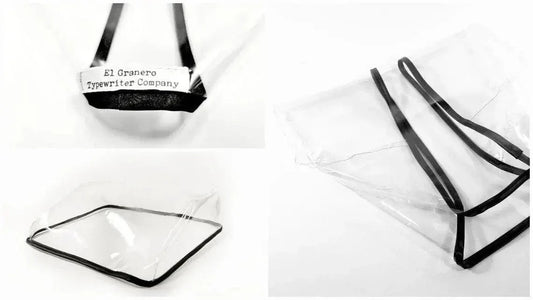
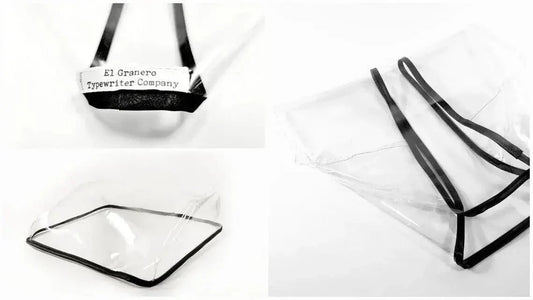
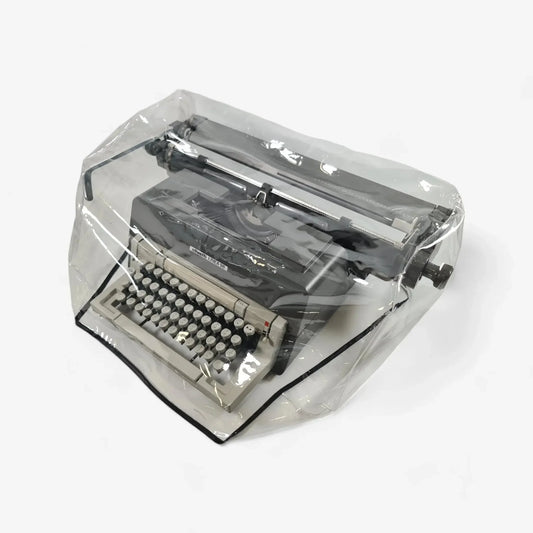
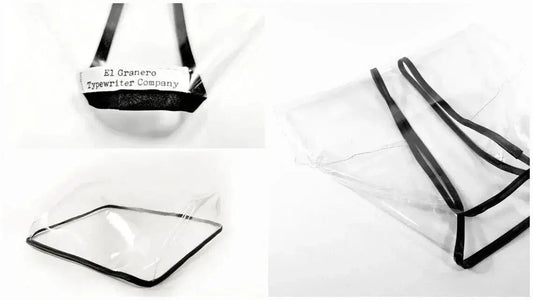
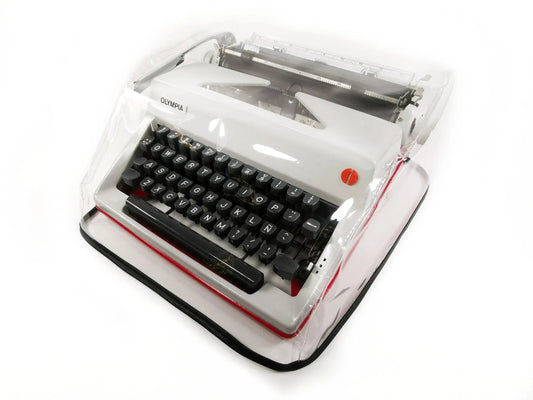
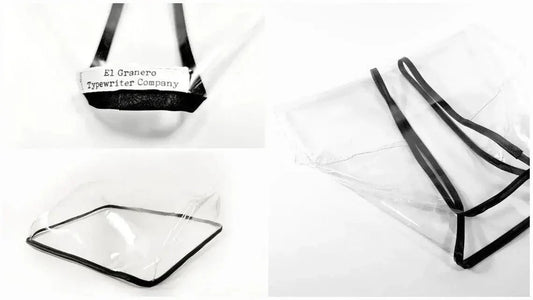
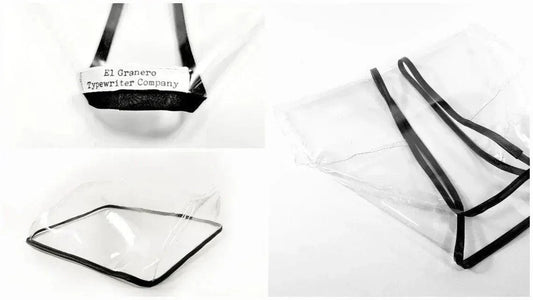
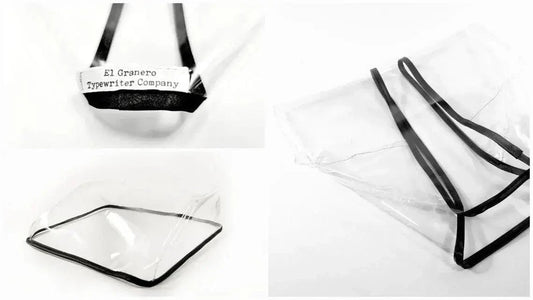
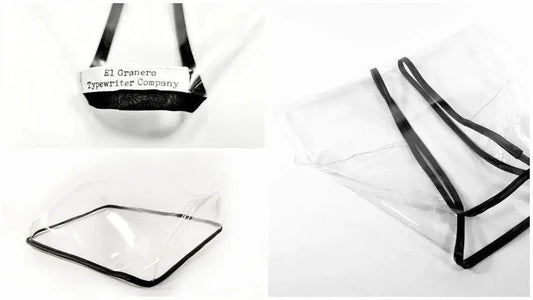
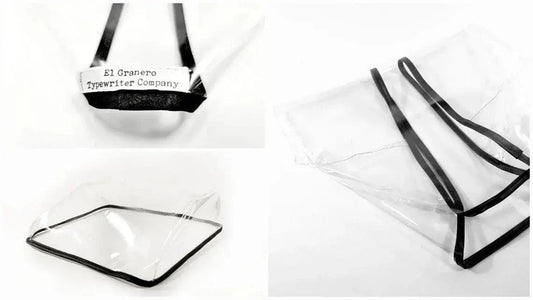
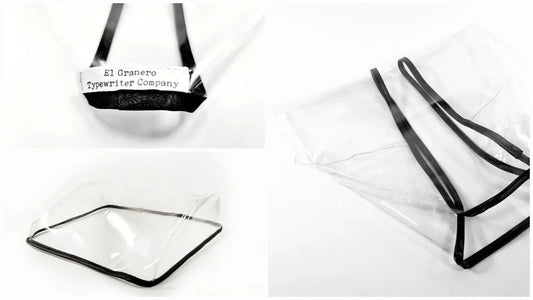
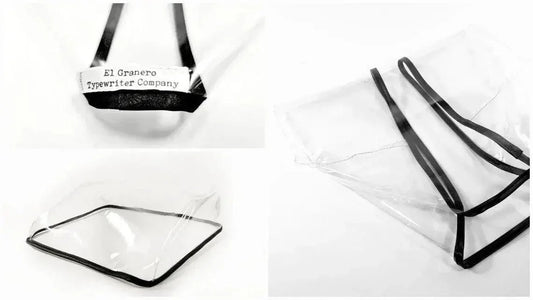
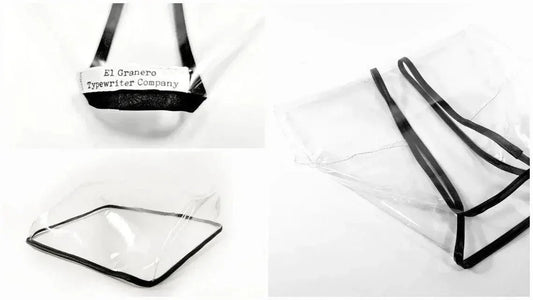
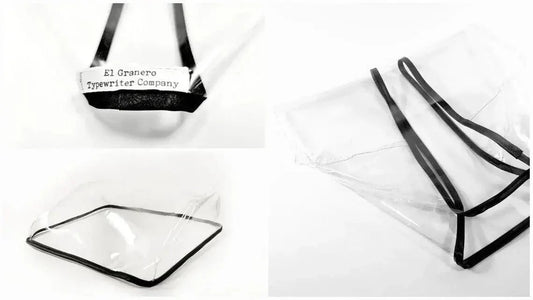
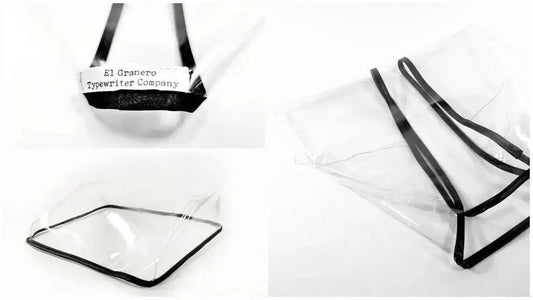
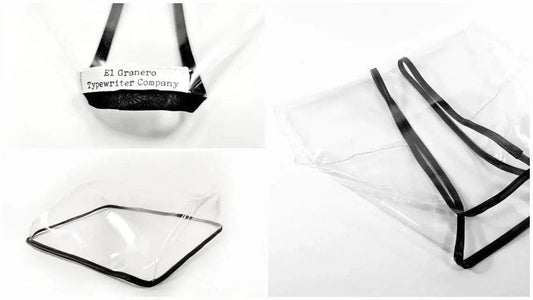
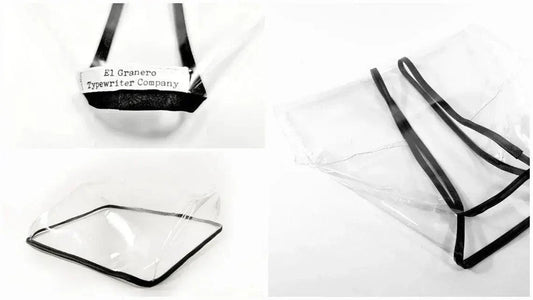
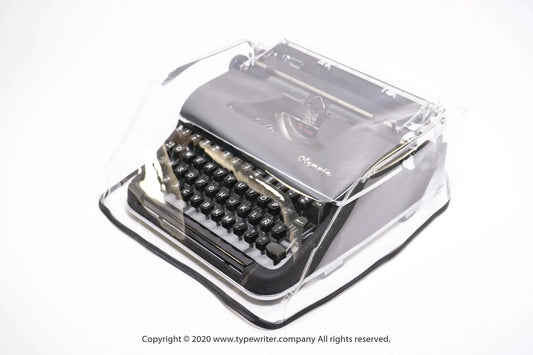
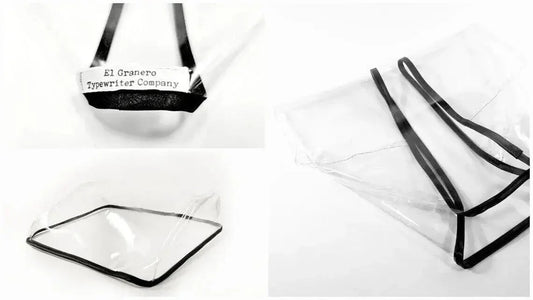
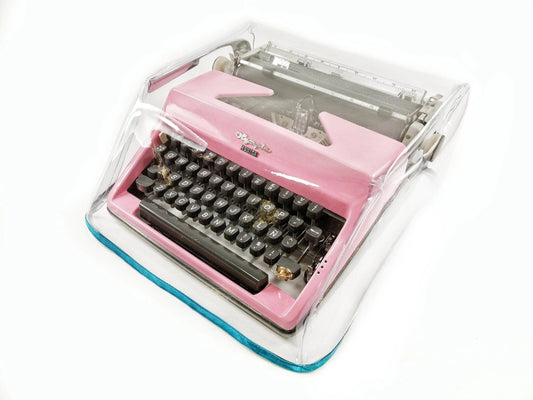
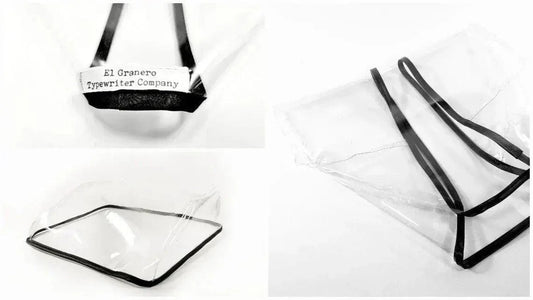
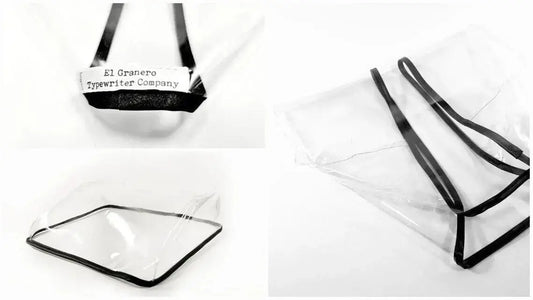
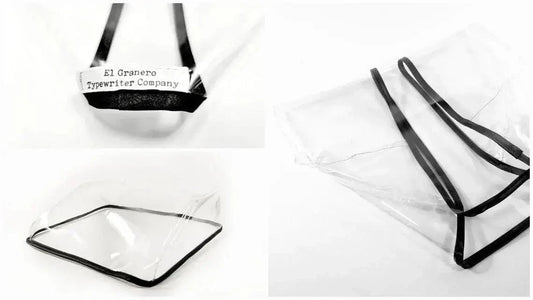
Great for my IBM Selectric Model 72 on my desk. Keeps it dust free while displaying it beautifully, perfectly clear heavy duty vinyl, nicely stitched seams with a black bottom border, very high quality!

This is my first Hermes Baby, It is in good condition it is clean and pretty ! really an ultraportable one ,ready to use .Thanks to Ania of El Granero for keeping track of the shipment ,for packing it securely and giving an additonal extra touch of wrapping in time for Christmas .I really appreciate it .Of course for the wonderful cute typweriter Pin and dust cover freebies ! 😍😍
I have always wanted a good typewriter in my adult life, and I have found one. The quality of the typewriter is superb. You wouldn't think it had been reconditioned. I am over the moon with it. If I should ever need another I shall definitely be shopping here.

I received my yellow Olympia Monica typewriter this week and I have to say I was very pleasantly surprised with the quality of the work of El Granero. The machine was perfectly packed and it arrived in perfect condition after its long trip from Malaga, Spain to Georgia in the US.
The machine looks almost brand new and it works flawlessly, which is amazing considering it is more than 50 years old.
I would definitely buy from El Granero again, and I will highly recommend them to anyone looking to purchase a vintage typewriter.
Thank you, Ania and Jacek for the amazing work you do!

The typewriter came in amazing packaging to ensure as much care during the shipping process as possible. A few issues with shipping occurred, but Ania was always so helpful and went above and beyond to fix the issue. I am very happy with my purchase and would buy from Ania and Jacek again!

Type writer is beautiful and arrived after nearly 2 months. If you're looking to purchase it asap, do not expect it to arrive quickly as it does get cleaned and refurbished first, then it gets sent out. Also, due to it being summer, delivery services are slower. Sellers were kind and kept me updated throughout the process. It is definitely one of those situations where you ask, 'Is it worth the wait?' It makes a great addition to my room.
This review has no content.
Why Typewriters?
Typewriters slow us down—in the best way. They invite us to focus, to feel, and to create without distraction.
Every keystroke is a commitment. Every page, a relic of intention. The typewriter speaks to your spirit and unlocks a new chapter of your creative journey.
Get inspired, read some stories - Blog
Are You New to Typewriters?
Let's start! Typewriters offer a kind of “digital detox.” Whether you're journaling, writing letters, or just enjoying the clack of the keys, they bring a sense of presence to the page and celebrate the quiet ritual of writing. If you're just beginning your journey, check out our Typewriter Buying Guide to find the model that matches your style. For direct assistance, our support team is always happy to help—reach us via live chat, WhatsApp, email, phone, or through our online Chat & FAQ tool.
What’s the story behind our brand?
Welcome to El Granero Typewriter Company - Europe’s premier destination for vintage typewriters! Tucked away in the sun-drenched heart of Southern Spain near Málaga, we are proud to be the continent’s largest brick-and-mortar typewriter shop. Since 2013, our passion has been bringing history back to life through the meticulous restoration, repair, and sale of vintage typewriters. Our showroom features an extensive collection of expertly curated machines from legendary brands like Olivetti, Hermes, Olympia, Erika, Royal, Remington, and Underwood. Whether you're a seasoned collector or a first-time enthusiast, we’re here to help you find a typewriter with soul.
Read our story here
What services do we offer in our shop?
Beautifully Restored Typewriters
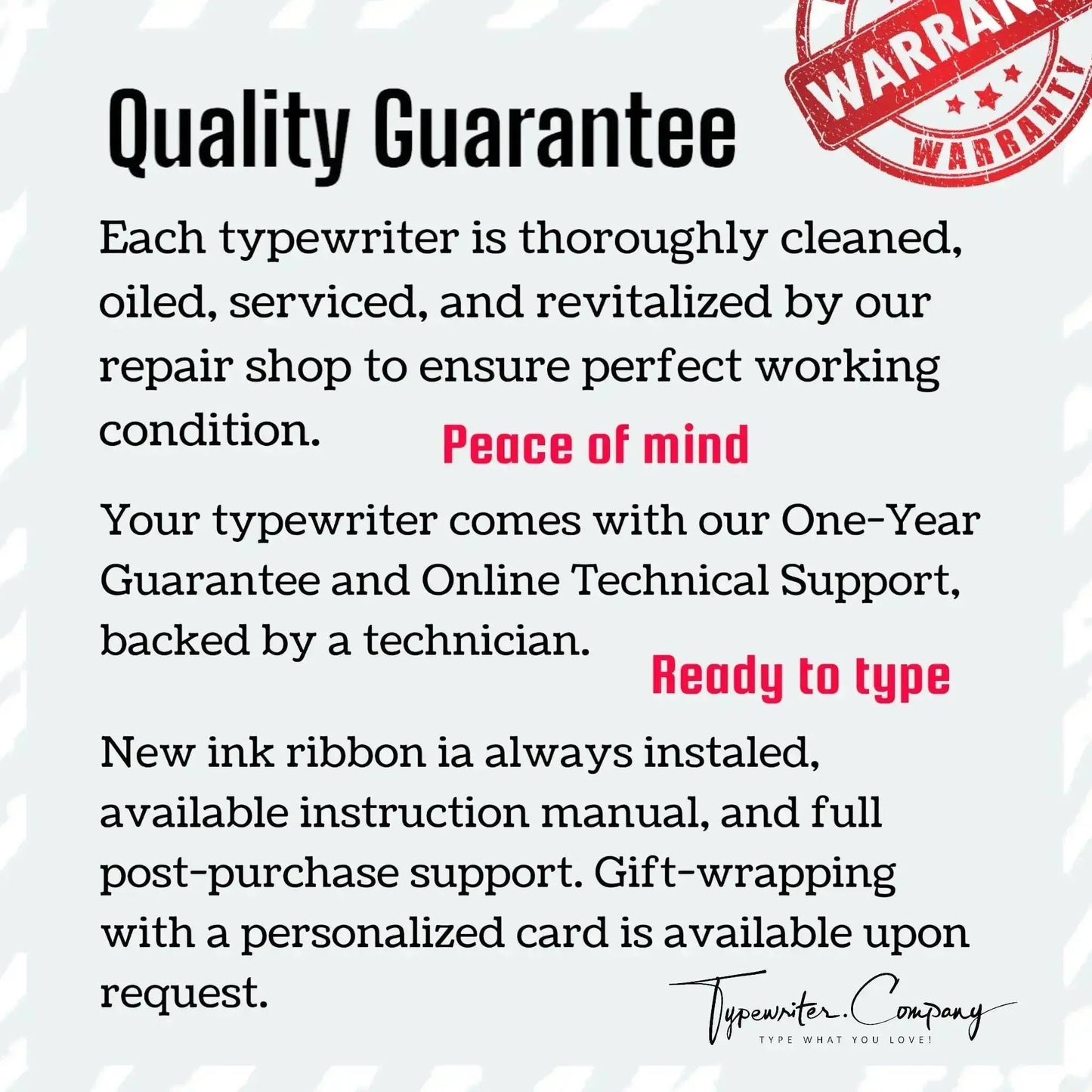
We offer fully serviced vintage and classic typewriters that are ready to use and backed by a warranty. Whether you're buying your first machine or adding to your collection, you'll find something special.
→ Shop here
Repairs and Restoration
From quick tune-ups to full restorations, we repair all major brands using original parts whenever possible.
→ Check services
Online Support
Book a 30-minute video session with one of our technicians for help and maintenance advice. A free session is included with every purchase.
→ Book your session
Typewriter Rentals
Need a typewriter for an event, film, or photoshoot? We offer authentic vintage rentals with flexible terms and careful shipping.
→ Rent a typewriter
Accessories and Parts
From ribbons to vintage ads, we stock everything you need to keep your machine running and looking its best.
→ Find accessories
Why we bring old typewriters back to life?
Every typewriter we restore gets the care and attention it deserves - because these machines aren’t just tools, they’re tiny time capsules.

How We Restore Typewriters
We start by giving each one a full inspection, inside and out. Our team carefully cleans away years of dust, rust, old grease, and forgotten crumbs from between the keys (you’d be surprised). If parts are damaged or worn, like hardened platens, missing feet, or tired springs, we replace them with high-quality originals or new equivalents. We also repair or swap out broken keys, gears, or levers to make sure everything works like a charm.
Once the mechanics are in top shape, we turn our attention to looks. Some machines get subtle touch-ups to preserve their vintage character, while others get a full repaint and fresh decals for a like-new finish.
Finally, we test every key, ribbon, and carriage to make sure everything is running smoothly. Our goal? A typewriter that’s beautiful, functional, and ready to tell its next story.
Curious to see the full restoration process in action? [Click here to read more.]
New Blog Posts
-

Who Invented the First Typewriter and Why It Ma...
Long ago, in Milwaukee, Wisconsin, lived a curious inventor named Christopher Latham Sholes (born 1819). He started as a printer and newspaper editor, and he loved inventing machines.
Who Invented the First Typewriter and Why It Ma...
Long ago, in Milwaukee, Wisconsin, lived a curious inventor named Christopher Latham Sholes (born 1819). He started as a printer and newspaper editor, and he loved inventing machines.

"Imagine a world where every letter finds its destination, every novel turns its final page, and every poem reaches the soul it was meant for. In this world, storytellers, dreamers, poets, lovers, and travellers are inspired by the timeless charm of typewriters, machines that turn words into art, weaving ink, intention, and the beauty of the written word into every line." Read More
Alle anzeigen-

The First Typewriter: A Beginner’s Guide
In an age dominated by digital devices, the tactile experience of typing on a manual machine offers a refreshing return to the roots of writing. Whether you're penning heartfelt letters,...
The First Typewriter: A Beginner’s Guide
In an age dominated by digital devices, the tactile experience of typing on a manual machine offers a refreshing return to the roots of writing. Whether you're penning heartfelt letters,...
-

Decoding Typewriter Prices - What You Need to Know
Decoding Typewriter Prices - What You Need to Know Evaluating a Typewriter Price Based on Services When assessing the price of a typewriter, it's crucial to consider the level of...
Decoding Typewriter Prices - What You Need to Know
Decoding Typewriter Prices - What You Need to Know Evaluating a Typewriter Price Based on Services When assessing the price of a typewriter, it's crucial to consider the level of...
-

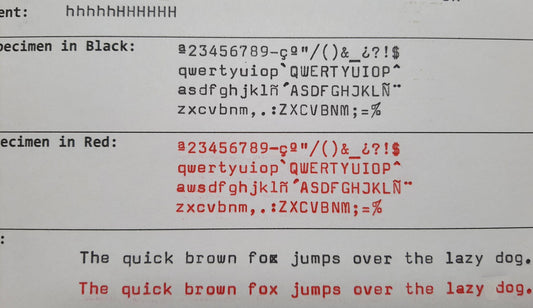
The Spanish QWERTY (Ñ) Keyboard Layout
What makes the QWERTY Spanish layout unique, how it compares to the standard QWERTY keyboard, and why it's an essential tool if you’re typing in both Spanish and English.
The Spanish QWERTY (Ñ) Keyboard Layout
What makes the QWERTY Spanish layout unique, how it compares to the standard QWERTY keyboard, and why it's an essential tool if you’re typing in both Spanish and English.



Ready to Start Writing?
Sit down with your typewriter and a blank page. Choose one small thing, a memory, a word, a question. Now write. Don’t pause. Don’t edit. Don’t aim for perfect. Just let the words spill out for five minutes. This is how stories begin, not with polish, but with courage.Type first. Edit later. Let your story breathe before you shape it. A typewriter has no delete key, just like life. Every word matters.